Welcome to
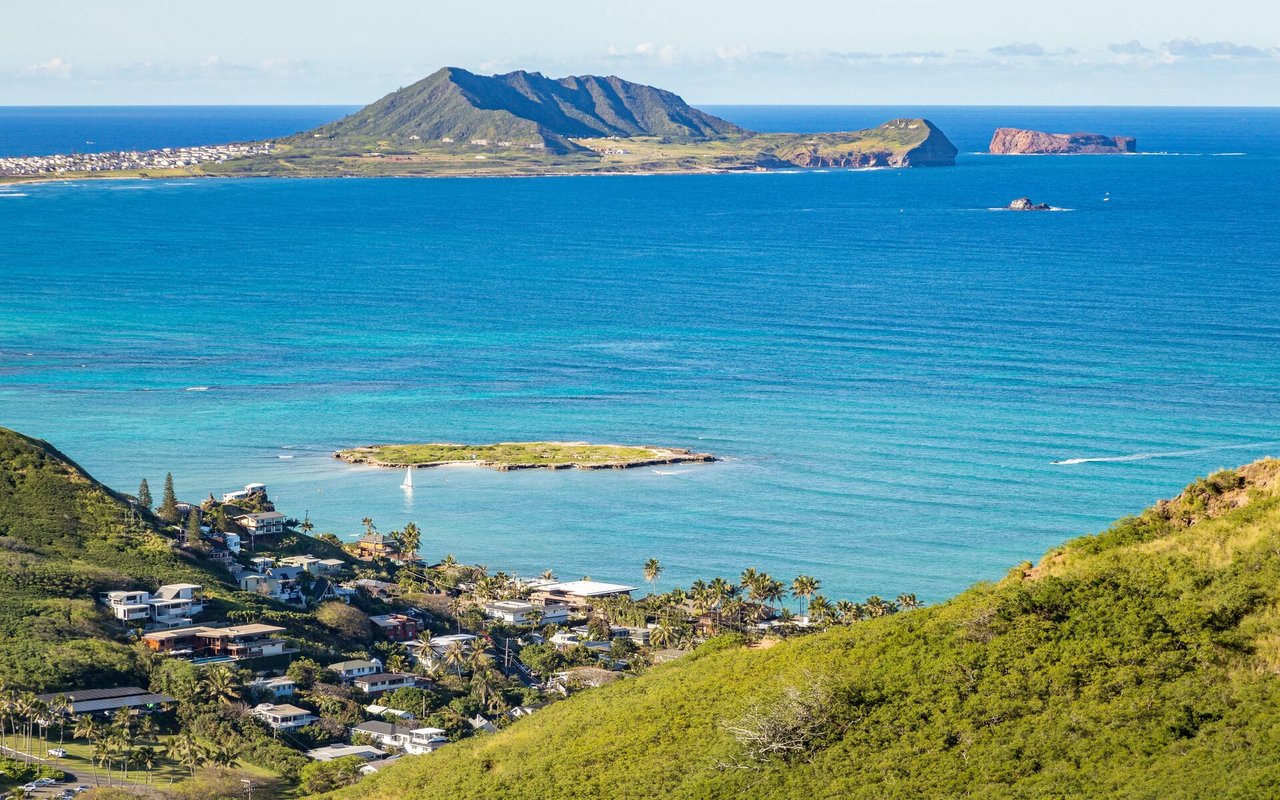
Kailua is a coastal town on O‘ahu’s Windward side known for its beaches, open space, and relaxed pace of life. Located just over the Pali Highway, it offers a quieter, more residential setting while still being within a reasonable drive of Downtown Honolulu. The town is defined by its connection to the ocean, surrounding mountains, and a strong sense of community that has helped preserve its local character over time.
Life in Kailua is shaped by the outdoors. Beach walks, water activities, and time spent outside are part of daily routines, and the steady trade winds keep the area comfortable year-round. The town center is compact and walkable, giving residents easy access to everyday essentials without the congestion of larger urban areas. Kailua has long been valued for its balance of convenience and calm.
Homes in Kailua are predominantly single-family residences, with limited townhome and condo inventory. Many properties sit on larger lots compared to more densely built parts of O‘ahu, contributing to the area’s open, low-rise feel. Architectural styles vary, ranging from older plantation-style homes and mid-century designs to newer builds that emphasize privacy and indoor-outdoor living. Distinct sub-areas such as Lanikai, Kalama Tract, Enchanted Lake, and Keolu Hills offer a range of settings, from beachfront and waterfront homes to elevated neighborhoods with mountain or ocean views.
Kailua’s beaches are among its most recognizable features. Wide sandy shorelines and generally calm waters make the area ideal for activities like kayaking, stand-up paddling, swimming, and morning exercise along the shore. Beyond the beach, residents enjoy nearby hiking trails, bike-friendly streets, and parks that support an active, outdoor-focused lifestyle.
Kailua Town serves as the neighborhood’s social and commercial hub. It is home to a mix of locally owned restaurants, cafés, boutiques, and service providers, creating a town center that feels personal and community-oriented. Grocery stores, fitness studios, schools, and medical offices are all close by, making daily errands simple and efficient.
The community places a strong emphasis on preserving Kailua’s character, natural environment, and quality of life. Development remains limited, with a focus on maintaining the town’s established feel rather than large-scale expansion. This approach has helped keep demand steady and inventory relatively tight.
Overall, Kailua appeals to those looking for a true neighborhood atmosphere with close proximity to the ocean, a slower pace of life, and a strong connection to nature. It offers a residential experience that feels grounded, established, and distinctly Windward, making it one of O‘ahu’s most consistently desirable places to live.
50,985 people live in Kailua, where the median age is 38.4 and the average individual income is $56,450. Data provided by the U.S. Census Bureau.
Total Population
Median Age
Population Density
Average individual Income
There's plenty to do around Kailua, including shopping, dining, nightlife, parks, and more. Data provided by Walk Score and Yelp.
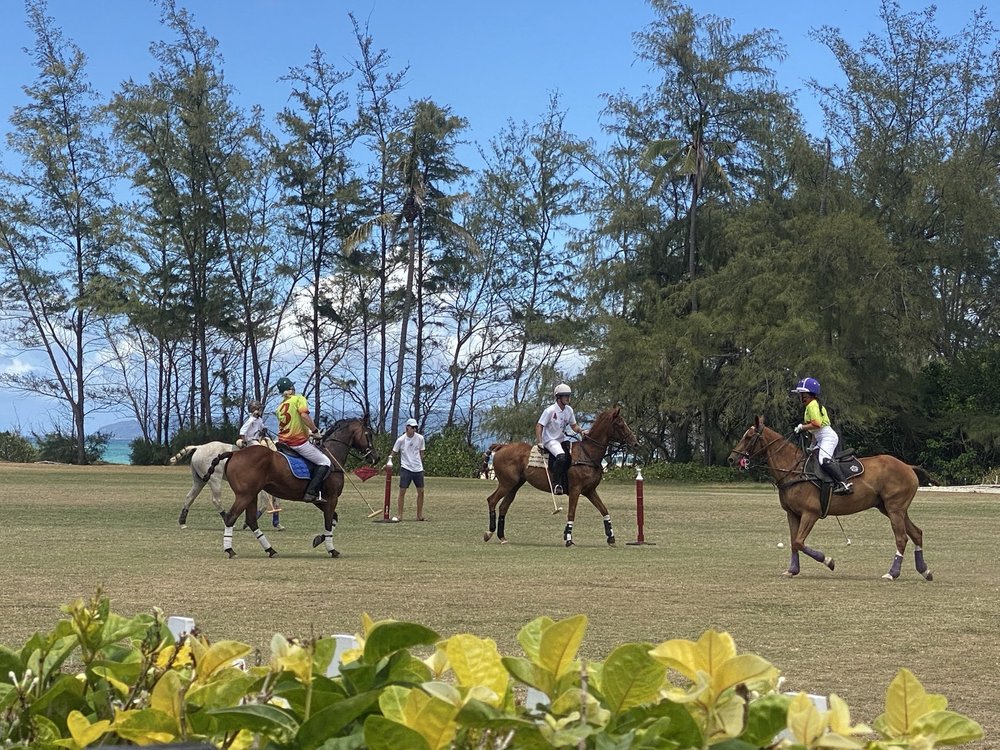
Explore popular things to do in the area, including Dip Into Paradise, Honolulu Polo Club, and vive hair society.
| Name | Category | Distance | Reviews |
Ratings by
Yelp
|
|---|---|---|---|---|
| Dining | 3.9 miles | 6 reviews | 5/5 stars | |
| Active | 4.48 miles | 5 reviews | 5/5 stars | |
| Beauty | 0.41 miles | 12 reviews | 5/5 stars | |
| Beauty | 1.71 miles | 8 reviews | 5/5 stars | |
| Beauty | 0.43 miles | 7 reviews | 5/5 stars | |
|
|
||||
|
|
||||
|
|
||||
|
|
||||
|
|
||||
|
|
Kailua has 16,854 households, with an average household size of 2.93. Data provided by the U.S. Census Bureau. Here’s what the people living in Kailua do for work — and how long it takes them to get there. Data provided by the U.S. Census Bureau. 50,985 people call Kailua home. The population density is 2,346 and the largest age group is Data provided by the U.S. Census Bureau.
Total Population
Population Density Population Density This is the number of people per square mile in a neighborhood.
Median Age
Men vs Women
Population by Age Group
0-9 Years
10-17 Years
18-24 Years
25-64 Years
65-74 Years
75+ Years
Education Level
Total Households
Average Household Size
Average individual Income
Households with Children
With Children:
Without Children:
Blue vs White Collar Workers
Blue Collar:
White Collar:
590 Farrington Hwy #537 Kapolei HI 96707
590 Farrington Hwy #537 Kapolei HI 96707