Kapōlei – Oʻahu's Thriving Second City
Kapōlei (ka-pō-lei) takes its name from Puʻu o Kapōlei, a volcanic cone meaning "the beloved Kapō" or "Kapō's lei." In Hawaiian mythology, Kapō was the sister of the goddess Pele, known for her grace and spiritual power. The name honors her legacy and reflects the deep cultural roots of this land.
Once covered in sugarcane fields under the ʻEwa Plantation, Kapōlei was envisioned decades ago as "Oʻahu's Second City"—a self-sustaining community with its own commercial core, schools, and neighborhoods. What began as a master-planned development in the 1980s has evolved into the heart of West Oʻahu, serving as the region's commercial, educational, and cultural center.
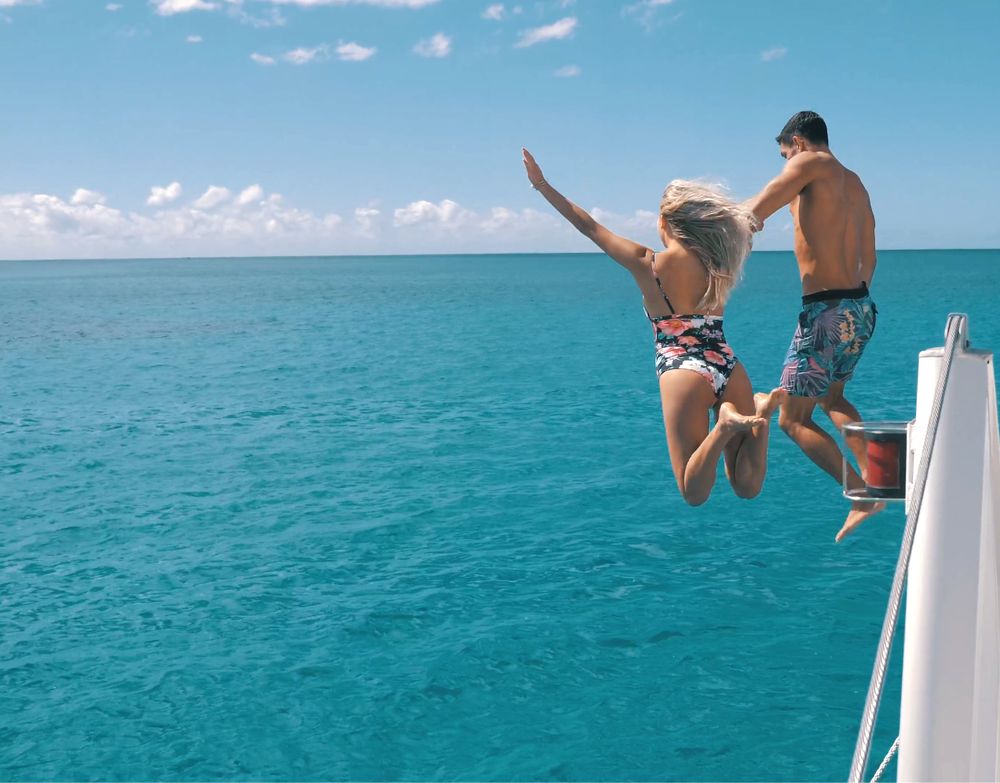
Today, Kapōlei offers a unique blend of suburban comfort and island warmth. Wide streets, newer homes, and thoughtfully designed neighborhoods make it especially appealing to families and professionals seeking a slower pace without sacrificing accessibility. Residents enjoy proximity to White Plains Beach, Ko Olina Lagoon, and Eisenhower Beach, where sunsets paint the sky over the Pacific every evening.
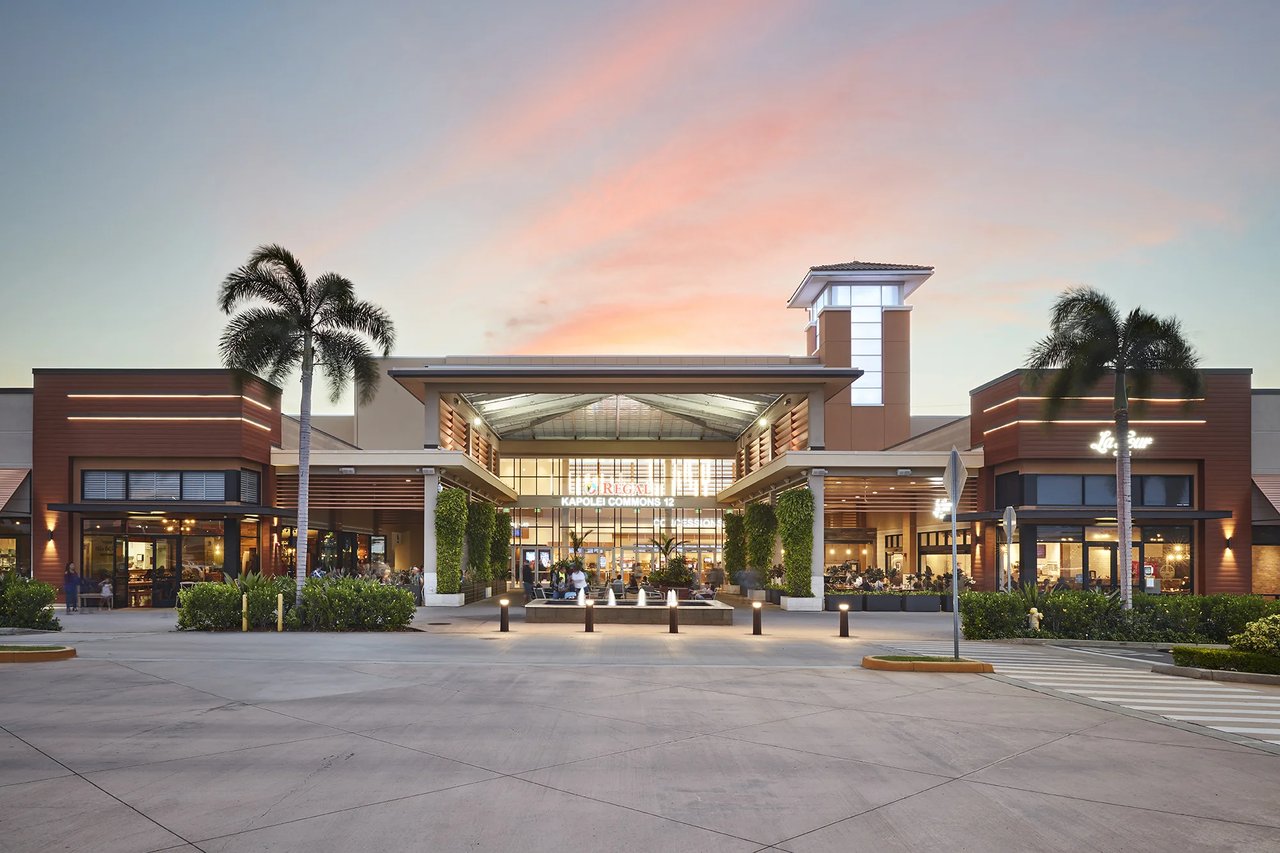
Community planning here emphasizes balance—green parks, walkable shopping areas, and top-rated schools all within minutes of home. Neighborhoods like Mehana, Hoʻopili, and Kapōlei Knolls offer contemporary townhomes and single-family houses, many with mountain or ocean views. The Ka Makana Aliʻi mall brings together retail, dining, and cultural experiences, while the Kroc Center provides fitness, recreation, and programs for all ages.
What truly sets Kapōlei apart is its sense of belonging. Many residents have watched the area grow from open land into a thriving city, and that shared pride shows in the way neighbors connect. It's common to see families walking dogs in the early morning, kids riding bikes after school, and local food trucks drawing crowds on weeknights.
With continued development in Hoʻopili and Kalaeloa, along with the expansion of the Honolulu Rail Transit system, Kapōlei's future is bright. For those looking to invest in Oʻahu's next chapter, Kapōlei is more than a place to live—it's a place to belong. From luxury homes in golf course communities to new-build residences designed for modern ʻohana, Kapōlei captures the essence of contemporary island living: balanced, connected, and full of aloha.