Welcome to
Ewa Beach sits along Oʻahu’s sunny leeward coast and offers a relaxed, coastal lifestyle that feels grounded and unhurried while remaining well connected to the rest of the island. Once known primarily for its plantation history and proximity to military installations, the area has matured into an established residential community defined by ocean access, open skies, and a strong local presence. Located west of Pearl Harbor and just south of Kapolei, Ewa Beach feels more open and suburban than town-side neighborhoods, with trade winds, warm sunsets, and wide horizons shaping daily life.
The neighborhood’s roots trace back to the sugar plantation era, when the ʻEwa Plain played a major role in Oʻahu’s agricultural economy. Following World War II, housing expanded to support nearby military bases, particularly Pearl Harbor, leading to the development of many homes that still define the area today. Plantation-style houses and mid-century residences from the 1950s and 1960s remain common, creating a sense of continuity and character. Over time, thoughtful renovations and infill development have refreshed the neighborhood while preserving its laid-back identity.
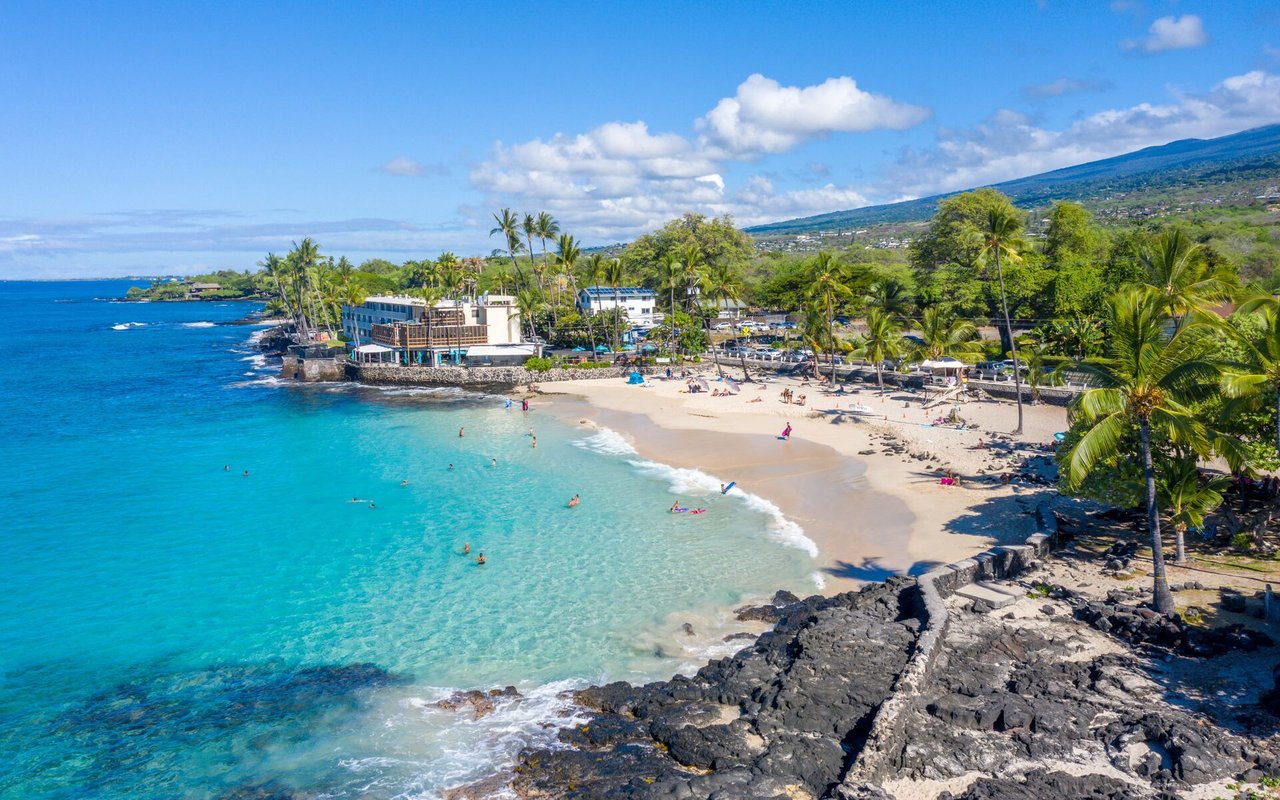
Life in Ewa Beach moves at a gentler pace. Mornings often begin with shoreline walks, fishing along the coast, or coffee enjoyed on a breezy lanai. Afternoons are typically sunny and calm, and evenings revolve around ocean air and sunsets that feel like a daily ritual. The community reflects a blend of longtime residents and newer homeowners who appreciate space, privacy, and a more residential environment. Beach access plays a central role in everyday life, with areas like Oneʻula Beach Park and the surrounding shoreline offering room to walk, paddle, fish, or simply unwind. The beaches here feel natural and uncrowded, adding to the neighborhood’s authentic appeal.
Real estate in Ewa Beach is primarily made up of single-family homes, many situated on larger lots than those found closer to urban Honolulu. The housing mix includes classic plantation-era properties, mid-century ranch-style homes, and pockets of newer construction. Some residences have been fully updated, while others remain in original condition, offering opportunities for customization and long-term value. Compared to neighborhoods closer to town, Ewa Beach has historically provided more attainable pricing for detached homes, especially for buyers seeking land, parking, and a true neighborhood setting. While townhomes and smaller condo communities exist, the area is largely defined by its low-density, low-rise feel.
Daily conveniences are close at hand without overwhelming the residential character of the area. Grocery stores, schools, parks, and local businesses are woven throughout the community, supporting an easy day-to-day routine. For expanded shopping, dining, and entertainment, Kapolei is a short drive away and serves as the region’s primary commercial hub. Many residents commute toward Honolulu, particularly those working in town or connected to nearby military bases. While peak-hour traffic is part of life on Oʻahu, many find the balance worthwhile in exchange for space, coastal access, and a quieter home environment.
Ewa Beach tends to appeal to buyers who value substance over flash. It attracts those looking for a long-term place to live, with a strong sense of community, access to the outdoors, and room to grow. The neighborhood’s atmosphere feels genuine and lived-in, shaped by neighbors who take pride in where they live and enjoy the slower rhythm of the leeward coast.
Overall, Ewa Beach offers a version of island living that feels authentic and comfortable. It’s not about luxury resorts or high-rise living, but about real homes, real neighborhoods, and everyday moments shaped by sun, sea, and space. For those seeking a coastal lifestyle with breathing room and a strong local identity, Ewa Beach remains one of Oʻahu’s most compelling places to call home.
83,467 people live in Ewa Beach, where the median age is 33.9 and the average individual income is $39,989. Data provided by the U.S. Census Bureau.
Total Population
Median Age
Population Density
Average individual Income
There's plenty to do around Ewa Beach, including shopping, dining, nightlife, parks, and more. Data provided by Walk Score and Yelp.
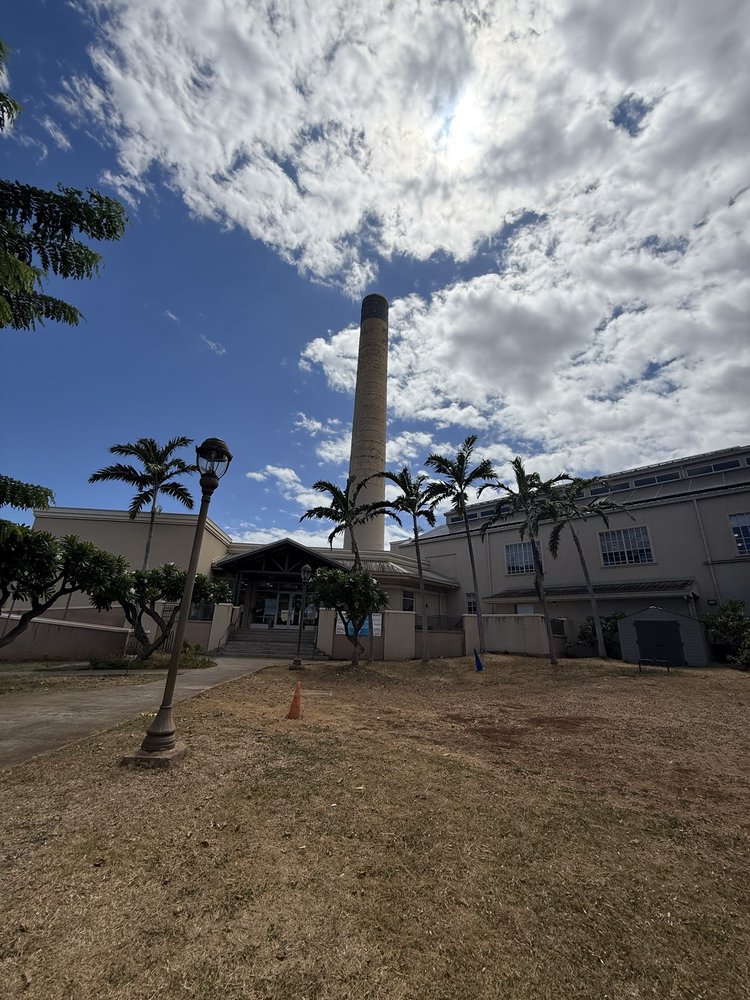
Explore popular things to do in the area, including The Pearl, 3000psi Dive School, and CrossFit West Oahu.
| Name | Category | Distance | Reviews |
Ratings by
Yelp
|
|---|---|---|---|---|
| Dining · $$ | 4.2 miles | 48 reviews | 4.9/5 stars | |
| Active | 3.22 miles | 5 reviews | 5/5 stars | |
| Active | 4.89 miles | 15 reviews | 4.9/5 stars | |
| Active | 1.91 miles | 28 reviews | 4.9/5 stars | |
| Active | 3.31 miles | 53 reviews | 4.8/5 stars | |
| Beauty | 4.72 miles | 58 reviews | 4.9/5 stars | |
| Beauty | 3.87 miles | 72 reviews | 4.8/5 stars | |
| Beauty | 2.61 miles | 22 reviews | 4.8/5 stars | |
| Beauty | 3.6 miles | 26 reviews | 4.8/5 stars | |
|
|
||||
|
|
||||
|
|
||||
|
|
||||
|
|
||||
|
|
Ewa Beach has 23,441 households, with an average household size of 3.55. Data provided by the U.S. Census Bureau. Here’s what the people living in Ewa Beach do for work — and how long it takes them to get there. Data provided by the U.S. Census Bureau. 83,467 people call Ewa Beach home. The population density is 4,891 and the largest age group is Data provided by the U.S. Census Bureau.
Total Population
Population Density Population Density This is the number of people per square mile in a neighborhood.
Median Age
Men vs Women
Population by Age Group
0-9 Years
10-17 Years
18-24 Years
25-64 Years
65-74 Years
75+ Years
Education Level
Total Households
Average Household Size
Average individual Income
Households with Children
With Children:
Without Children:
Blue vs White Collar Workers
Blue Collar:
White Collar:
590 Farrington Hwy #537 Kapolei HI 96707
590 Farrington Hwy #537 Kapolei HI 96707