Market Updates
Oʻahu Real Estate Wealth Trends – Kakaʻako Luxury Condos | Local Housing Insights
Why local homeowners are swapping East Honolulu family estates for low-maintenance urban high-rises—and what it means for the island's housing ladder.

Hawaiʻi’s Wealth Paradox
Living in Hawaiʻi comes with a financial rhythm unlike anywhere else in the country. We see it every day: standard single-family homes pushing past the million-dollar mark while long-time residents balance modest monthly incomes with millions in home equity. The local market remains flat overall, yet rising interest rates and inflation continue to draw a sharp line between those who already own property and those trying to buy their first place.
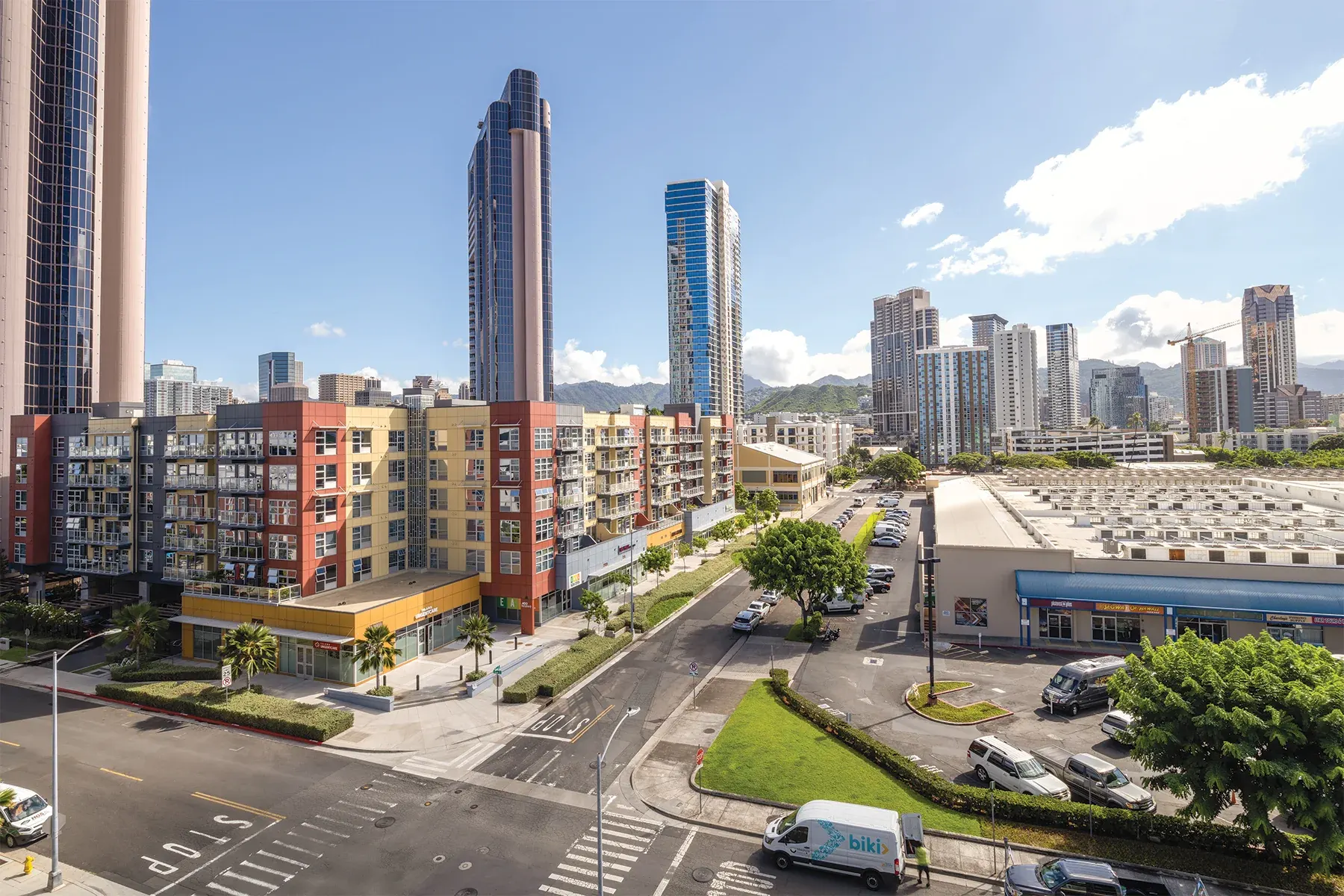
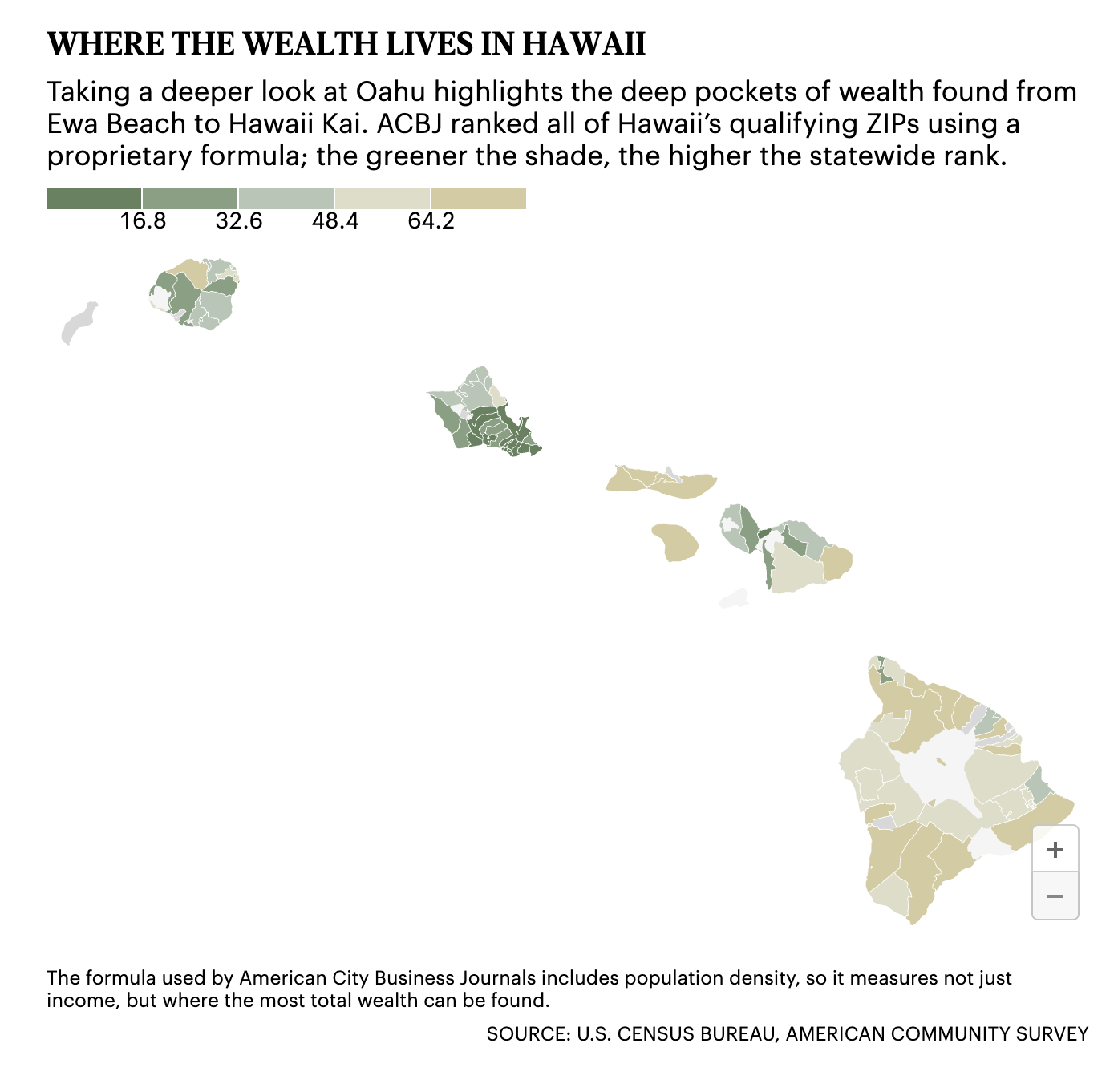
For the second straight year, urban Honolulu’s 96814 ZIP code—covering Ala Moana and Kakaʻako—holds the top spot on Pacific Business News’ list of the wealthiest ZIP codes in Hawaiʻi. While traditional pockets like Kāhala have historically held the deepest pockets, a significant shift is underway across Oʻahu as local homeowners reevaluate how and where they want to live.
The Boomer Migration to Kakaʻako
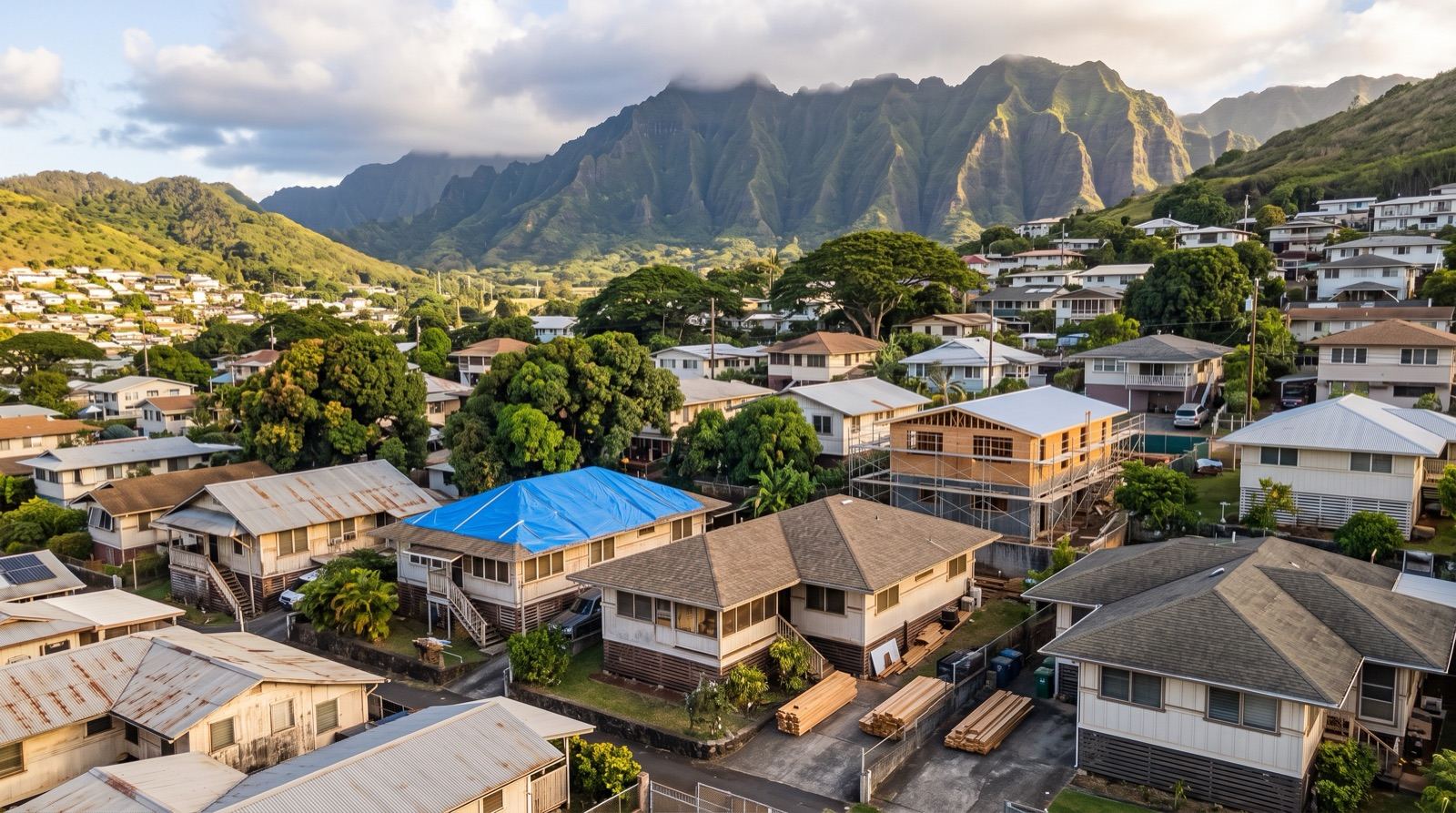
The driver behind Kakaʻako’s sustained ranking isn't just outside capital coming into the state—it is a clear generational move happening right here at home. Local baby boomers who raised families in large, single-family homes across East Honolulu are reaching a new stage of life. Managing a multi-level yard, fixing aging roofs, and handling constant home upkeep in humid island conditions starts to lose its charm after a few decades.
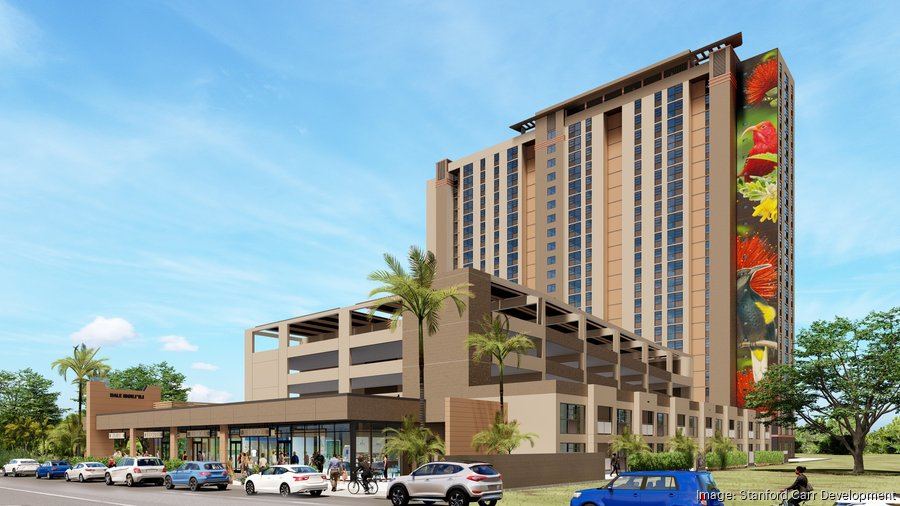
Instead of staying in large multi-bedroom properties, many long-time owners are opting to downsize. They are taking the equity built over decades in neighborhoods like Kāhala, Hawaiʻi Kai, or ʻĀina Haina and moving directly into the urban core. High-rise developments in Kakaʻako offer the same high-end finishes and amenities, but with vertical conveniences: secure parking, concierge services, walkability to supermarkets and eateries, and zero lawn maintenance.
Reopening Rungs on the Housing Ladder
When news breaks about multimillion-dollar condo sales in Kakaʻako, it is easy to view it as a trend detached from everyday life. However, this movement of wealth plays a vital role in opening up real estate inventory for residents across the island.
When a long-time homeowner sells their house in East Honolulu to move into a condo or assisted living facility, that single-family home finally hits the market. It provides a rare opportunity for a growing family to step up to a larger property, which in turn frees up their starter home or townhouse elsewhere on Oʻahu. New construction in the urban core doesn't just house new residents; it keeps inventory moving through every step of the local housing ladder.
A Changing Landscape Across the Islands
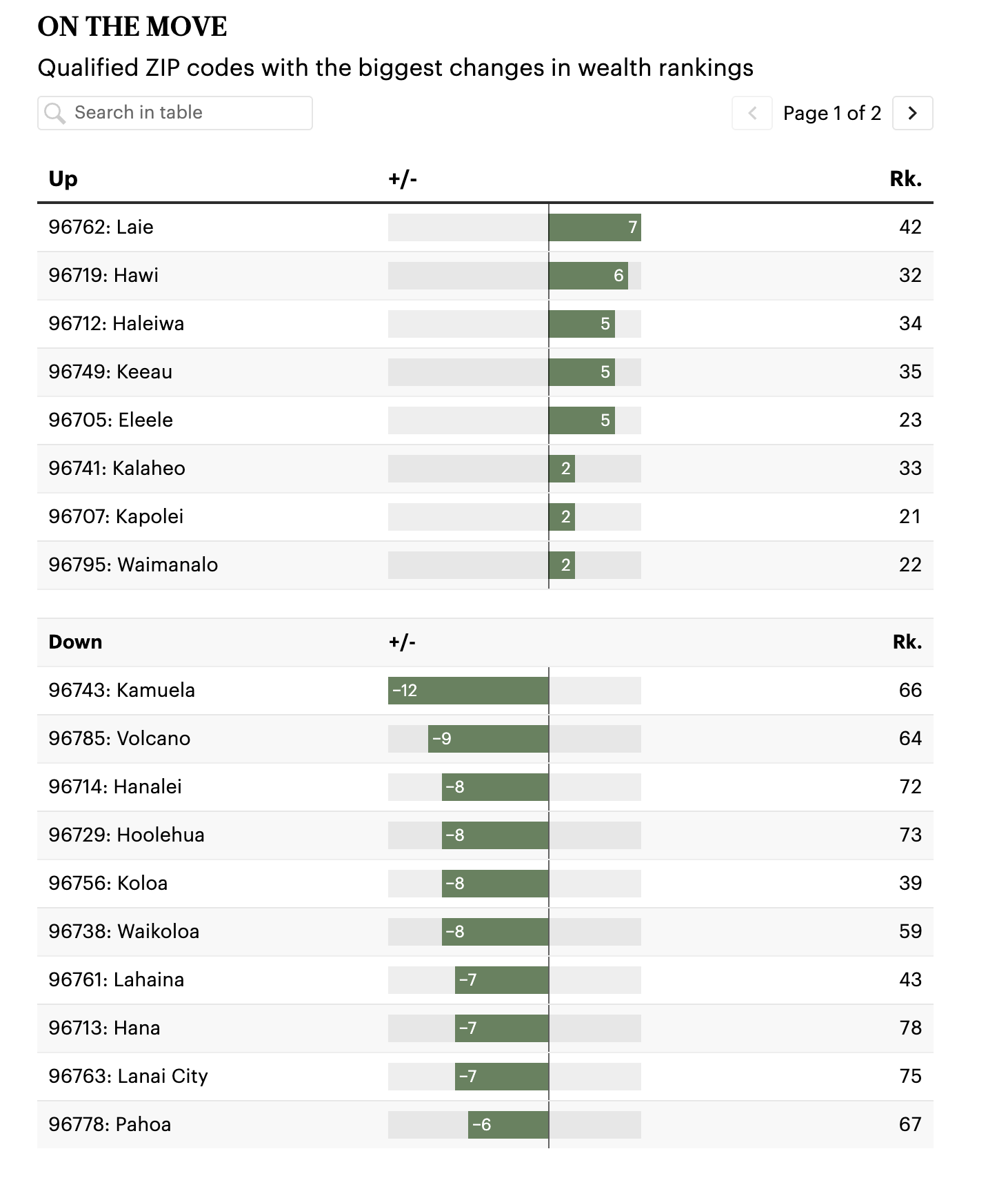
This shifting dynamic isn't limited to Honolulu's urban core. North Shore communities like Lāʻie (96762) and Haleʻiwa (96712) saw significant gains in wealth density rankings over the past year. Lāʻie jumped seven spots on the statewide ranking, climbing to No. 42, while Haleʻiwa moved up five spots to No. 34.
At the same time, Neighbor Island real estate experienced noticeable recalibration. While ultra-wealthy buyers continue to invest in large land tracts on Hawaiʻi Island regardless of broader economic shifts, secondary home markets and vacation rentals took a hit. ZIP codes like Kamuela (-12 spots) and Volcano (-9 spots) saw the biggest drops in wealth rankings as inflation and elevated mortgage rates cooled off second-home demand.
Redefining Luxury on Oʻahu
The concept of luxury real estate in Hawaiʻi operates on its own set of rules compared to the U.S. Mainland. Buyers moving from places like Texas or California might view golf-course frontage homes in ʻEwa Beach or Kapolei as high-end options due to their square footage and layout. But relative to the broader island landscape, true wealth density on Oʻahu remains tightly clustered in established East Honolulu enclaves and the luxury condo towers lining urban Honolulu.
As Oʻahu continues to adapt to changing economic factors and housing demands, watching where local equity flows gives us a clear look into the future of our island neighborhoods. Whether it’s vertical living in Kakaʻako or quiet residential streets in Windward Oʻahu, our unique real estate ecosystem always finds a way to adapt to the changing needs of local families.