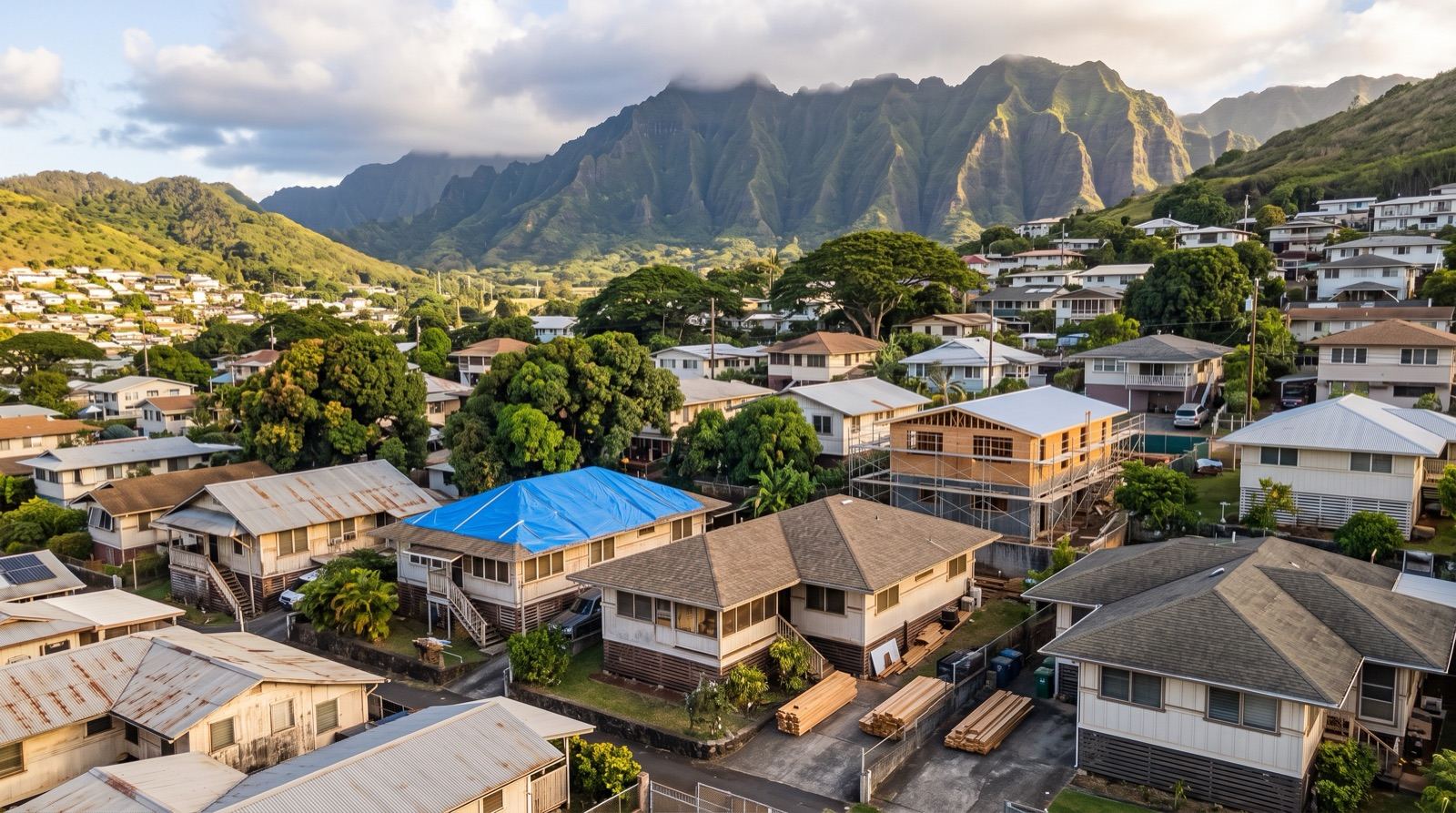
Legal & Disclosures · Tips & Guides
Oʻahu short-term rental laws: the 90-day rule and Bill 64
The 90-day minimum, the HILSTRA injunction, and what Bill 64 changed about registration, fees, and enforcement in Honolulu County.
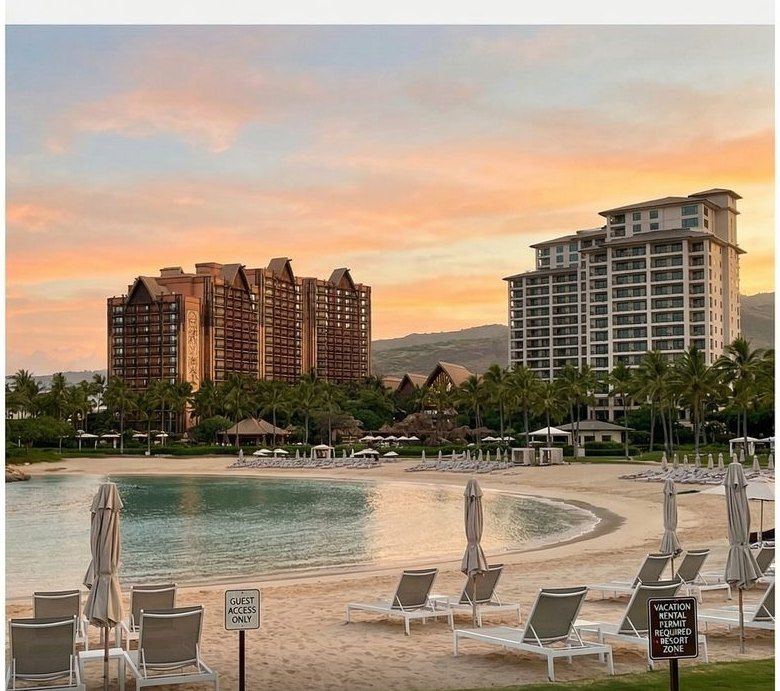
If you’ve lived on Oʻahu for more than a minute, you know that “change” is the only thing we can actually count on—especially when it comes to the weather and the City Council. But lately, the changes regarding short-term rentals (STRs) have felt less like a passing shower and more like a permanent shift in the climate.
Between the landmark court rulings and the implementation of Bill 64, the rules for renting out a home or even a “granny flat” on Oʻahu have become a complex maze. If you’re a homeowner trying to make ends meet or an investor looking at a property in ʻEwa Beach or Kailua, the old “Airbnb and chill” strategy is officially pau.
The 30 vs. 90-Day Tug of War
The biggest point of confusion for most of us is the minimum stay requirement. A few years back, the City tried to push the minimum rental period from 30 days to 90 days for all residential zones. The goal was simple: move the tourists out of our neighborhoods and back into the resort hubs like Waikīkī and Ko ʻOlina.
However, the HILSTRA court ruling threw a wrench in those plans. A federal judge stepped in and basically said the City couldn’t just strip away the rights of owners who were already operating 30-day rentals legally.
So, where does that leave us in 2026?
- The “Grandfathered” Group: If you were already operating a legal 30-day rental before the 2022 rules kicked in, you might still be able to operate on that 30-day clock thanks to the court’s permanent injunction.
- The New Reality: For anyone buying a home today or starting a new rental, the 90-day minimum is the standard. If you’re advertising your place for a month-long “workcation,” you might be looking at a heavy fine from the DPP (Department of Planning and Permitting) unless you’re in a resort-zoned area.
Enter Bill 64: The “Admin” Overhaul
While the 90-day rule gets all the headlines, Bill 64 (now known as Ordinance 25-2) has been quietly changing the logistics of property management. This bill was essentially a massive cleanup of the Land Use Ordinance, but it came with some stingers for local owners.
The City is moving everything onto the HNL Build digital platform. While a more streamlined system sounds great in theory, the fees are a different story. Under the current rules, even small changes—like updating the name on a registration or changing your local point of contact—can be treated like a brand-new application. We’re talking $1,000 for a new registration and $500 for renewals. For the “mom and pop” owners in neighborhoods like Kāneʻohe or Salt Lake, these administrative costs add up fast.
The Impact on Local Neighborhoods
We have to talk about the “why” behind all this. We all feel the squeeze of the housing crisis. When a house in your neighborhood turns into a revolving door for tourists, it changes the vibe of the street. It makes it harder for local families to find long-term rentals.
But there’s a flip side. Many Oʻahu families rely on that rental income to stay in Hawaiʻi. With the cost of eggs and electricity what they are today, losing that rental flexibility hurts. We’re seeing a shift where local owners are pivoting toward “Mid-Term” rentals. They aren’t looking for tourists anymore; they are looking for traveling nurses, military members on TLA, and film crews. These folks stay for 90 days or more, they don’t throw loud parties, and they help keep the mortgage paid.
Enforcement is No Longer a Joke
Gone are the days when you could just hide your address and hope for the best. The City has invested in high-end software that scrubs platforms like Airbnb, VRBO, and even Facebook Marketplace. They are looking for your Tax Map Key (TMK) and your GET/TAT license numbers.
If those aren’t clearly displayed in your listing, you’re basically sending an invitation to the DPP to come knock on your door. And with fines reaching up to $10,000 per day for repeated violations, it’s just not worth the gamble.
Looking Ahead
The landscape of Oʻahu real estate is always evolving, and the rental market is the front line. Whether you agree with the 90-day rule or think Bill 64 is just another “tax” on homeowners, staying informed is the only way to protect your property.
As we move through 2026, keep a close eye on your registration renewal dates and make sure your local contact is someone who actually answers their phone. The City is looking for compliance, and the best way to stay out of their crosshairs is to follow the letter of the law—even if it feels like the goalposts are constantly moving.