Neighborhoods
Kakaʻako condos: amenities, fees, and lifestyle tradeoffs
Kakaʻako is not one condo market. Amenities, fees, parking, and future neighborhood change, submarket by submarket.

If you are shopping for a condo in Kakaʻako, it is easy to focus on the view, the finishes, or the pool deck. But in this part of Honolulu, what you are really buying is often a mix of location, amenities, parking convenience, and exposure to future development. If you want to make a smart decision, you need to look beyond square footage and understand the tradeoffs that shape daily life and monthly costs. Let’s dive in.
Kakaʻako Is Not One Condo Market
A big mistake buyers make is treating Kakaʻako like one uniform condo market. In reality, the area includes distinct submarkets with different planning styles, lifestyle patterns, and cost structures.
Ward Village is a 60-acre master-planned community built around walkability, parks, retail, public art, and neighborhood gathering spaces. The developer also describes it as being next to Ala Moana Beach Park, which adds meaningful day-to-day value if you want easy access to open space, the beach, and nearby shopping.
Our Kakaʻako follows a different model. It is a 29-acre, nine-block master plan that uses district-wide parking and cross-block circulation so people can park in one area and walk to another. That may sound like a small planning detail, but it can create a very different lived experience.
A helpful way to think about it is this: Ward Village often feels like a more fully packaged, resort-urban environment, while Our Kakaʻako often feels more like a mixed-use district with a wider range of housing types and a more flexible parking setup. If you compare condos only by price per square foot, you can miss what really affects your everyday life.
Amenities Often Drive Monthly Fees
When you buy a condo in Hawaiʻi, your maintenance fee is not just a line item to skim past. According to the State of Hawaiʻi condominium bulletin, maintenance fees typically help cover property operations, common-area maintenance, replacement costs, and reserve funding. The same bulletin also notes that owners generally cannot opt out of fees by not using amenities, and special assessments can happen when reserves fall short or major repairs come up.
That matters in Kakaʻako because towers with more staff, more systems, and larger amenity decks often come with higher monthly costs. In simple terms, the more elaborate the building experience, the more you are likely paying for it every month.
High-Amenity Towers
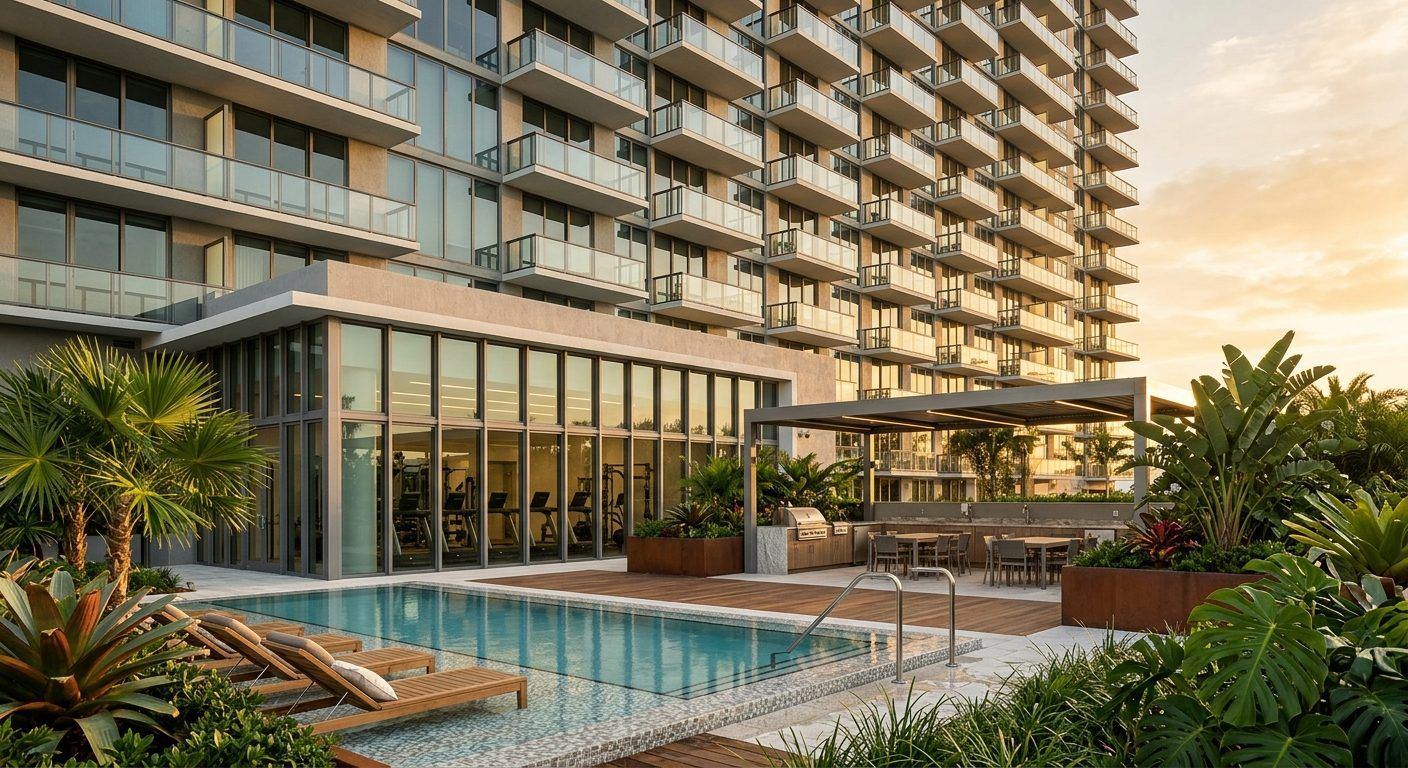
Ward Village provides some clear examples of how wide that range can be. Anaha advertises concierge service, 24/7 resident specialists, guest suites, optional valet parking, a fitness center, theater, dining room, golf simulator, pool, tennis court, sand volleyball court, and dog park. That is a substantial lifestyle package, but it also helps explain why fees in luxury buildings can feel higher.
Kōʻula and Aʻaliʻi show that even within the same district, there are different versions of amenity-rich living. Kōʻula advertises more than an acre of amenity space, guest suites, a lap pool, dog park, and fitness center. Aʻaliʻi emphasizes efficient living, but still includes a rooftop fitness club, adult pool, cabanas, event spaces, a keiki splash area, and a separate fitness deck and lounge.
More Utilitarian Options
Not every Kakaʻako condo is trying to deliver a full resort-style experience. Ke Kilohana is described as a completed 424-home tower with Longs Drugs at the base and a more practical amenity mix. Ulana is described by the developer as efficient living with unique amenities and expansive green spaces.
For some buyers, that middle ground can be the sweet spot. You may give up some luxury extras, but you might gain a fee structure that feels easier to live with long term.
What Your Fees Really Buy
The best way to compare condos is not just to ask, “What is the monthly fee?” A better question is, “What does that fee support?”
In Kakaʻako, your monthly cost may reflect several factors:
- On-site staffing and concierge services
- Large amenity decks and specialty spaces
- Guest suites and valet services
- Reserve funding for long-term repairs and replacements
- Parking systems and security features
That is why two buildings only a few blocks apart can feel very different financially. One may lean into a luxury lifestyle package, while another may focus more on location and functional convenience.
Parking Can Change Daily Life
Parking is one of the most underappreciated condo tradeoffs in Kakaʻako. It can affect convenience, guest access, and even how much value you feel you are getting from the location.
Ward Village says the neighborhood includes 2,600+ public parking stalls, EV charging, Biki stations, a security center, and 15-minute parking. That supports a more polished, planned environment where retail access and neighborhood circulation are part of the value proposition.
Our Kakaʻako uses a district-style parking approach. According to the master plan and district information, areas like SALT, Flats at Puʻunui, and Keauhou Lane use a parking system that includes the first hour free, tenant validation at participating businesses, and app-based management. That setup may work well if you like a more flexible, mixed-use environment, but it can feel different from a tower with more self-contained resident and guest parking.
Questions to Ask About Parking
Inside the buildings, parking arrangements vary. Anaha advertises parking for every unit plus optional valet and on-site guest parking. Ke Kilohana includes dedicated resident parking, Ulana places residential parking on levels 3 through 9, and other projects like Kalae and The Park also advertise secured residential parking.
When you compare condos, ask these practical questions:
- How many stalls are included with the unit?
- Is guest parking on-site and easy to use?
- Is valet optional, required, or not available?
- How much of the building’s lifestyle and cost structure is tied to parking services?
These details may matter just as much as your floor plan if you expect visitors often or plan to keep one or more cars.
Walkability Is Real, but Uneven
Kakaʻako is often marketed as a walkable urban neighborhood, and that is true in many parts of the district. But not every building delivers the same experience.
Ward Village describes itself as a pedestrian-oriented, bike-friendly neighborhood with parks, gathering spaces, and retail. Its neighborhood materials emphasize the public realm as a core part of the community design. Our Kakaʻako also centers walkability, but through a district model built around connected parking and cross-block circulation.
For you as a buyer, the tradeoff is simple. Some condos are better suited to a car-light lifestyle where you can walk to shops, open space, and daily needs. Others may make more sense if you want easier parking access or less overhead tied to large amenity packages.
New Construction vs. Resale in Kakaʻako
Kakaʻako is still evolving, and that creates both opportunity and risk. If you are deciding between new construction and resale, you are also deciding how much uncertainty you are willing to accept.
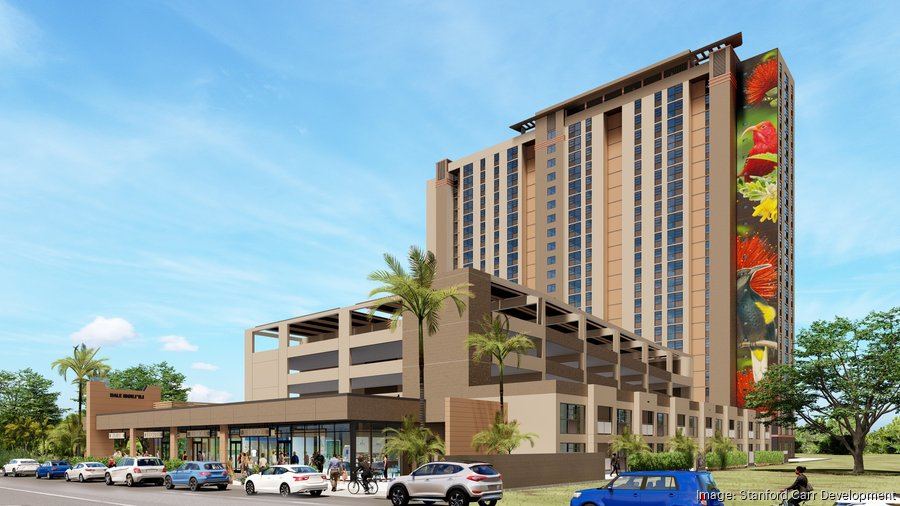
Ward Village’s broker portal shows that the district still includes completed, under-construction, and coming-soon residences. The Park is under construction with 545 homes, Kalae is under construction with 330 homes, and The Launiu is coming soon with 396 tower residences and 90 podium residences. That means today’s skyline is not necessarily the final version of the neighborhood.
Why New Construction Costs More
Statewide context helps explain part of the pricing. A UHERO report found that the median price of a new two-bedroom condo in Hawaiʻi is $672,000 and estimated that regulatory costs add $387,000, or 58%, to the price of a new condominium. The report notes that parking requirements and infrastructure obligations are part of that cost stack.
That does not mean every Kakaʻako condo follows the same pricing pattern, but it does show why new inventory in Honolulu often comes with a premium. Buyers are not just paying for finishes. They are also paying for newer systems, current design standards, and the cost of producing new housing in Hawaiʻi.
The Practical Tradeoff
New construction often offers fresh design, new amenities, and the appeal of being the first owner. Resale often offers known monthly costs, immediate move-in options, and a clearer picture of the current building and surrounding views.
In Kakaʻako, future build-out is a major part of the decision. Project materials for The Park reinforce that new development can continue to reshape parts of the district. If view corridors, sunlight, or privacy matter to you, it is worth studying not just the condo you like, but also what may rise nearby.
How To Weigh the Tradeoffs
If you are trying to decide which Kakaʻako condo fits your goals, it helps to stop thinking in terms of “best building” and start thinking in terms of “best fit.”
Here is a practical framework:
Choose a high-amenity tower if you want:
- A more packaged lifestyle experience
- Extensive recreation and gathering spaces
- More on-site service and staffing
- A newer, luxury-oriented feel
Choose a more utilitarian building if you want:
- Lower amenity overhead
- Simpler day-to-day ownership costs
- Functional convenience over resort-style extras
- A stronger focus on location and usability
Prioritize resale if you want:
- More certainty around current views and surroundings
- Existing building history and known operations
- Immediate occupancy
- A clearer understanding of how the building actually lives
Prioritize new construction if you want:
- The newest design language and systems
- Fresh amenity spaces
- Potential developer warranties
- A just-built or soon-to-be-built home
The right answer depends on how you live, what you value, and how comfortable you are with monthly carrying costs over time.
Kakaʻako can be an exciting place to own a condo, but the best purchase is rarely the one with the flashiest brochure. It is the one that fits your routine, your budget, your parking needs, and your tolerance for future neighborhood change. If you want help comparing Kakaʻako condos with a clear, practical lens, connect with The Ulu Team for guidance tailored to your goals.
FAQs
What do condo maintenance fees in Kakaʻako usually cover?
In Hawaiʻi, condo maintenance fees commonly cover property operations, common-area maintenance, replacement costs, and reserve funding, and owners generally cannot opt out of those fees by skipping amenities.
What is the difference between Ward Village and Our Kakaʻako condos?
Ward Village is a 60-acre master-planned community centered on walkability, parks, retail, and public spaces, while Our Kakaʻako is a 29-acre mixed-use district built around district-wide parking and cross-block circulation.
Why do some Kakaʻako condos have much higher monthly fees?
Buildings with more staffing, larger amenity decks, guest suites, valet services, and more complex systems often have higher monthly costs because those features require ongoing operating and reserve funding.
How important is parking when buying a Kakaʻako condo?
Parking can have a major effect on convenience, guest access, and monthly value, so you should look closely at stall count, guest parking, valet options, and how parking fits into the building’s overall cost structure.
Is buying new construction in Kakaʻako better than buying resale?
New construction may offer newer design, systems, and amenities, while resale may offer known monthly costs, immediate occupancy, and a clearer picture of current views and surrounding development.
Can future development affect a Kakaʻako condo purchase?
Yes, because Kakaʻako is still being built out, future towers may affect views, shade patterns, privacy, and resale appeal depending on the location of nearby projects.