Selling · Legal & Disclosures · Tips & Guides
A guide to selling an inherited home in Kāneʻohe
Title and authority first, then probate or trust, repairs, timelines, and closing. How an inherited home on this side of the island actually gets sold.
If you need to sell an inherited home in Kāneʻohe, you may be juggling grief, paperwork, family decisions, and a property that suddenly needs attention. It can feel overwhelming, especially when you are not sure who has legal authority to act or how fast the home can be sold. The good news is that there is a clear path forward once you understand the title, probate, and property-prep steps that apply in Hawaiʻi. Let’s walk through it.
Start With Title And Authority
The first question is not what the home is worth or when to list it. The first question is how the property passed after the owner’s death.
In Hawaiʻi, an inherited home may pass through probate, or it may transfer outside probate through a trust, survivorship ownership, or a transfer-on-death deed. Hawaiʻi recognizes transfer-on-death deeds, so you should not assume probate is required until the deed and title path are reviewed.
That early review matters because the person with authority to sign is not always simply the closest relative. In many cases, the key decision-maker is the legally authorized person named in the trust or appointed in probate.
When Probate Is Required
If the home must go through probate, the estate is generally handled through the circuit court. On Oʻahu, probate falls within the First Circuit.
Under Hawaiʻi law, the personal representative has broad authority over estate property. That can include managing, insuring, repairing, and selling the home, unless a will or court order limits that authority.
When Probate May Not Be Required
Some inherited homes pass outside probate entirely. That can happen if the property is held in a trust, owned with survivorship rights, or covered by a transfer-on-death deed.
This is why one of the smartest early steps is having the deed, estate documents, and title reviewed before making plans. It helps you avoid delays and prevents someone without authority from signing listing or sale documents.
Know Who Can Sell The Home
Families often assume all heirs must sign off on every step. In Hawaiʻi, the answer is more nuanced.
If probate is open, the personal representative is usually the person with authority over the estate property. That said, the sale process can change depending on whether heirs or beneficiaries agree, what the will says, and whether court confirmation is required.
Do All Heirs Need To Agree?
Not always. Hawaiʻi probate rules allow the personal representative to list and sell real property without court confirmation if all heirs or beneficiaries consent in writing to a specific price.
If that written agreement is not in place, the sale may need court approval. Court confirmation can also be required if the will says so or if an heir or devisee demands it.
Can You Sell Before Probate Closes?
Often, yes. Because Hawaiʻi law gives the personal representative broad power over estate property, a sale can often move forward before probate is fully closed if authority is clear and the transaction follows the applicable probate rules.
That can be a major relief for families managing ongoing costs like insurance, utilities, taxes, and maintenance on a vacant home.
Gather The Right Documents Early
A smoother sale usually starts with strong organization. Before you make repair or pricing decisions, gather the documents that help your attorney, title company, and real estate team confirm the next steps.
Common documents include:
- Certified death certificate
- Will or trust documents
- Prior deed
- Mortgage statements
- Property tax records
- Insurance information
- HOA or maintenance documents, if applicable
The Hawaiʻi Department of Health says certified death certificates may be requested by people with a direct and tangible interest, including a personal representative and certain close relatives. Getting this paperwork together early can save time later.
Understand The Probate Timeline
One of the hardest parts of selling an inherited home is uncertainty. While every estate is different, a few probate milestones often affect the timeline.
If probate is opened, the estate may need to give notice to creditors. Hawaiʻi law allows notice to creditors to be published once a week for three successive weeks, and creditors generally must present claims no later than four months after the first publication.
That does not always mean the home cannot be listed or sold during that period. It does mean your sale strategy should be coordinated carefully with the estate timeline, title company, and attorney.
Some Estates May Qualify For Simpler Procedures
Hawaiʻi does have summary administration procedures for some small estates. But this is not something to assume based on guesswork.
Instead, treat it as a legal and title question. The right path depends on the estate’s facts, the property, and how ownership was held.
Prepare A Kāneʻohe Home For The Market
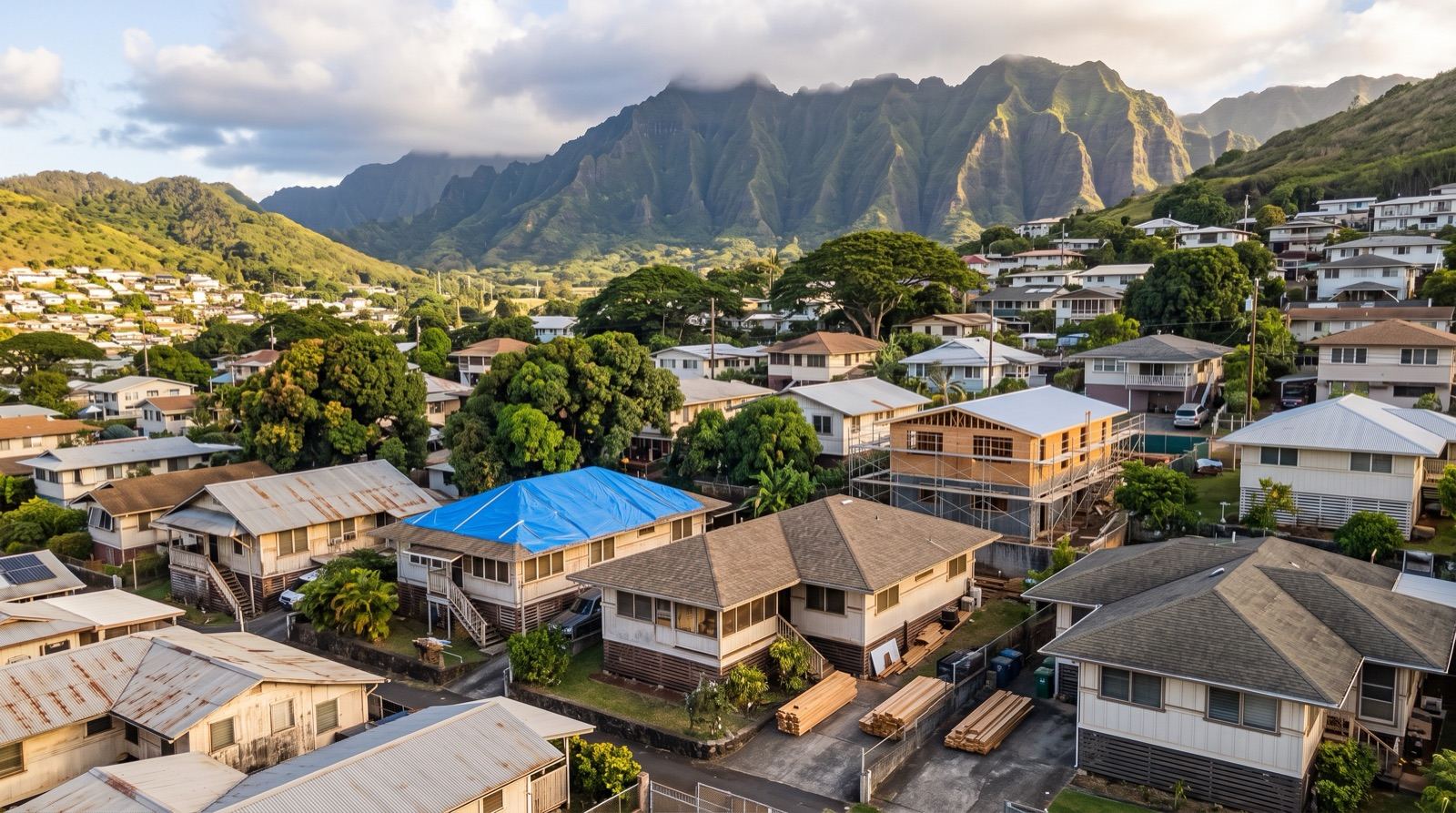
Kāneʻohe’s windward climate shapes how inherited homes should be prepared for sale. Windward sides of the islands are generally wetter because they face the prevailing trade winds, and that extra moisture can affect condition, maintenance, and buyer impressions.
For many inherited homes, especially older ones, the goal is not a full remodel. The goal is to make the property clean, secure, and market-ready while addressing the issues most likely to affect inspections and buyer confidence.
Focus On Moisture First
In Kāneʻohe, moisture management deserves early attention. The Hawaiʻi Department of Health says mold is driven by moisture and can begin growing within 24 to 48 hours after water intrusion.
That means even a small roof leak, plumbing issue, or poorly ventilated area can become a larger problem if the home has been sitting vacant. If you are preparing an inherited property, start by checking for signs of leaks, damp materials, musty odors, or visible mold.
Check For Termite Concerns
Termites are another important issue in Hawaiʻi. The University of Hawaiʻi Termite Project says the Formosan subterranean termite is the single most damaging insect pest to homes and other structures in the state.
If the house is older or has deferred maintenance, it is wise to check for current activity, past treatment records, and visible wood damage. This can help you make informed decisions before buyers begin inspections.
Prioritize Practical Repairs
When families inherit a home, they often wonder how much money to spend before listing. In many cases, the best answer is to focus on practical repairs instead of chasing every cosmetic upgrade.
Useful prep priorities often include:
- Fixing roof or plumbing leaks
- Drying out or replacing mold-damaged materials
- Improving ventilation where needed
- Confirming termite activity or prior treatment
- Clearing overgrowth and basic exterior cleanup
- Completing repairs that help the home show cleanly and perform better during inspections
This approach is often a better fit for inherited sales, especially when the estate wants to balance time, cost, and marketability.
Expect An As-Is Sale Structure
Many probate sales in Hawaiʻi are structured as as-is sales. Probate sale contracts commonly state that the property will be conveyed as-is by quitclaim or limited warranty deed.
That does not mean the property cannot sell well. It means buyers should understand that the estate is typically transferring its interest in the home, not promising a fully updated property with a long list of post-closing fixes.
Clear expectations matter here. A well-prepared as-is listing can still attract strong interest if pricing, disclosure, and presentation are handled carefully.
Avoid Common Inherited-Home Mistakes
Inherited sales can go off track when families act too quickly or make assumptions about authority. A little patience early on can prevent much larger problems later.
Some of the most common pitfalls include:
- Listing the home before title authority is confirmed
- Assuming any family member can sign the sale documents
- Disagreements over price or repairs
- Overlooking creditor claims or estate debts
- Underestimating how long coordination takes between attorney, title, and recording
If family disagreements do arise, Hawaiʻi’s probate court offers a mediation program for contested probate, contested trust, and contested guardianship of property cases. That can provide a more constructive path than letting conflict stall the entire sale.
Know What Happens At Closing
Once the home is under contract and the estate has authority to proceed, the closing process includes state-specific paperwork. In Hawaiʻi, conveyance-tax forms are part of the closing package.
The Department of Taxation says Form P-64A is the conveyance tax certificate, while Form P-64B is used to request certain exemptions from conveyance tax. These forms must be completed properly to be accepted.
Recording Can Have Extra Steps
The Bureau of Conveyances handles recording through a single statewide system. The Bureau also notes that properties may be in either the Land Court system or the Regular System, which can affect the closing and recording workflow.
That is one reason inherited-home sales benefit from careful coordination. The Bureau of Conveyances recommends using a licensed legal professional or title company to help ensure documents meet recording standards.
Build A Calm, Step-By-Step Plan
If you are selling an inherited home in Kāneʻohe, it helps to think of the process in four parts: confirm title, establish authority, protect the property, and prepare it for market. Each step builds on the last.
A simple roadmap looks like this:
- Gather the estate and property documents.
- Confirm whether the home passes through probate or outside it.
- Identify who has legal authority to sign.
- Coordinate with the attorney and title company.
- Secure, insure, and maintain the home while decisions are being made.
- Address moisture, mold, termite, and safety issues.
- Price and position the home based on its condition and sale structure.
- Move through contract, closing paperwork, and recording.
You do not have to figure all of this out alone. With the right support, even a complicated inherited sale can become a manageable, respectful process.
When your family is ready for clear guidance, compassionate communication, and experienced help with probate or trust-related sales on Oʻahu, connect with The Ulu Team.
FAQs
Do all heirs have to agree to sell an inherited home in Kāneʻohe?
Not always. In Hawaiʻi probate, the personal representative usually has authority over estate property, and written consent from all heirs or beneficiaries to a specific price may allow a sale without court confirmation.
Can you sell an inherited house in Kāneʻohe before probate closes?
Often yes, if the personal representative has authority and the sale follows Hawaiʻi probate rules.
What if the inherited Kāneʻohe home is vacant and needs work?
Hawaiʻi law gives the personal representative authority to secure, insure, repair, and manage estate property, which can allow the home to be prepared for sale while the estate is still open.
Does every inherited home in Kāneʻohe go through probate?
No. Some homes pass outside probate through a trust, survivorship ownership, or a transfer-on-death deed, so title should be reviewed before assuming probate is required.
What repairs matter most before selling an inherited home in Kāneʻohe?
In Kāneʻohe, practical issues often matter most, especially moisture damage, mold concerns, leaks, ventilation problems, termite activity, and basic cleanup that helps the property show well and perform better during inspections.