$290,000
876 Curtis Street 2901, Honolulu, HI 96813
-
Bedroom
1
-
Bathroom
1
-
Sq.Ft.
584
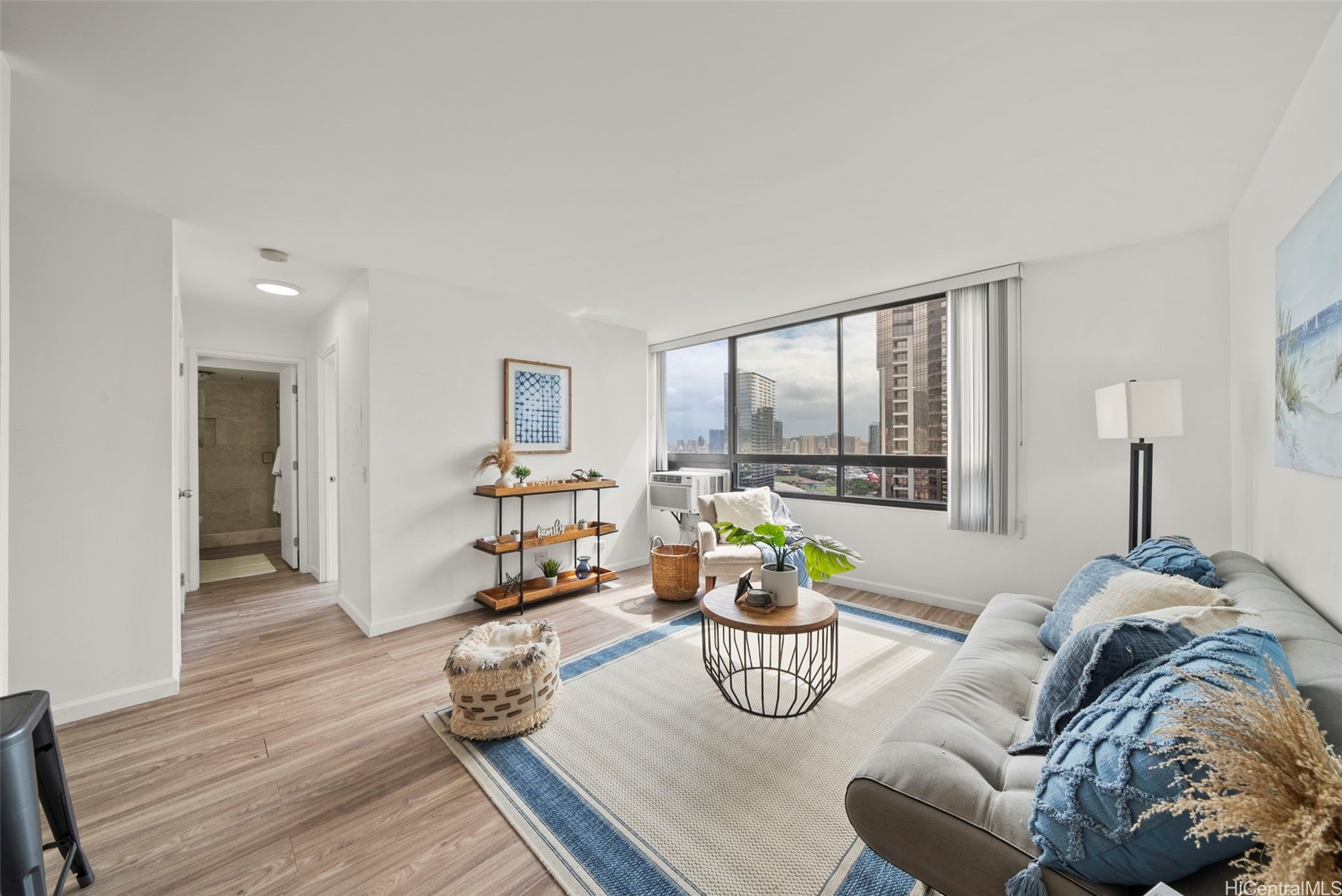
876 Curtis Street 2901, Honolulu, HI 96813
Bedroom
Bathroom
Sq.Ft.
Kaka'ako sits between Downtown Honolulu and Ala Moana and is one of Oʻahu’s most rapidly transformed neighborhoods. Today, it’s known for luxury high-rise condos, walkable streets, and a polished urban lifestyle. But long before the glass towers and master-planned communities, Kakaʻako played a very different role in Honolulu’s story.
Historically, Kakaʻako was a low-lying coastal plain made up of fishponds, wetlands, and salt flats. In ancient Hawaiʻi, the area was used for aquaculture and salt production, supporting nearby communities with food and trade. As Honolulu grew in the 19th and early 20th centuries, Kakaʻako gradually shifted from agricultural use into an industrial zone. Warehouses, auto repair shops, small factories, and light manufacturing dominated the landscape for decades, giving the neighborhood a gritty, utilitarian character that stood in contrast to nearby Waikīkī and Downtown.
For much of the 20th century, Kakaʻako was considered a working district rather than a residential one. The area housed repair yards, storage facilities, and service businesses that supported Honolulu’s growing economy. While it lacked glamour, its central location made it strategically important. By the late 1990s and early 2000s, city planners began to recognize Kakaʻako’s potential as a bridge between the urban core and the ocean.
That vision led to one of the most significant urban redevelopment efforts in Hawaiʻi. Former industrial parcels were rezoned, infrastructure was modernized, and long-term plans focused on creating a dense, walkable, mixed-use neighborhood. The result is the Kakaʻako seen today—an urban community built upward rather than outward, designed to reduce car dependence while maximizing access to the coastline and city amenities.
Modern Kakaʻako is now a hub for new construction condos in Honolulu. Residential towers with contemporary architecture rise above wide sidewalks and landscaped streets. Many buildings offer ocean views, mountain views, and resort-style amenities, attracting buyers who want modern design and low-maintenance living. The housing stock is primarily condominium-based, with options ranging from boutique mid-rises to ultra-luxury high-rise towers.
Walkability is a defining feature of the neighborhood. Residents can walk to coffee shops, restaurants, fitness studios, grocery stores, and retail without leaving the area. Kakaʻako is also known for its large-scale street art murals, a nod to its industrial past and creative present. These murals have helped shape the neighborhood’s identity, blending raw history with modern culture.
The neighborhood’s oceanfront location adds another major draw. Kakaʻako Waterfront Park and nearby Ala Moana Beach Park offer open green space, jogging paths, sunset views, and easy access to the water. This proximity to nature softens the urban feel and reinforces the neighborhood’s balance between city life and outdoor living.
A key driver of Kakaʻako’s transformation is Ward Village, a thoughtfully designed development that combines luxury residences, curated retail, dining, and pedestrian-focused planning. Ward Village has played a central role in redefining Kakaʻako as one of the most desirable real estate markets on Oʻahu, attracting both local and mainland buyers.
From a real estate standpoint, Kakaʻako is known for strong demand, limited inventory, and continued long-term growth. Buyers searching for Kakaʻako condos for sale are often drawn to the neighborhood’s modern housing, central location, and lifestyle appeal. Many see it as Honolulu’s answer to mainland urban districts—dense, design-forward, and community-oriented—while still being deeply connected to the ocean.
Today, Kakaʻako stands as a powerful example of adaptive reuse and thoughtful urban planning. What was once wetlands, then industrial yards, is now a vibrant residential neighborhood that reflects the future of urban living in Honolulu. For those looking to live in the heart of the city without losing touch with the outdoors, Kakaʻako offers a lifestyle—and a history—that’s uniquely its own.

I'm Interested In
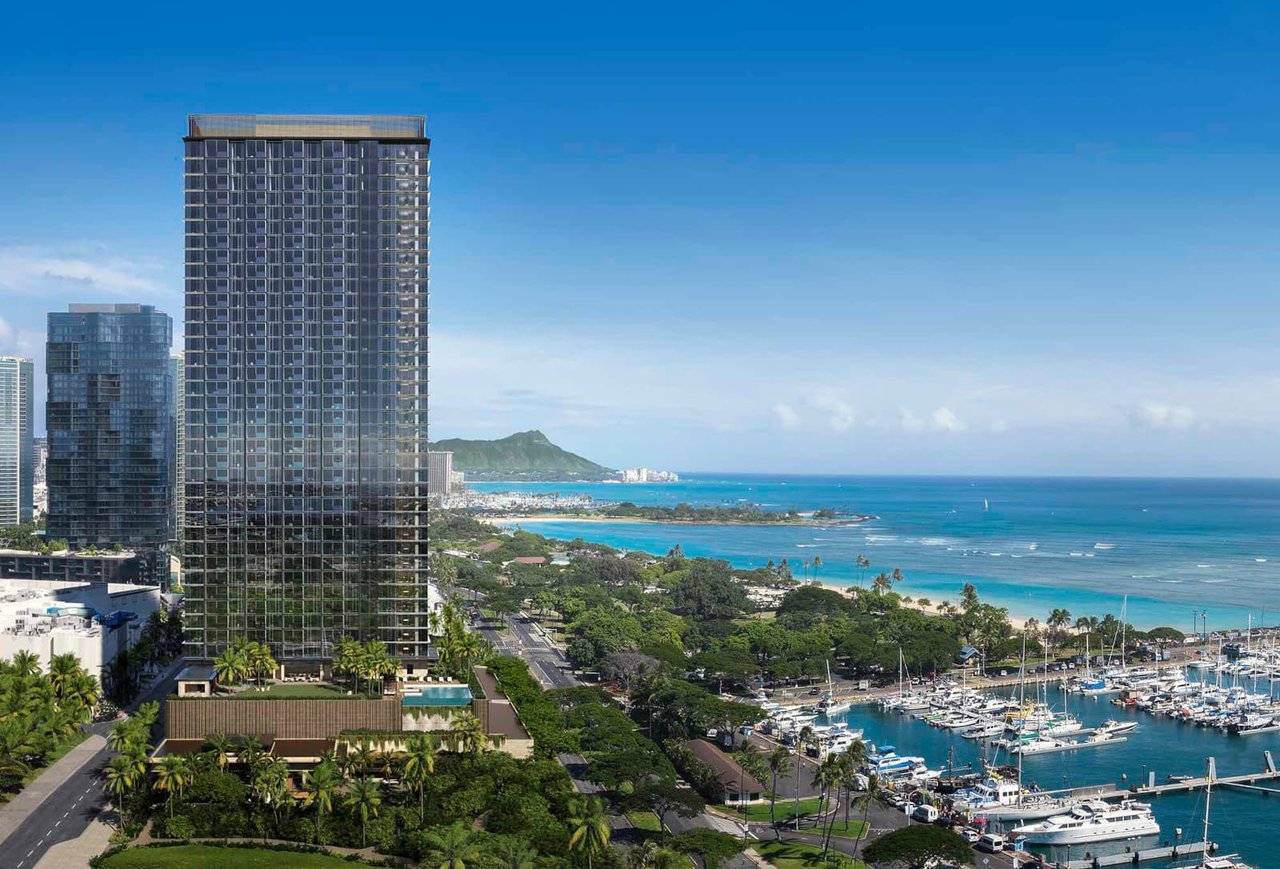
590 Farrington Hwy #537 Kapolei HI 96707
590 Farrington Hwy #537 Kapolei HI 96707