Welcome to
is the cultural, economic, and lifestyle center of Hawai‘i. It is a city defined by contrast—where oceanfront towers meet historic neighborhoods, and where modern urban living coexists with deep-rooted island traditions. Honolulu is not a single experience, but a collection of interconnected districts that together form the most dynamic residential market on O‘ahu.
The city’s history plays a quiet but important role in its character today. Originally developed around its natural harbor, Honolulu became the seat of government, commerce, and international trade in the islands. That early importance shaped its growth outward from Downtown, with residential areas expanding into nearby valleys and along the coast. As tourism, military presence, and global investment increased over the decades, Honolulu evolved into a dense, vertical city framed by the Pacific Ocean and the Koʻolau mountain range.
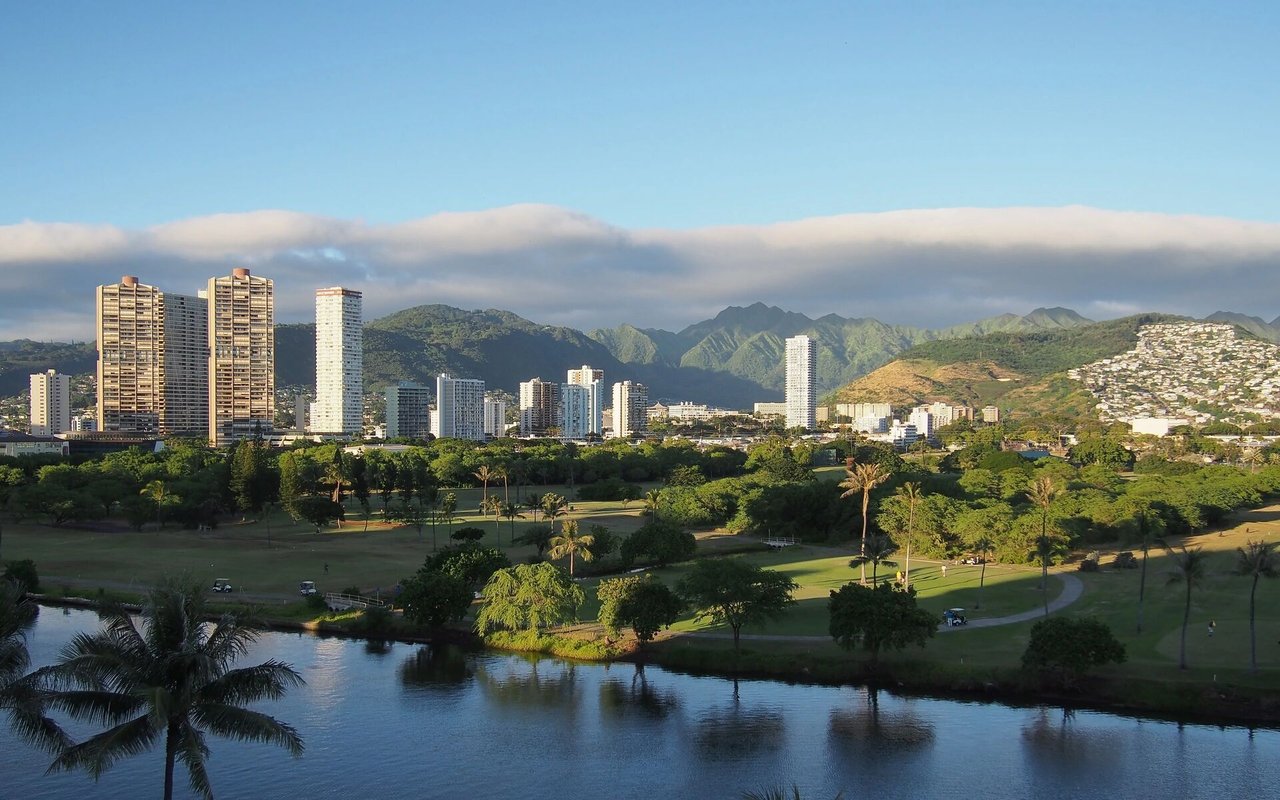
Geographically, Honolulu is striking. The city sits on a narrow coastal plain, with neighborhoods rising quickly into the hills and valleys behind it. This creates dramatic elevation changes and constant visual connection to the ocean, city skyline, and mountains. In many areas, homes enjoy cooling tradewinds, lush greenery, and views that feel removed from the city below, even though they are only minutes away.
Lifestyle in Honolulu is centered on proximity. Beaches, parks, dining, and employment hubs are woven into everyday life. Residents often start their mornings with ocean walks, surf sessions, or coffee by the water before heading into the city. Even in the most urban areas, the outdoors is always present—through views, breezes, and easy access to shoreline and trails. The pace is active and connected, yet still grounded in the rhythms of island life.
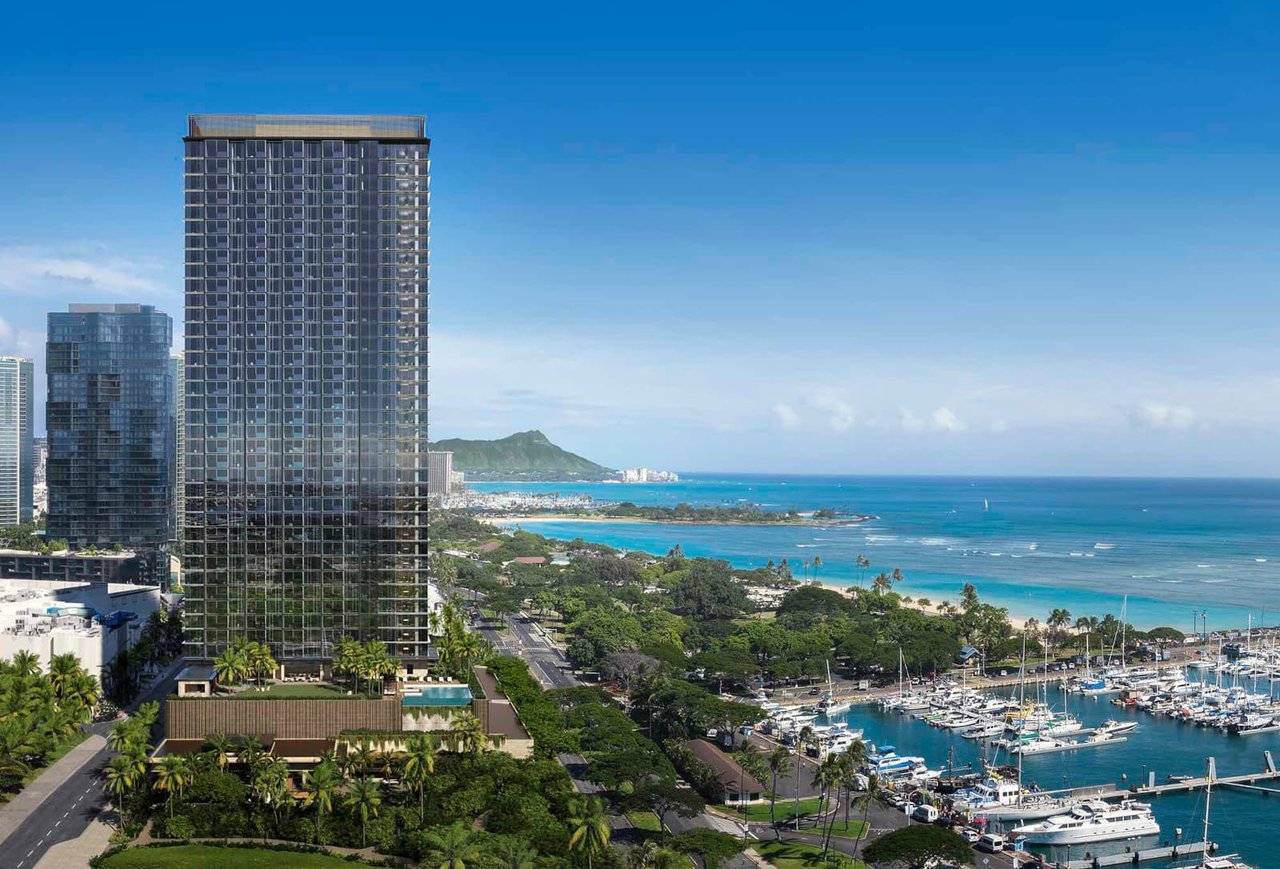
Housing in Honolulu is predominantly condominium-based, particularly in areas such as Waikīkī, Kaka‘ako, Ala Moana, and Downtown. These neighborhoods feature a wide range of high-rise and mid-rise buildings, from older, well-established towers to newer luxury developments with modern architecture and full-service amenities. Many newer buildings emphasize walkability, resort-style living, and panoramic views, appealing to buyers seeking convenience, security, and a lock-and-leave lifestyle.
Single-family homes are found throughout Honolulu but are more common in neighborhoods like Mānoa, Makiki, Nu‘uanu, Palolo, and along the slopes near Diamond Head. These areas tend to feel more residential and established, with tree-lined streets, older homes, and a greater sense of separation from the city’s density. Home styles range from early plantation-era houses and mid-century designs to extensively renovated and custom-built residences. Lot sizes are generally modest, reflecting the city’s long development history and limited land.
Architecturally, Honolulu is layered rather than uniform. Concrete high-rises sit alongside walk-up condos, classic island homes, and contemporary luxury residences. Many properties prioritize indoor-outdoor living, featuring lanais, large windows, and layouts designed to capture light and airflow. Even in denser neighborhoods, thoughtful design plays a key role in livability.
Walkability is a defining feature in several parts of the city. Ala Moana and Kaka‘ako are known for their pedestrian-friendly streets, access to beaches, dining, shopping, and open space. Downtown and Chinatown offer a more traditional urban environment with historic buildings, offices, restaurants, and nightlife. Waikīkī, while internationally known as a resort destination, also functions as a full-time residential area with a strong condo ownership presence.
Green space remains an important counterbalance to the density. Ala Moana Beach Park serves as the city’s central outdoor gathering place, while nearby Diamond Head and valley trails provide hiking and recreation. Even hillside neighborhoods often feel cooler and quieter, with mature landscaping and mountain backdrops that soften the urban setting.
From a real estate perspective, Honolulu is shaped by scarcity and demand. With limited land and strict development boundaries, new housing is largely vertical, making location, view corridors, and building quality especially valuable. The buyer pool is diverse, including local residents, professionals, second-home owners, and international buyers, all drawn to Honolulu’s role as the heart of Hawai‘i.
Honolulu appeals to those who value connection—to the ocean, to culture, and to everyday convenience. Whether it’s a modern condo overlooking the shoreline or a tucked-away home in a historic valley, the city offers a refined blend of urban living and island environment that is unmatched elsewhere in the state.
There's plenty to do around Honolulu, including shopping, dining, nightlife, parks, and more. Data provided by Walk Score and Yelp.
Explore popular things to do in the area, including ABC Stores, Smart Karate, and Abs'solute Results Personal Training.
| Name | Category | Distance | Reviews |
Ratings by
Yelp
|
|---|---|---|---|---|
| Dining | 2.92 miles | 5 reviews | 4.6/5 stars | |
| Active | 1.75 miles | 11 reviews | 5/5 stars | |
| Active | 2.74 miles | 7 reviews | 5/5 stars | |
| Active | 1.88 miles | 14 reviews | 5/5 stars | |
| Active | 2.88 miles | 11 reviews | 4.8/5 stars | |
| Active | 3.53 miles | 4 reviews | 5/5 stars | |
| Active | 2.45 miles | 50 reviews | 4.6/5 stars | |
| Active | 2.23 miles | 7 reviews | 4.6/5 stars | |
| Beauty | 2.13 miles | 5 reviews | 5/5 stars | |
| Beauty | 2.51 miles | 16 reviews | 5/5 stars | |
| Beauty | 3.01 miles | 6 reviews | 5/5 stars | |
| Beauty | 2.3 miles | 16 reviews | 4.9/5 stars | |
| Beauty | 2.14 miles | 9 reviews | 4.9/5 stars | |
| Beauty | 2.37 miles | 4 reviews | 5/5 stars | |
| Beauty | 2.94 miles | 4 reviews | 5/5 stars | |
| Beauty | 2.37 miles | 4 reviews | 5/5 stars | |
| Beauty | 2.95 miles | 4 reviews | 5/5 stars | |
| Beauty | 2.63 miles | 4 reviews | 5/5 stars | |
|
|
||||
|
|
||||
|
|
||||
|
|
||||
|
|
||||
|
|
590 Farrington Hwy #537 Kapolei HI 96707
590 Farrington Hwy #537 Kapolei HI 96707