Every kamaʻāina knows what "try wait" means. It's what you say when the food's not ready, when the line's too long, when somebody's rushing you and the answer is just hold on. Be patient. It'll come.
About ten years ago, a handful of families on the Big Island took that little phrase and turned it into one of the boldest experiments in the islands. Last week, we finally got to see how it turned out.
A Reef Holds Its Breath for Ten Years
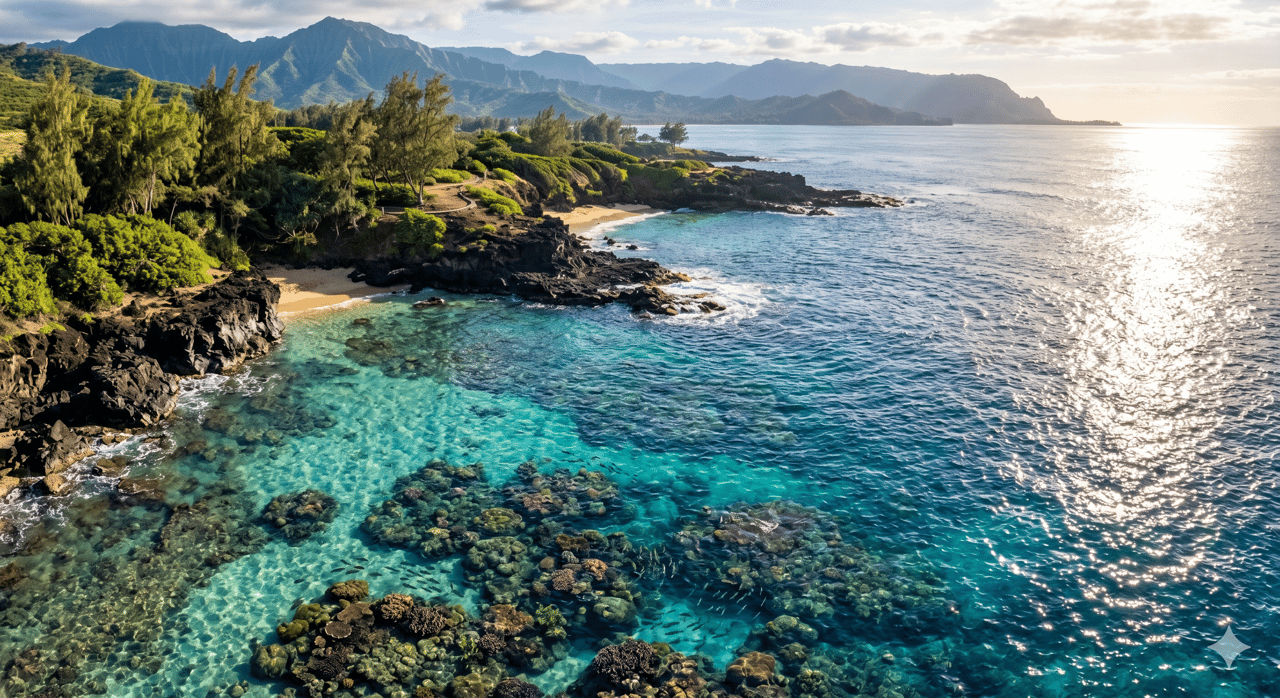
Back in June 2016, a 3.6-mile stretch of shoreline at Kaʻūpūlehu and neighboring Kūkiʻo, on the Kona Coast, was closed to all fishing. No poles, no nets, no gathering, nothing. The community called it Try Wait — a full moratorium, the only one of its kind in Hawaiʻi, enforced by the state but driven by local families who remembered when those waters were full.
Because they hadn't always been. Decades of development and more and more people in the water had stripped the place bare. Elders remembered reefs thick with surgeonfish, crab, squid, lobster and ʻopihi. By the time Try Wait started, a lot of that was just memory.
So they waited. Ten years.
And it worked. Fish biomass at the Kaʻūpūlehu reserve grew to more than double what you'd find in similar spots up the coast, according to researchers at the Hawaiʻi Institute of Marine Biology who logged close to 1,500 dive surveys over 17 years. The fish didn't stay put inside the line, either. They spilled over into the waters next door. One longtime resident summed it up at a hearing this spring: the reefs feel alive again.
The ATM and the Icebox
Here's the hard part. A place that healthy becomes a target.
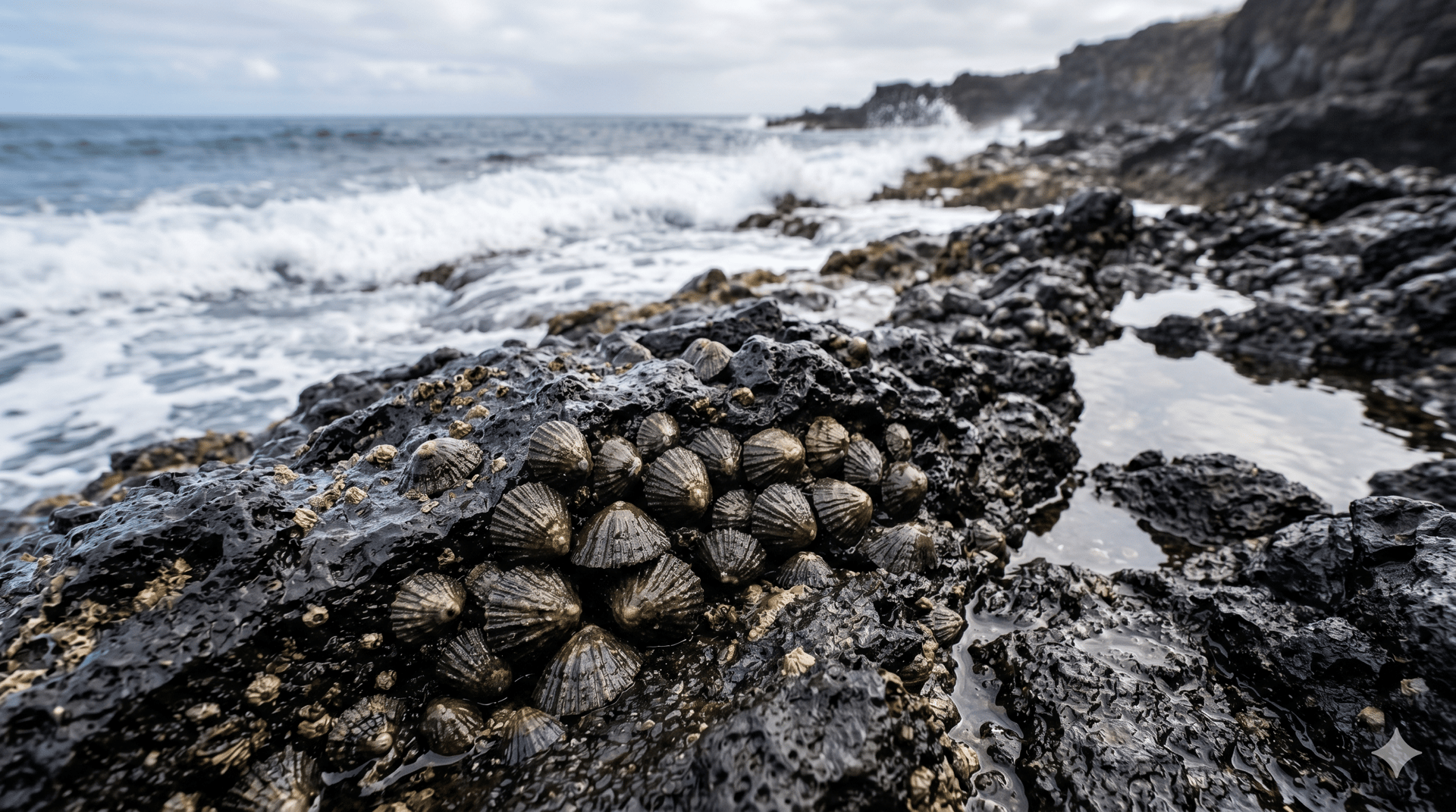
In September, three men pulled 4,068 ʻopihi off the rocks at Kaʻūpūlehu and loaded them onto a boat. A volunteer with Makai Watch spotted them, enforcement officers tracked the boat for hours, and that night volunteers tried to press the snails back onto the rocks by hand. Most didn't make it.
The woman who runs the nonprofit managing those waters said something that stuck with me. People who don't respect a place, she said, treat it like an ATM instead of the icebox that it is. One you drain. The other you keep stocked, and you take what you need when you need it.
That's really the whole thing. The difference between a place that lasts and a place that gets used up is whether the people around it understand which one they're standing in front of.
Closer to Home Than You'd Think
That's the Big Island. But if you live here on Oʻahu, you already know this story. We're just living a busier version of it.
We have more people packed onto less shoreline than anywhere else in the state, and the reefs we love are the ones taking the most pressure. It's why spots like Hanauma Bay and Pūpūkea on the North Shore got protected in the first place, and why crews keep showing up to pull invasive algae out of Maunalua Bay and rebuild the old fishpond at Heʻeia in Kāneʻohe. Same instinct as Try Wait, scaled up to a town of a million people: take care of the thing, or watch it disappear.
And it matters for anyone deciding where to put down roots out here. The view off your lānai isn't really the asset. The asset is a coastline that still works, where you can still fish, still take the keiki holoholo, still gather a little for dinner without cleaning the place out. That's the lifestyle people move here for, and it only survives if the folks living next to it understand it.
What We're Really Waiting For
The Kaʻūpūlehu waters still haven't reopened. The community asked the state to slow down, get the catch limits right, and protect at least 75% of what a decade of patience built. When fishing does come back, it'll take a free permit and a lot of self-control.
It's a funny kind of patience, try wait. You're not waiting for something to be handed to you. You're waiting on yourself, to take a little less, leave a little more, think about the next person down the beach and the keiki who'll be standing there in twenty years.
That's not only a Big Island lesson. That's how you live somewhere worth living. We just happen to have the best seat in the house to learn it.