We all know the drill when a Kona low rolls in. The skies open up, the roads turn into rivers, and suddenly everyone is checking their yard drainage. The recent severe flooding, landslides, and mudslides from the Kona low storms hit areas like Hale‘iwa and Waialua particularly hard. Now, the paperwork is catching up with the weather. Starting June 10, the Federal Emergency Management Agency (FEMA) is rolling out updated flood maps for O‘ahu. For many local homeowners, this means a brand-new requirement to carry flood insurance.
Here is what you need to know about the changing map, what it will cost you, and the deadlines you need to watch.
The Big Picture: Who is Affected?
The new maps are shifting an additional 3,700 O‘ahu properties into special flood hazard areas. This designation means these specific properties now have a 1% annual chance of flooding, which is a significant jump from the 0.2% chance assigned to properties outside these hazard zones.
If you are a homeowner, condominium association, or commercial business owner with a federally backed mortgage on one of these newly designated properties, you will be required to obtain flood insurance through the National Flood Insurance Program (NFIP).
On the flip side, roughly 450 parcels are actually moving out of a hazard area, meaning those owners will no longer be federally mandated to carry the coverage. If you own your property free and clear without a lien, the government cannot force you to buy flood insurance, though local mortgage experts still highly recommend having it.
Neighborhood Impacts
So, where is the map changing? Dozens of homes in Niu Valley are now considered a flood risk and will need to carry insurance, while dozens of properties in ‘Āina Haina are actually moving out of the flood zone.
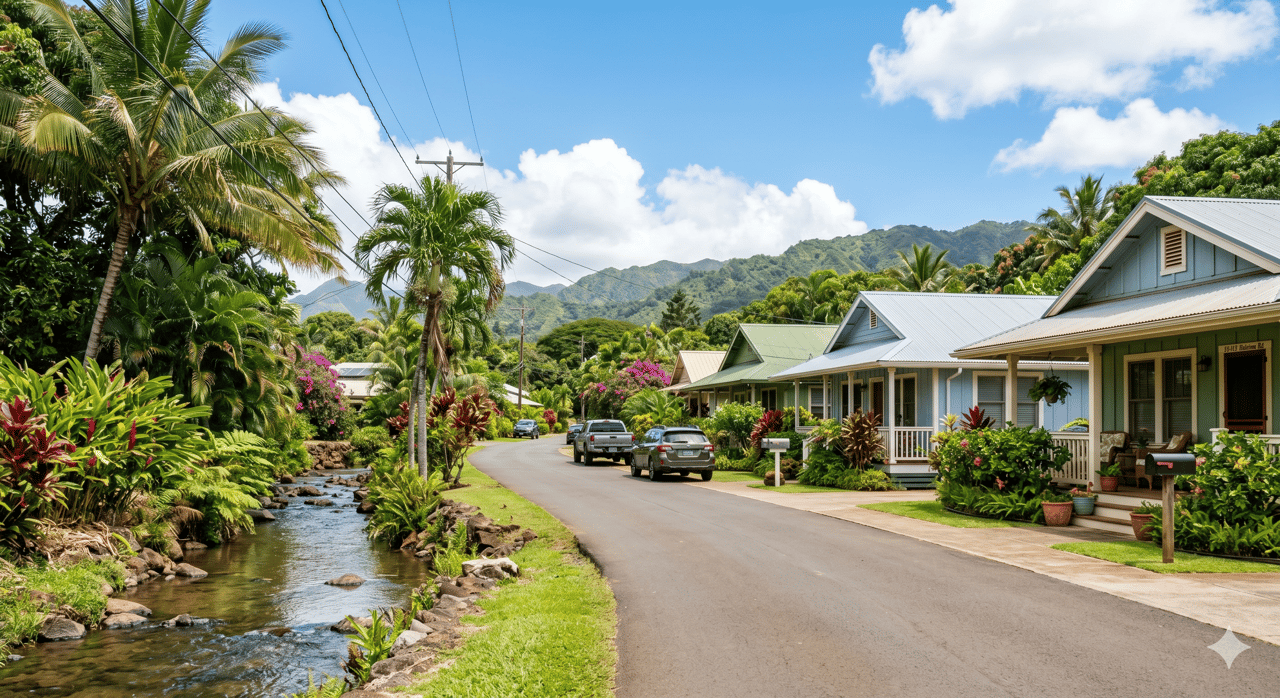
Out on the North Shore, streams in Hale‘iwa and Waialua are now designated in a special flood hazard area on the new map, triggering the insurance requirement for mortgaged properties. Victor Brock, secretary for the Mortgage Bankers Association of Hawaii, noted an irony here: many properties in Hale‘iwa and Waialua were previously in "green" areas—meaning no mandatory insurance—but still ended up flooding during the recent storms anyway.
What It Means for Your Wallet
Let's talk numbers, because the cost of living in Hawai‘i is already a balancing act. Properties that were already in flood zones, such as oceanfront homes, shouldn't see a change in their premiums unless their actual zone designation shifts. Owners of those oceanfront properties could be paying anywhere from $8,000 to $9,000 a year for flood insurance.
The folks feeling the newest pinch are those further inland. If your home is more inland, you can expect to pay around $1,200 a year, or $100 per month. While $100 a month might not sound like a life-altering amount to everyone, Sue Savio, president of Insurance Associates Inc., pointed out that for a retiree or a single parent, that extra cost is tough.
Condos Aren't Exempt
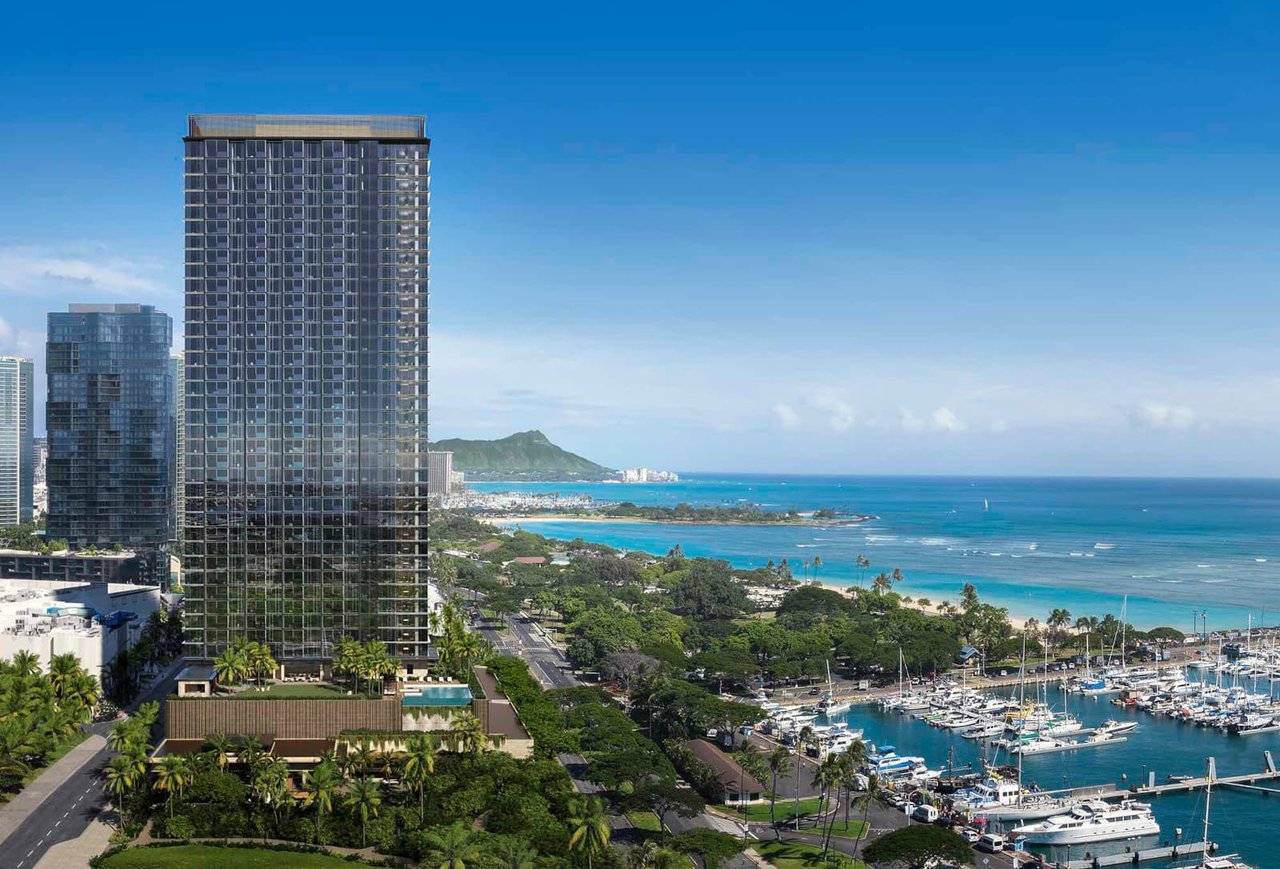
It’s not just single-family homes taking the hit. Condominium associations are also impacted. For example, a downtown Honolulu condo building valued at $198.3 million was recently remapped into a hazard area. They are purchasing $99 million of coverage, which comes with an annual premium of $130,930.
Split among the 396 units in the building, that’s an extra $28 per month added to their maintenance fees. Anyone living in a condo knows associations have already been battered over the past few years with rising fees for hurricane insurance and delayed maintenance. Adding flood insurance is just one more line item pushing typical monthly fees higher.
Coverage Limits and Deadlines
If you are relying on the NFIP, keep in mind there are maximum coverage rates. The program caps payouts for flood damages at $250,000 for residential properties and $500,000 for commercial ones. If your property needs more coverage than that, you will have to shop around in the private insurance market.
The clock starts ticking soon. On June 10, mortgage lenders will begin sending out letters to homeowners in hazard areas to notify them of the new insurance requirement. Once you receive that letter, you have 45 days to purchase a policy.
Do not ignore this letter. If you fail to purchase flood insurance, your lender will "force place" it and add the cost to your mortgage. The cost is the same whether you buy it or the lender force-places it within those 45 days. If you end up buying your own policy after the 45 days, the lender can reverse their policy and give you a partial refund. However, because it isn't exactly prorated on a per-day basis, it is in your best interest to get the policy handled within that 45-day window.
Living in paradise means respecting the elements. Take a moment to check the new FEMA maps, talk to your insurance agent, and make sure your home—and your budget—is protected.