Trying to decide between a brand-new Kakaʻako condo and a resale unit? It is a smart question, because in this part of Honolulu, you are not just comparing square footage and finishes. You are also comparing building history, association health, insurance details, and how much uncertainty you are comfortable with. If you want a clear way to weigh both paths, this guide will walk you through the tradeoffs so you can make a confident move. Let’s dive in.
Why Kakaʻako draws condo buyers
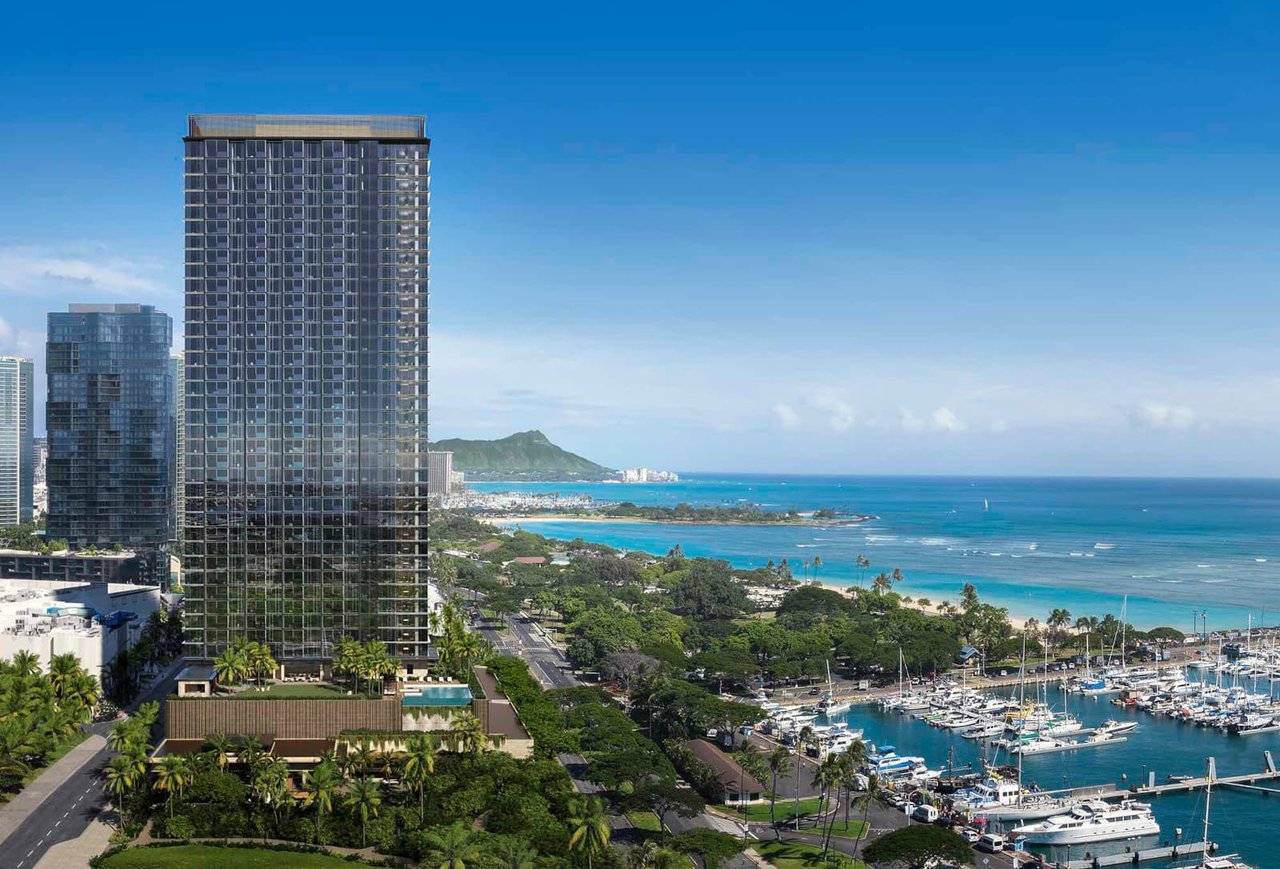
Kakaʻako sits in one of Honolulu’s most urban coastal settings, with many of the newest condo options centered around Ward Village. Ward Village describes the area as a 60-acre master-planned district with parks, bike paths, public art, retail, dining, and residential towers near Ala Moana Beach Park.
For buyers, that means your decision is often about more than the unit itself. You are also buying into a certain lifestyle pattern that may include walkability, newer amenities, shared open space, and convenient access to nearby services and recreation.
It also helps to keep pricing in perspective. Oʻahu condo resales posted a median sales price of $520,000 in May 2026, but that is an islandwide number, not a Kakaʻako-specific benchmark. In practice, Kakaʻako’s newer towers generally sit in a higher-amenity urban tier than that islandwide median.
New tower vs resale basics
At a high level, a new tower purchase usually appeals to buyers who want newer finishes, current design, and extensive shared amenities. A resale purchase usually appeals to buyers who want to review a building’s actual track record before committing.
Neither option is automatically better. The right fit depends on what matters most to you, your timeline, and how you like to evaluate risk.
What new towers often offer
Newer Kakaʻako towers often stand out for amenity depth and fresh common areas. Ward Village examples include features such as sky decks, fitness and yoga space, pools and spas, private cabanas, event rooms, guest suites, dog parks, and landscaped open areas.
If you value a polished, move-in-fresh environment, that can be a big advantage. You may also like the feel of being one of the first owners to live in the unit and use the building’s shared spaces.
What resale units often offer
A resale condo gives you something new construction cannot fully provide before closing, which is real operating history. The association’s budgets, reserve information, house rules, meeting records, and management patterns already exist.
That can make your decision more grounded in facts. Instead of relying mainly on plans and projections, you can review how the building has actually performed over time.
What you are really comparing
When buyers compare a new Kakaʻako tower with a resale, the conversation often starts with finishes and amenities. That matters, but it should not stop there.
A better comparison includes:
- Monthly maintenance costs
- Reserve funding
- Insurance structure
- House rules
- Flood-zone considerations
- Special assessment risk
- Warranty coverage
- Building completion timing
- The difference between projected performance and proven performance
If you focus only on the kitchen, view, and amenity deck, you may miss the details that shape your long-term ownership experience.
Why new-construction paperwork matters in Hawaiʻi
In Hawaiʻi, new condo purchases are highly document-driven. Under Chapter 514B, the developer’s public report must spell out key facts such as fees, warranties, and development rights before the sale is binding.
That report must also include a description of warranties for the unit and common elements, including when those warranties begin and end, or a statement that no warranties exist. It must also state the construction completion deadline, available remedies if work is not finished on time, and a declaration that the project complies with county zoning, building ordinances, and permitting requirements.
For you, this means a new-tower purchase should never feel like a leap of faith. The paperwork is there to help you understand what is being delivered, what protections exist, and what rights you have before you are fully committed.
The 30-day cancellation window
One important difference in a new-condo purchase is the cancellation period. A developer sale is not binding until you receive the public report and the statutory 30-day cancellation notice, and you may cancel up to midnight of the 30th day after those required items are delivered.
That window matters because it gives you time to review documents carefully. If you are comparing towers, financing options, or timing concerns, that review period can be one of your most valuable protections.
Deposits and completion timing
If a contract is signed before construction is complete, it must include a completion deadline. Buyer deposits must be placed in escrow with a licensed depository, and any pre-closing disbursement can happen only under the conditions allowed by Hawaiʻi law.
From a buyer’s point of view, this is another reason to slow down and read every timeline closely. In a new tower, the delivery schedule is part of the decision, not just a background detail.
Why resale due diligence can feel more concrete
With a resale condo, your due diligence usually centers on what already exists. The seller must provide a disclosure statement within six months before or ten calendar days after contract acceptance, and if new material facts arise before recordation, the seller must amend that disclosure.
If an updated disclosure reveals a material fact you did not already know, you get a 15-day rescission window. That structure gives resale buyers a clearer view into the unit’s known condition and any material updates before closing.
Just as important, the building itself already has a lived-in record. You can review budgets, meeting minutes, reserve information, and rules that affect day-to-day ownership.
Association documents matter more than buyers expect
Whether you buy new or resale, condo documents can tell you just as much as the unit tour. In many cases, they tell you more.
You should ask for:
- Declaration
- Bylaws
- House rules
- Current budget
- Reserve study
- Insurance information
- Recent meeting minutes
- Management contract
- Pending amendments
- Any special assessment information
Under Hawaiʻi law, owners and authorized agents can access association records, and the association generally has 30 days to respond to a written records request.
Reserve funding deserves close attention
Reserve funding is one of the most important building-health indicators. Hawaiʻi law requires budgets to include reserve-study information, including estimated replacement reserves, the amount needed for the fiscal year, and whether the plan is percent-funded or cash-flow based.
The association must fund at least 50% of estimated replacement reserves, or 100% if it uses a cash-flow plan. For you, that means reserve numbers are not just accounting trivia. They can affect future maintenance fees, repair planning, and the risk of special assessments.
Insurance and flood questions in Kakaʻako
Kakaʻako’s coastal setting adds another layer to the decision. Buyers should confirm the building’s flood-zone status, the association’s master insurance policy, deductibles, and any lender-driven insurance requirements before choosing between a new tower and a resale.
This is especially important because revised FEMA Flood Insurance Rate Maps are scheduled to take effect on June 10, 2026, and updated maps can affect insurance requirements. A beautiful location near the coast can come with extra insurance questions, so it is wise to get answers early.
What the association usually insures
Unless the declaration states otherwise, the association must maintain property insurance on the common elements at full insurable replacement cost. Hawaiʻi law also requires commercial general liability insurance of at least $1,000,000, a fidelity bond, and directors-and-officers liability coverage, with flood insurance required if the property is in a special flood hazard area.
For buyers, the key takeaway is simple. Do not assume all buildings carry the same coverage structure or deductible exposure. Ask for the details and review them before you get too far down the road.
Older resale building or conversion?
If you are considering an older Kakaʻako resale, ask whether the project was a conversion. That matters because Chapter 514B requires added disclosures for conversion projects about the present condition of structural, mechanical, and electrical systems, along with any unresolved code issues.
That does not mean a conversion is a bad choice. It simply means you should review the building’s condition disclosures carefully so you understand what you are buying and how it compares with a brand-new tower.
A simple way to choose
If you are torn, try framing the decision around your comfort with freshness versus proof.
A new tower may fit you best if you want:
- Newer finishes
- Large amenity spaces
- Warranty-related protections
- A newly built common-area environment
- A lifestyle centered around newer urban development
A resale may fit you best if you want:
- A building with operating history
- Existing budgets and reserve data
- Known house rules and management patterns
- More visibility into real-world insurance and maintenance issues
- Less reliance on projected performance
Final thoughts for Kakaʻako buyers
In Kakaʻako, the choice between a new tower and a resale is not just about which condo looks better on showing day. It is about how you weigh amenities, timing, warranties, reserve funding, insurance, and the comfort of a proven track record.
The good news is that both paths can be strong choices when the documents support the purchase and the building fits your goals. If you want help comparing towers, reviewing resale options, or building a strategy around financing and timing, The Ulu Team is here to guide you with clear, local advice.
FAQs
Should you buy a new condo in Kakaʻako or a resale unit?
- It depends on what you value more: newer finishes, amenities, and warranty-related protections, or a building’s actual operating history, reserve data, and established rules.
What documents should you review before buying a Kakaʻako condo?
- You should review the declaration, bylaws, house rules, budget, reserve study, insurance information, recent meeting minutes, management contract, pending amendments, and any special assessment information.
What is the public report for a new Hawaiʻi condo purchase?
- The public report is a required disclosure document that outlines material facts such as fees, warranties, development rights, completion deadlines, and other important project details before the sale becomes binding.
Does a new condo purchase in Hawaiʻi have a cancellation period?
- Yes. After you receive the required public report and 30-day cancellation notice, you may cancel up to midnight of the 30th day.
Why do reserve funds matter when buying a Kakaʻako condo?
- Reserve funds help cover major future repair and replacement costs, and they can affect maintenance fees, long-term building upkeep, and the likelihood of special assessments.
Why should Kakaʻako condo buyers ask about flood insurance?
- Because Kakaʻako is in a coastal area, updated flood maps and a building’s flood-zone status can affect insurance requirements, deductibles, and lender conditions.