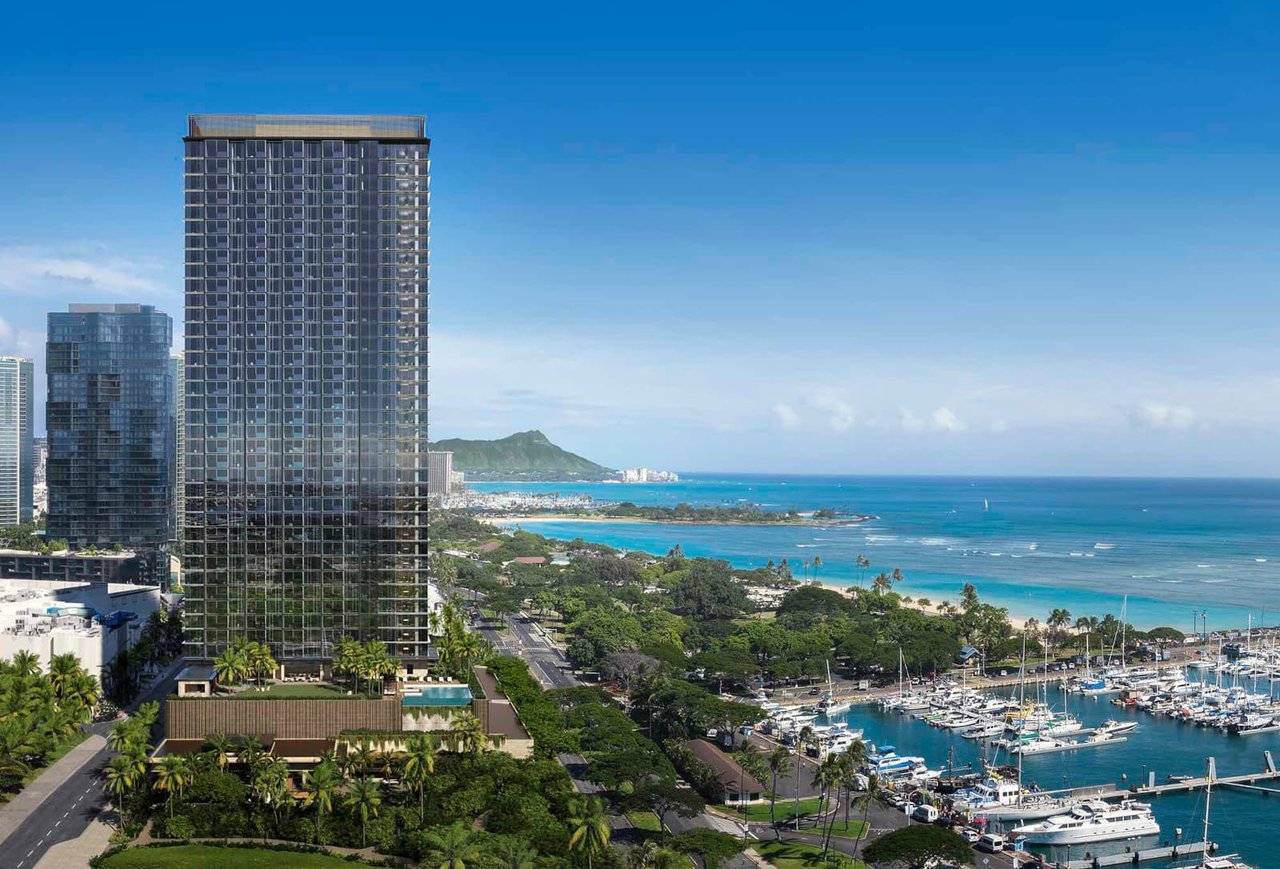
Wondering whether a Honolulu condo or house is the better fit? You are not alone. For many buyers, especially relocation buyers and first-time buyers, the choice comes down to more than price. It shapes your daily routine, your monthly budget, and how you want to live on Oʻahu. In this guide, you will see how condos and single-family homes compare in Honolulu so you can make a decision that fits your lifestyle. Let’s dive in.
Honolulu Costs Start the Conversation
In Honolulu, the price gap between condos and houses is hard to ignore. According to April 2026 data from the Honolulu Board of REALTORS®, the median sale price was $500,000 for condos and $1,150,000 for single-family homes. That means the typical house cost about $650,000 more than the typical condo.
For many buyers, that difference is the first major reset. If you are moving from the mainland or trying to balance a down payment with monthly payments, a condo may open the door to homeownership sooner. A house may offer more space and control, but it usually comes with a much higher cost of entry.
Recent market pace also shows a difference. In March 2026, the median days on market were 21 for single-family homes and 43 for condos. That suggests houses were moving faster than condos at that time, which can matter if you are trying to time your search or compare negotiating room.
Entry-Level Condo Options Are Real
Honolulu condos are not limited to luxury towers. The Honolulu Board’s March 2026 report said nearly half of condo sales happened in the $300,000 to $599,999 range. That gives many buyers a broader set of entry points than they may expect.
If you are financing-sensitive or buying for the first time, that range can make condos worth a serious look. It does not mean every condo is affordable for every budget, but it does show that the condo market includes more than just high-end inventory.
Monthly Ownership Costs Work Differently
The purchase price is only part of the story. In Honolulu, your monthly housing cost can change a lot depending on whether you buy a condo or a house.
For owner-occupied homes, Honolulu’s residential property tax rate is $3.50 per $1,000 of net taxable value, and the home exemption removes $100,000 of assessed value from a principal residence. Using purchase price as a rough example, that works out to about $1,400 per year on a $500,000 condo and about $3,675 per year on a $1,150,000 house before assessed-value differences are applied.
That said, tax classification matters. If a property is not owner-occupied, Honolulu’s Residential A class uses higher tiered rates of $4.00 per $1,000 up to $1,000,000 of net taxable value and $11.40 per $1,000 above that. If you think you may later use the property as a second home or rental, that potential shift belongs in your planning.
Condo Fees Add a Different Budget Layer
Condos usually bring lower direct exterior maintenance, but they also come with association fees. Hawaii’s condo guidance makes clear that monthly assessments help fund reserves and common expenses such as maintenance and repair of common elements. Condo owners are still responsible for their own unit’s interior surfaces.
This is where condo budgeting needs extra care. A lower purchase price can help with financing, but monthly fees, reserve funding, and possible special assessments are part of the real cost of ownership. If you are comparing a condo to a house, it helps to look at the full monthly picture, not just the mortgage.
Lifestyle Tradeoffs Matter Every Day
Price may get your attention, but lifestyle usually decides the winner. A condo and a house can feel very different once you actually live there.
A condo often fits buyers who want a more lock-and-leave routine. You may have less direct responsibility for exterior upkeep and common-area maintenance. In Honolulu, condos are also more commonly tied to central, denser parts of town where access and convenience are big parts of the appeal.
A single-family home often fits buyers who want more privacy, more physical separation, and more control over the property itself. You may have more room to spread out, more outdoor space, and fewer shared walls. In return, you usually take on more maintenance and a higher purchase price.
Condos Often Mean Convenience
Honolulu’s planning documents describe central neighborhoods such as Kakaʻako, McCully-Mōʻiliʻili, Waikīkī, Makiki, and nearby areas as medium- and higher-density places served by major east-west highways and express public transit. Waikīkī and Downtown are also identified as high-pedestrian-activity areas.
That supports a simple lifestyle takeaway. If you want central access, easier walkability, and proximity to dining, shopping, beaches, or activity hubs, a condo may line up well with your goals. If your ideal day includes being close to the action, condo living can make a lot of sense.
Houses Often Mean Space and Separation
The city’s Primary Urban Center plan describes areas such as Mānoa Valley as lower-density residential areas. It notes that established single-family neighborhoods typically have low building height, low lot coverage, and landscaped yards on all sides.
That points to a different kind of everyday experience. If you value yard space, storage, privacy, and more direct control over your surroundings, a house may be the better fit. You are usually paying more for that separation, but for many buyers, that is exactly the point.
Honolulu Neighborhood Patterns Can Guide You
In Honolulu, the condo-versus-house question is often tied to where you want to live. Some parts of town naturally lean one way, while others offer more of a mix.
Kakaʻako is described by the Hawaii Community Development Authority as a former warehouse area being redeveloped into a vibrant pedestrian-oriented urban community. Waikīkī is described by GoHawaii as Oʻahu’s main hotel and resort area with shopping, dining, entertainment, beaches, and nightlife. In practical terms, both areas are strong examples of where condo living aligns with the surrounding environment.
Downtown, parts of McCully-Mōʻiliʻili, and Makiki also fit the central, denser pattern. If your priority is convenience and urban access, those kinds of locations often support condo living well.
Valley and Ridge Areas Often Favor Houses
Single-family homes are often a cleaner lifestyle match in lower-density valley and ridge neighborhoods such as Mānoa Valley. The city’s planning language is useful because it shows that Honolulu is not simply urban versus suburban. It is often more accurate to think of it as dense central districts versus lower-density valley and ridge areas.
That distinction matters when you build your search. If you picture more space, a yard, and a quieter setting, neighborhoods with a lower-density pattern may feel more aligned with what you want from home.
Some Honolulu Areas Blur the Line
Not every neighborhood falls neatly into one category. The Primary Urban Center plan notes that lower Mānoa, McCully, and Kaimukī are close enough to H-1 that they were identified as candidates for future higher-density residential use.
That means some areas can offer a mix of housing types and a more flexible lifestyle choice. If you are torn between convenience and space, these blended areas may deserve a closer look.
How to Choose the Right Fit for You
If you are still deciding, it helps to ask a few simple lifestyle questions. Your best match is usually the one that supports how you want to live now and what you may need in the next few years.
A condo may be the better fit if you want:
- A lower purchase price than a typical single-family home
- A more central Honolulu location
- Walkability or easier access to activity hubs
- Less direct exterior maintenance
- A lock-and-leave setup
A single-family home may be the better fit if you want:
- More privacy and physical separation
- Yard space or more outdoor control
- More room for storage or day-to-day living
- Fewer shared elements
- More direct control over the property
Look Beyond the Mortgage Payment
One of the biggest Honolulu buying mistakes is comparing properties based only on principal and interest. In this market, the full cost picture matters.
Your real monthly budget may be shaped by property taxes, tax classification, whether you qualify for the $100,000 home exemption on a principal residence, and condo association fees or reserve funding. Looking at all of those together gives you a more honest view of what feels comfortable month to month.
The Best Honolulu Choice Is Personal
There is no one-size-fits-all answer in Honolulu. A condo can be a smart match if you want lower entry cost, central access, and a simpler day-to-day maintenance routine. A house can be a smart match if you want more privacy, more space, and more control, even with a higher price tag and more upkeep.
The key is to match the property type to your real lifestyle, not just a quick online comparison. If you want help weighing financing options, monthly costs, or which Honolulu areas fit your goals, The Ulu Team is here to guide you with local insight and practical support.
FAQs
What is the price difference between a Honolulu condo and house?
- In April 2026, the Honolulu Board of REALTORS® reported a median sale price of $500,000 for condos and $1,150,000 for single-family homes.
How do Honolulu condo fees affect monthly housing costs?
- Condo fees help cover reserves and common expenses such as maintenance and repair of common elements, so they should be included in your full monthly budget.
How do Honolulu property taxes compare for condos and houses?
- For owner-occupied homes, Honolulu’s rate is $3.50 per $1,000 of net taxable value, and the home exemption removes $100,000 of assessed value from a principal residence, which can change the effective tax bill.
Which Honolulu areas are more condo-oriented?
- Central and denser areas such as Kakaʻako, Waikīkī, Downtown, parts of McCully-Mōʻiliʻili, and Makiki are commonly associated with condo living.
Which Honolulu areas are more single-family-home oriented?
- Lower-density valley and ridge areas such as Mānoa Valley are more commonly associated with single-family homes and the lifestyle that comes with them.
Is a Honolulu condo or house better for relocation buyers?
- It depends on your priorities: condos often fit buyers who want central access and lower direct upkeep, while houses often fit buyers who want more privacy, yard space, and control over the property.