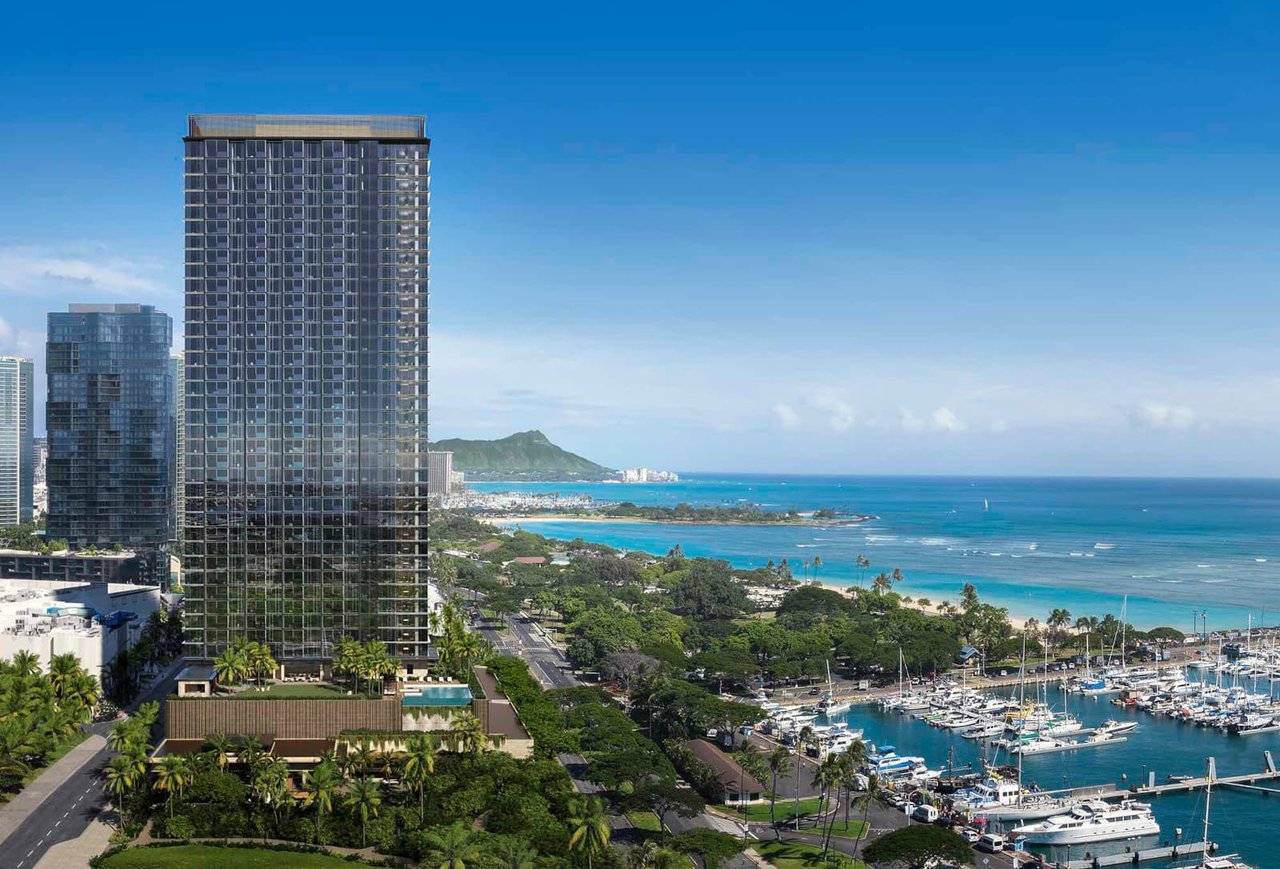
Living in Hawaiʻi, we all know that the land—our ʻāina—isn't just something we build houses on. It is the very lifeblood of everything we do. Whether you are stuck in H-1 traffic during the morning commute, looking out at the beautiful Koʻolau range from your lanai, or checking out new condo builds in Kakaʻako, there is a deep, unspoken connection to the environment around us.
Lately, there has been a lot of talk about sustainability in our local communities, especially when it comes to the long-term health of our islands. Decades of intensive agriculture, rapid development, changing weather patterns, and invasive species have taken a serious toll on our native ecosystems. But a homegrown movement is working hard to flip the script. Local organizations are blending ancestral Hawaiian knowledge with modern science to restore our native forests, and the ripple effects of this work touch everything from our drinking water to the long-term stability of local real estate.
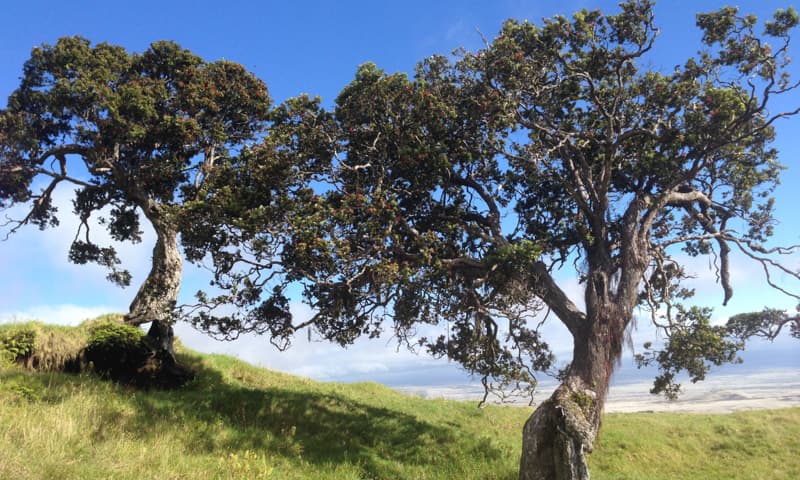
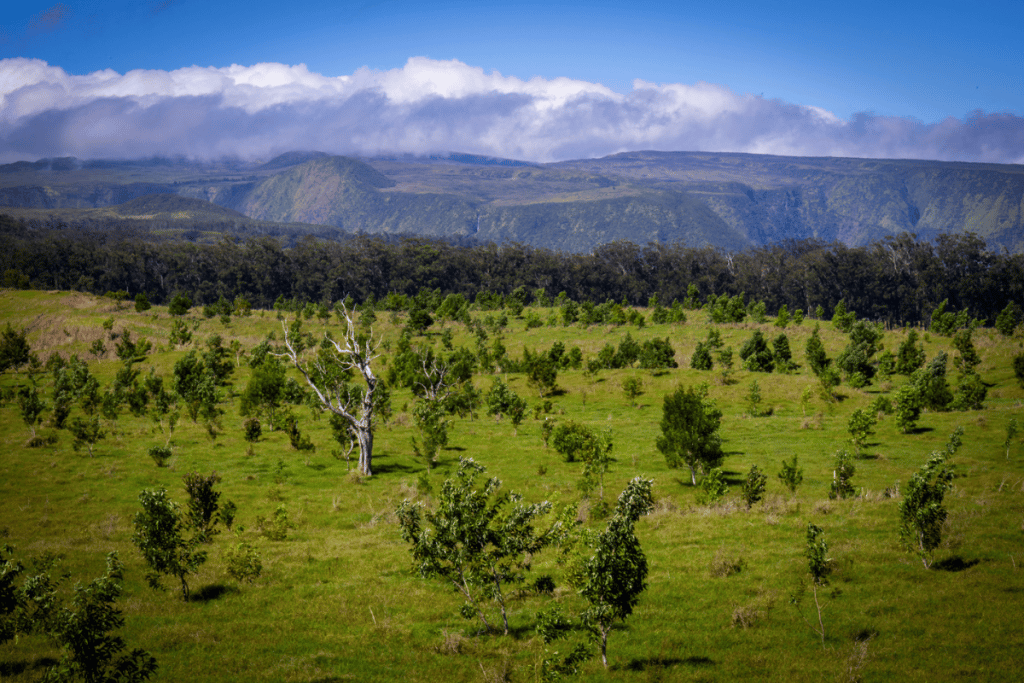
One of the most exciting initiatives making waves right now comes from Terraformation, an organization founded right here in the islands. They have partnered with local land stewards to tackle the massive job of forest restoration, starting with a deeply significant project on Hawaiʻi Island. They are currently focusing efforts on ʻIole, a massive 2,400-acre ahupuaʻa (traditional land division) in North Kohala. This historic area—the birthplace of King Kamehameha—stretches completely from mauka to makai. Today, it serves as a living laboratory where Native Hawaiian practitioners, researchers, and community members work side-by-side to bring back the native canopy.
You might wonder how a forestry project on the Big Island impacts someone looking to buy a townhome in ʻEwa Beach or a single-family home in Kailua. The answer lies in how our island ecosystems function.
Hawaiʻi’s native forests, particularly our native ʻōhiʻa lehua and koa trees, act like giant sponges. When heavy rains hit the mountains, these native canopies slow down the downpour, allowing water to seep gently into the ground rather than rushing down the hillsides. This process recharges our underground aquifers—which supply almost all of Oʻahu's fresh drinking water—while preventing massive soil erosion, mudslides, and flash flooding in low-lying residential areas.
When we lose our native forests, we risk our water security and increase the threat of wildfires and severe runoff. For anyone invested in local real estate, a healthy watershed is the ultimate insurance policy for our properties and our quality of life.
The beauty of Terraformation's approach is that it makes healing the land accessible to everyone through a digital tree subscription. Instead of needing acres of land or hours of free time for heavy clearing, residents and island lovers can fund the propagation, planting, and long-term care of native trees through a simple monthly or annual contribution.
But you don't have to look as far as North Kohala to see this impact in action—you can start right in your own backyard. In fact, I recently planted an ʻōhiʻa lehua tree at my own home in the Kapolei region.
Now, if you know the Ewa plain, you know it gets pretty hot and dry out here. A lot of people assume that ʻōhiʻa can only survive in the misty rainforests of Volcano or deep in the mountain ridges. But these trees are incredibly resilient. My Kapolei ʻōhiʻa is doing exceptionally well, and watching those vibrant blossoms pop against the leaves right in the middle of our growing suburban landscape is a constant reminder of how adaptable our native flora really is.
By choosing to plant a native, drought-tolerant tree instead of something thirsty and non-native, we can directly cut down on our water bills while restoring a piece of the island's original footprint.
As a community, we are seeing a major shift in how people view property ownership on Oʻahu. More than ever, local buyers and families moving back home want to know how their lifestyle impacts the island. Incorporating native plants into backyard landscaping or supporting large-scale reforestation has gone from a niche hobby to a core community value.
Caring for the ʻāina ensures that the neighborhoods we love today will still be vibrant, safe, and green for our keiki and kupuna decades down the road. It reminds us that being a homeowner in Hawaiʻi comes with a unique responsibility: we are not just buying a piece of real estate; we are becoming true stewards of an island home.
-Daniel Ulu