If you’ve driven past Hālawa recently, you’ve probably noticed the skyline looks a little... emptier. The old Aloha Stadium, our beloved "Rusty Giant" that hosted everything from high school state championships to Michael Jackson, is officially entering its demolition phase. But as the old steel comes down, Hawaii lawmakers are huddled in the locker room, drawing up a brand-new play for our economy.
A new bill moving through the Legislature is proposing a $350,000 study to see if Hawaii can become the next big MVP in the world of sports tourism. With the global sports economy projected to hit a staggering $3.7 trillion by 2030, the state is wondering if it’s time we traded in some of our "laid-back beach" marketing for a more "high-performance athlete" vibe.
Small Ball, Big Gains
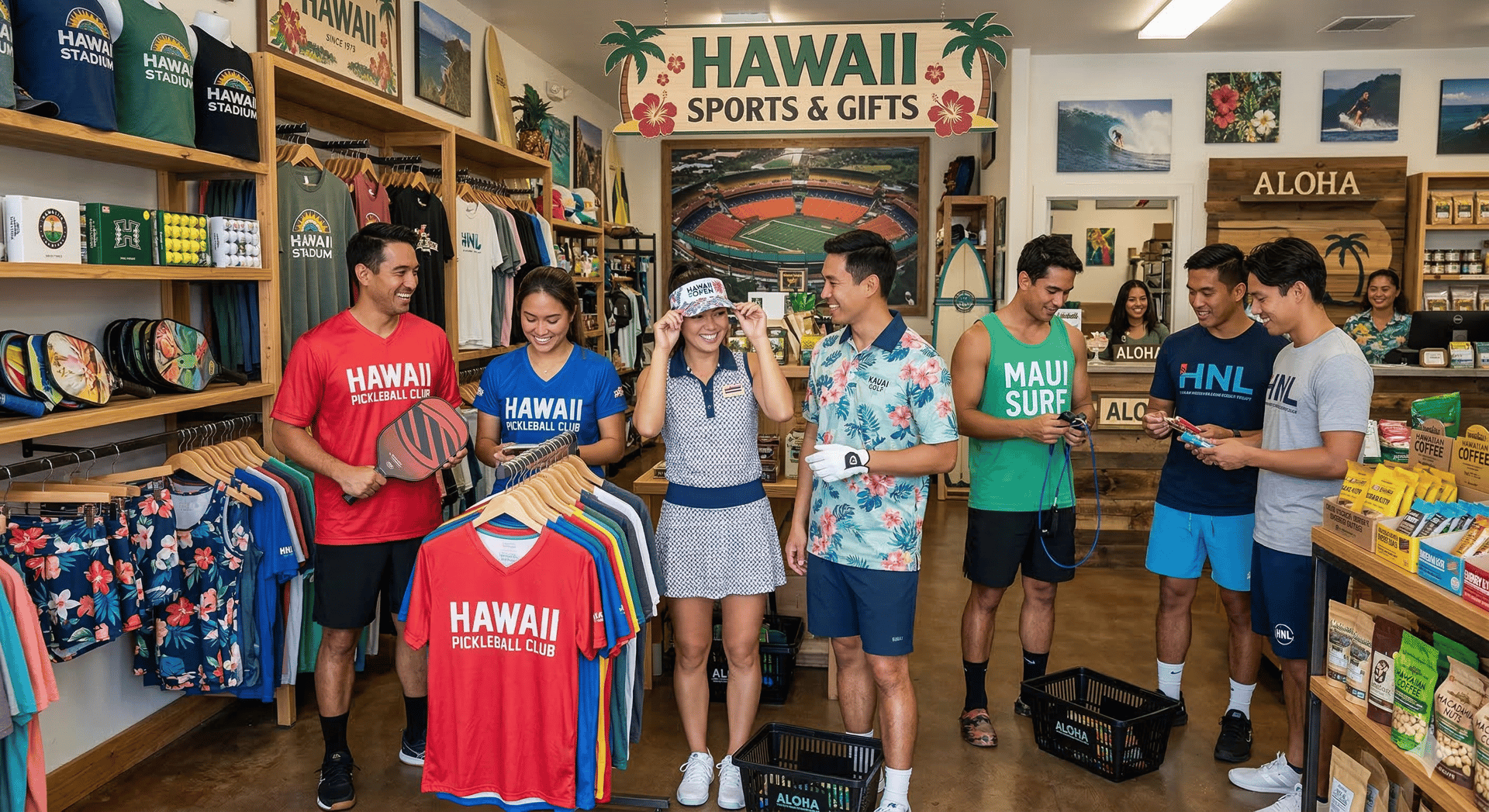
When we talk about sports tourism, your mind might jump to the Super Bowl or the Olympics. But lawmakers are actually looking at "small-scale" events that pack a punch. Think pickleball competitions, marathons, and golf tournaments.
The idea is to attract "high-spending, targeted groups" who don't just come for the sun, but for the scoreboard. According to DBEDT Director James Kunane Tokioka, these events create a "ripple effect" that supports our local retailers, restaurants, and hotels—especially during those "shoulder seasons" when the Waikīkī crowds usually thin out.
The New Home Team: Aloha Stadium & UH
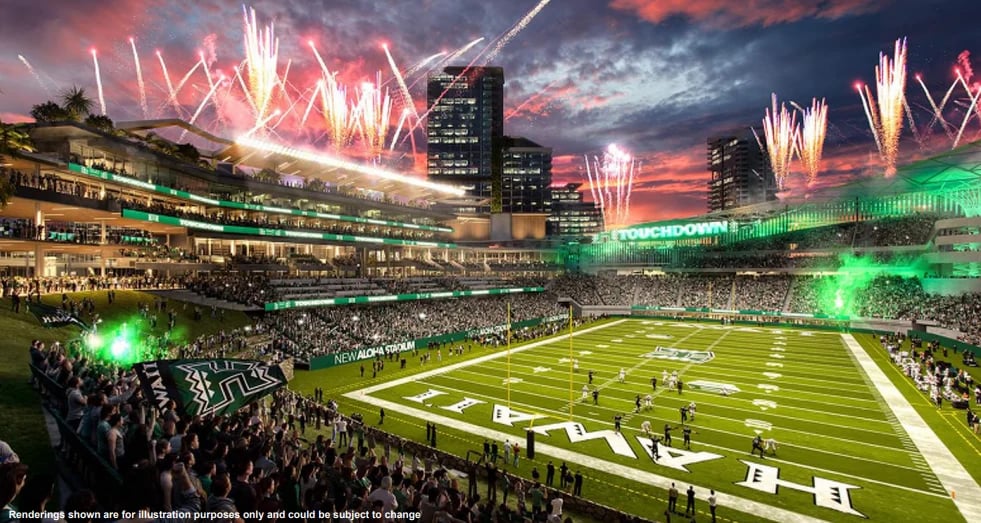
A huge chunk of this $350,000 "GPS" study focuses on the new Aloha Stadium, which is slated for a 22,500-seat capacity. Lawmakers want to know:
- Will the new design actually be "competitive" enough to snag recurring pro events?
- Can the stadium meaningfully support a long-term growth strategy, or is it just a shiny new landmark?
- How does the University of Hawaii at Manoa fit into the mix? The bill asks DBEDT to figure out how UH Athletics can help draw in more visitors through regular season games and showcase tournaments.
The Reality Check: Is it a "Win" for Local Residents?
Now, let’s talk story. We all love a good game, but we also love being able to get to the grocery store without sitting in two hours of "event traffic." Lawmakers are surprisingly candid about the potential "cons" of this expansion.
The study is required to evaluate:
- The "Noise & Traffic" Factor: Strategies to manage the chaos that usually accompanies large races and stadium events.
- Infrastructure Needs: Do we actually have the "capacity" to support pro sports, or are we just daydreaming?
- Youth Development: This is a big one. The bill calls for an assessment of how these investments will affect our local kids' access to training facilities and community programs.
Basically, the state is trying to figure out if we can host the party without ruining the neighborhood. As Dave Erdman of the Retail Merchants of Hawaii put it, the study is essentially a "business plan" to help us align our infrastructure with our community priorities.
The Deciding Factor
We won't have the final score for a while. If the bill passes, DBEDT has until December 31, 2027, to deliver their findings and recommendations.
Whether you’re a die-hard sports fan or just someone who wants to see the Hālawa area revitalized with new shops and parks, this "sports pivot" is going to change the face of O‘ahu. It’s an ambitious play—now we just have to see if we can execute it without any "unnecessary roughness" on the local lifestyle.