If you live on O‘ahu, or if you're looking to put down roots here, you quickly realize that the standard mainland business suit doesn't quite fit the vibe—or the weather. Here, we have our own uniform. Whether you're closing a real estate deal in a downtown Honolulu high-rise, grabbing a plate lunch in Kapolei, or heading to a pau hana in Kailua, the Aloha shirt is the ultimate equalizer. It’s professional, it’s casual, and it’s uniquely ours. But have you ever wondered how this colorful, breezy button-down became the ultimate symbol of Hawai‘i?
The Fabric of Our History
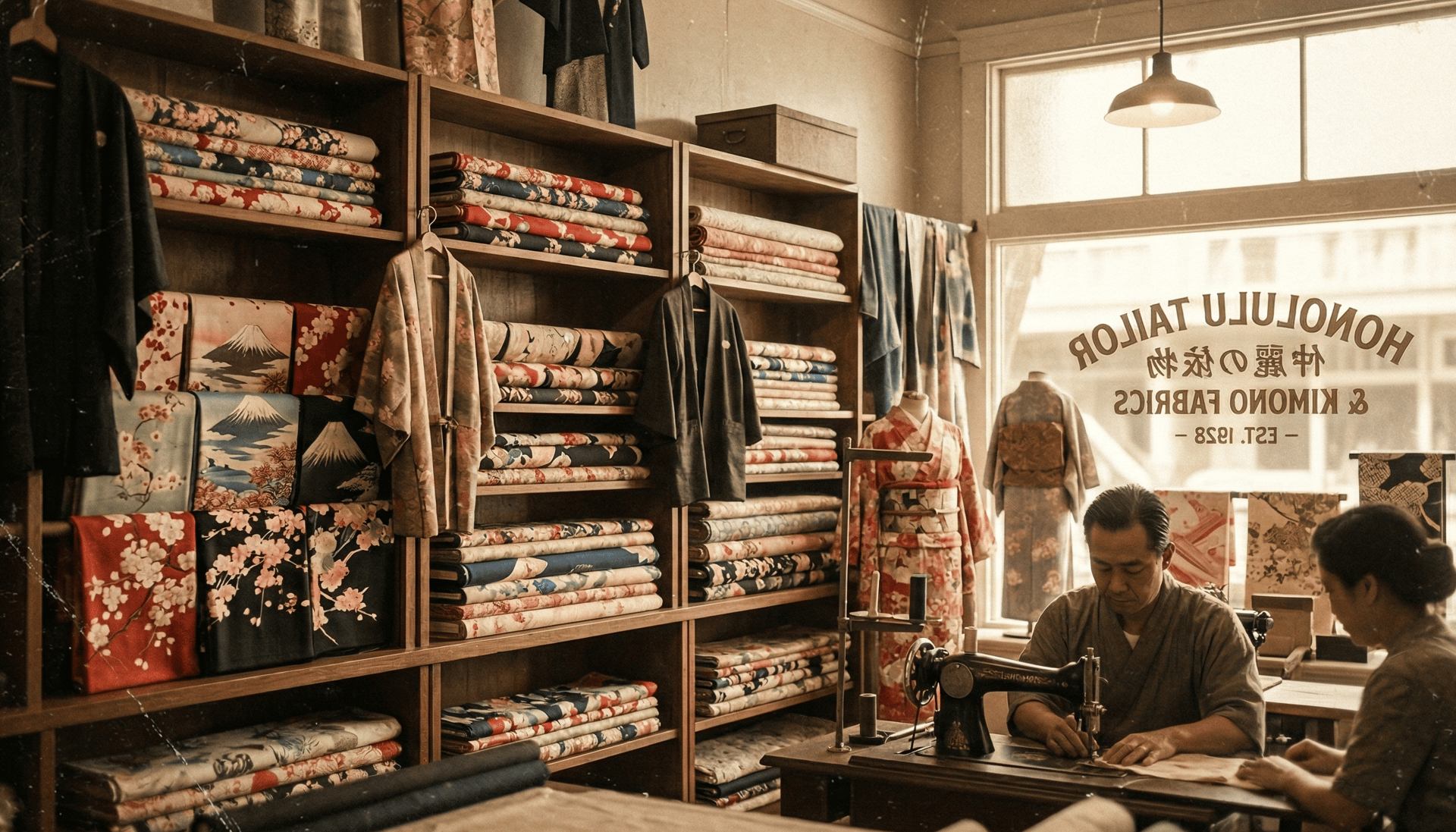
The origins of the Aloha shirt are a bit murky, but the story officially kicks off in the 1920s or '30s. Because of Hawai‘i's location between Asia and North America, the islands had a strong Japanese population and cultural influence. It is widely believed that local Japanese women first adopted kimono fabric to create these distinctive men's shirts.
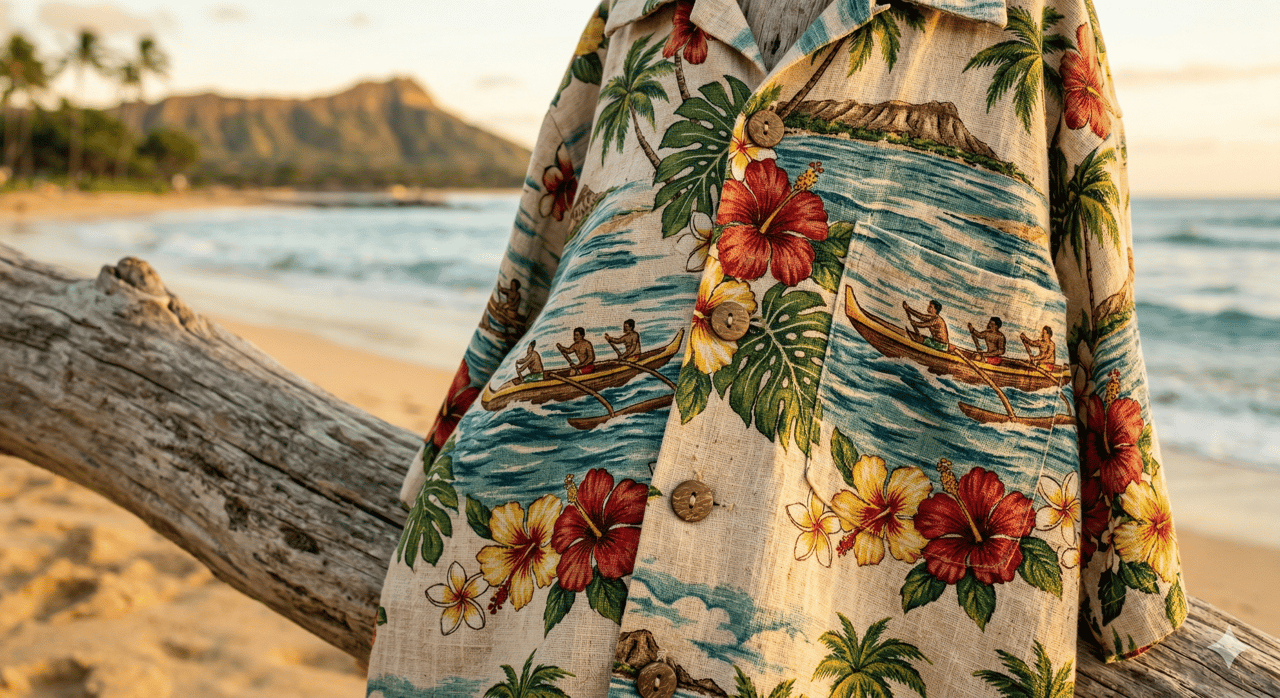
As for who actually invented it? That depends on who you ask in the local sartorial lore. Some historians point to Kōichirō Miyamoto, the owner of a Honolulu dry goods store known as "Musa-Shiya the Shirtmaker". Others attribute the creation to Ellery Chun, a Chinese merchant whose shirts gained massive popularity in the 1930s out of a Waikīkī shop called King-Smith Clothiers and Dry Goods. Whoever struck the first stitch, the earliest versions heavily featured Japanese patterns like cherry blossoms and Mt. Fuji, honoring the origins of the fabric.
The Sunny Antidote to the Great Depression
As the shirts caught on with tourists visiting the islands, they eventually made their way to the mainland in the mid-1930s. The timing couldn't have been more fascinating. America was deep in the Great Depression, an era riddled with economic hardship and anxiety. To cope with the stress, the culture leaned hard into hyper-masculinity—this was the era when bodybuilding skyrocketed in popularity, the mafia dominated the headlines, and Superman made his debut.
Ironically, the Aloha shirt was a decidedly feminine-inspired garment. Yet, men couldn't get enough of them. The shirts functioned as a bright, sunny antidote to the gloomy economic disposition of the country. If you could wear a comfortable, colorful shirt covered in palm trees, you looked like a carefree swell who didn't have to worry about the Depression or proving your masculinity. It also helped that massive celebrities like surfing pioneer Duke Kahanamoku and singer Bing Crosby were endorsing and wearing them. By 1940, the Aloha shirt had exploded into an $11 million annual business.
World War II and the Shift to Island Motifs
The bombing of Pearl Harbor in 1941 abruptly changed everything, shattering the mainland's illusion of Hawai‘i as just a quiet paradise. Like most American industries, local shirtmakers had to pivot to wartime production.
When the war ended and production resumed, the style of the shirts shifted. The pre-war Japanese designs fell out of fashion, replaced by the native Hawaiian motifs we recognize so easily today—hula dancers, local flora, and luaus. As servicemen returned home from the Pacific, they brought these shirts with them, pushing the style deeper into American pop culture. When Elvis Presley famously rocked a red floral shirt in 1961's Blue Hawaii, it cemented the Aloha shirt's iconic status. Soon after, the concept of "Aloha Fridays" was born, fundamentally changing the American workweek and solidifying the shirt as a wardrobe staple.
The Modern Uniform
Today, the Aloha shirt is still riding a wave of popularity. High-end fashion houses like Gucci are producing luxury versions, while heritage brands like Kahala—founded back in 1936—continue to dig into their vaults to reproduce vintage 1930s designs. Because so many producers make them, you can find one at just about any price point, keeping the style accessible to everyone.
Living on O‘ahu means embracing a lifestyle where community, history, and a laid-back attitude blend perfectly. When you're house hunting out here, you aren't just looking for a specific floor plan or a shorter commute on the H-1; you're looking for the kind of life where you can slip on an Aloha shirt and feel right at home. It’s a wearable piece of our history, and honestly, a great reminder to bring a little color and vibrancy into our daily lives.