The Changing Face of the West Side
For decades, we’ve heard the promises about Kapolei and the ‘Ewa plain becoming O‘ahu’s official "Second City." For a long time, it felt like just a concept—a lot of houses, a lot of traffic, and not much else. But if you’ve driven down through West O‘ahu lately, you know the reality on the ground is shifting fast. The skyline is changing, the Skyline rail is running, and the infrastructure is finally catching up to the population boom.
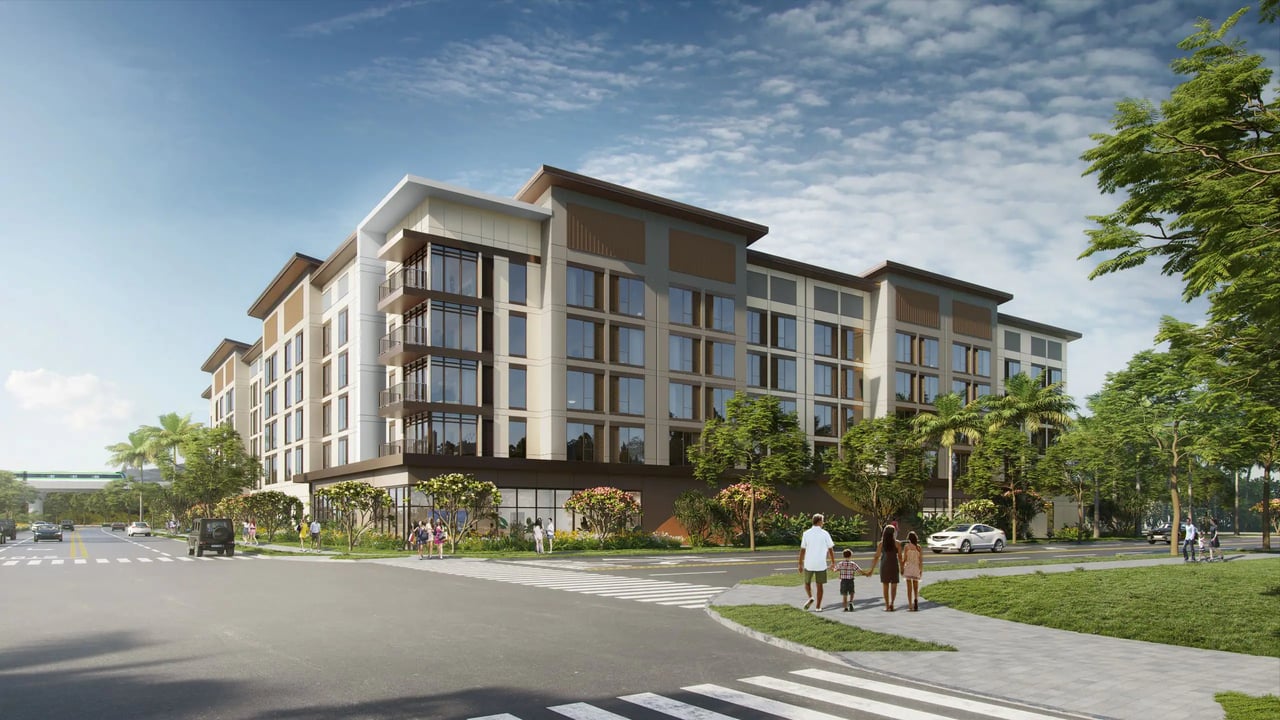
The latest milestone in this ongoing evolution? On May 21, the dual-branded Hyatt Place and Hyatt House officially opened its doors in the Ho‘opili master-planned community in ‘Ewa Beach.
As ‘Ewa Beach’s very first hotel, this development is turning heads. But what does a major hospitality brand planting its flag in the middle of a residential hub actually mean for those of us living and working in Hawai‘i?
Two Concepts, One Roof
If you aren't familiar with the "dual-brand" concept, it essentially merges two different hotel experiences into a single property. The Hyatt House side is designed for extended stays, featuring apartment-style rooms. Meanwhile, the Hyatt Place side caters to more traditional, shorter hotel visits.
Currently, standard rates are hovering around $248 per night for Hyatt House and $240 per night for Hyatt Place, though both brands have been offering grand opening special rates.
Operating two brands under one roof requires a highly efficient approach. General Manager Ihab Kherati, who also manages the Hyatt Place Waikīkī Beach, noted that their team members are cross-trained to seamlessly serve guests of both brands while keeping the distinct service standards of each intact. From a business perspective, this dual-brand model allows the hotel to diversify its revenue streams, offering flexibility in pricing and inventory to optimize occupancy.
Who is Checking In?
When a hotel opens in Waikīkī, the target demographic is obvious: tourists. But out in ‘Ewa Beach, the strategy is intentionally diversified.
According to Kherati, the team saw a clear opportunity to open the first hotel in ‘Ewa Beach due to the rapid growth across West O‘ahu. The west side is one of the fastest-growing regions on the island, serving as a hub with expanding business development, infrastructure, and residential growth.
Because of this location, the hotel is actively targeting a balanced mix of guests rather than relying solely on traditional vacationers. This includes business travelers who are working in Kapolei and the surrounding industrial parks. It is also a massive benefit for military families, particularly because of the property's proximity to the Marine Corps Base Hawaii Pu‘uloa Range, which is located just 10 minutes away.
For kama‘āina looking for a weekend staycation, visiting families, and military members, this new Ho‘opili location serves as a highly convenient alternative to the long, traffic-heavy commute in and out of Waikīkī.
The Community and Real Estate Impact
Let’s look at this through a local lens. When a new major development pops up on the West Side, the immediate kama‘āina reaction is usually a groan about traffic. Yes, more rooms mean more people, which inevitably means more cars navigating the ‘Ewa plain.
However, there is a distinct upside for local residents. If you live in ‘Ewa Beach, Kapolei, or Makakilo, having a local hotel means you finally have a quality spot to put up visiting aunties, uncles, and mainland friends. You no longer have to force them to rent a car and drive an hour from town just to attend a weekend baby lū‘au or graduation party.
From a real estate perspective, commercial and hospitality anchors like this fundamentally change the identity of a neighborhood. Ho‘opili is continuing its evolution from a sprawling construction site into a self-sustaining, mixed-use ecosystem. Introducing a hotel to this market brings lodging closer to recreational destinations and business centers, which supports both the local economy and tourism.
When business centers and hospitality amenities move closer to residential zones, it generally bolsters long-term property desirability. It signals to future homebuyers and investors that the area has mature infrastructure and solid economic viability. You aren't just buying a house in a subdivision; you're buying into a functioning city.
The west side is undeniably growing up. This new Hyatt is just one more indicator that the center of gravity on O‘ahu is steadily expanding westward, bringing new conveniences—and new growing pains—along for the ride.