
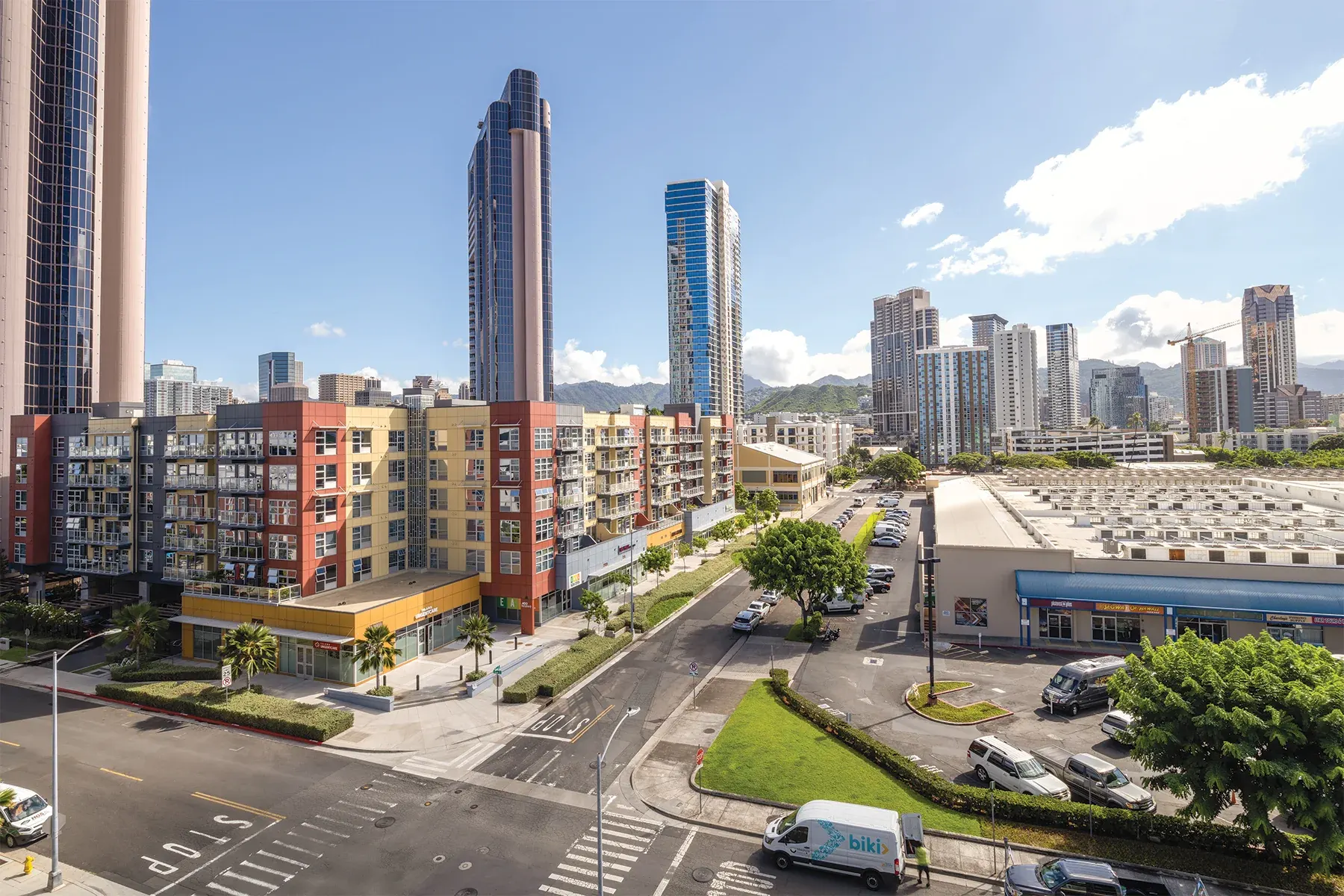
Oʻahu Real Estate Wealth Trends – Kakaʻako Luxury Condos | Local Housing Insights
Why local homeowners are swapping East Honolulu family estates for low-maintenance urban high-rises—and what it means for the island's housing ladder.
Journal
Market notes and plain-language guides from the people working these files. No hot takes, no urgency, and no advice we would not give a friend.
Why local homeowners are swapping East Honolulu family estates for low-maintenance urban high-rises—and what it means for the island's housing ladder.
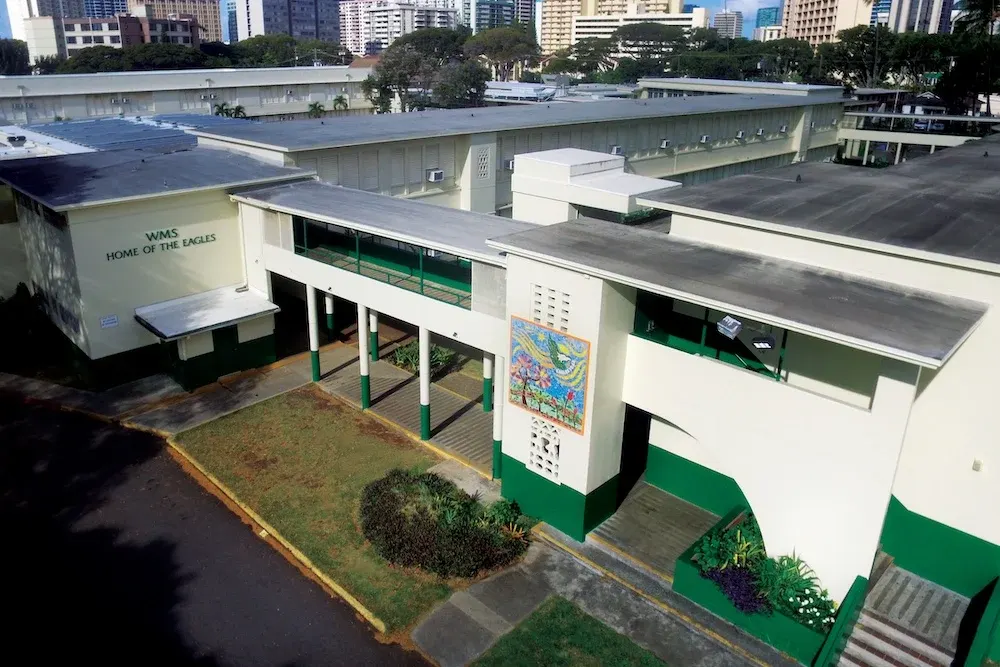
Hawaiʻi students are regaining ground faster than most of the country. Here is what the latest numbers mean—and do not mean—when schools are part of an Oʻahu home search.
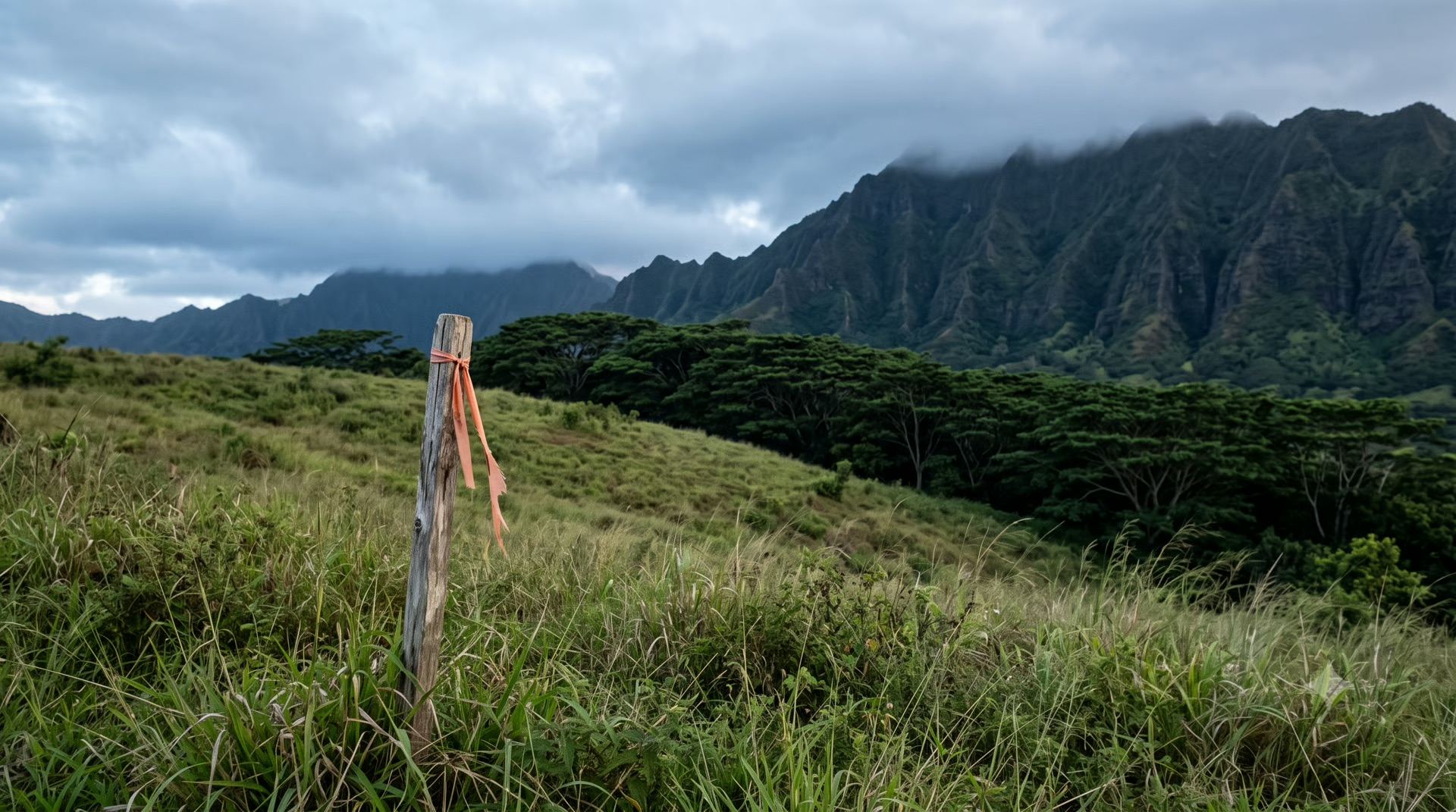
After two years of due diligence, ten acres above Kalāheo High School are right back where they started.
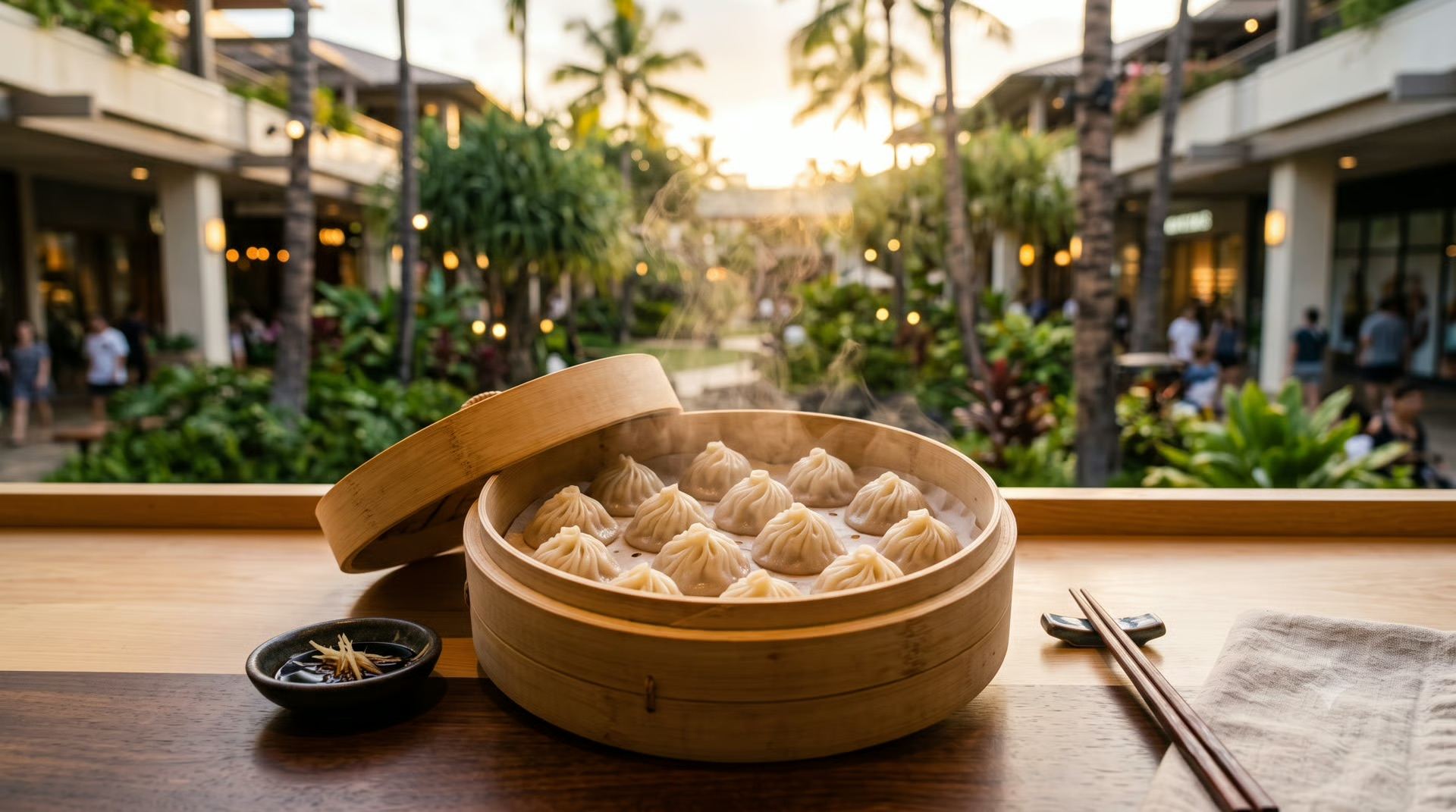
Soup dumplings are the news. What they say about Oʻahu is the interesting part.
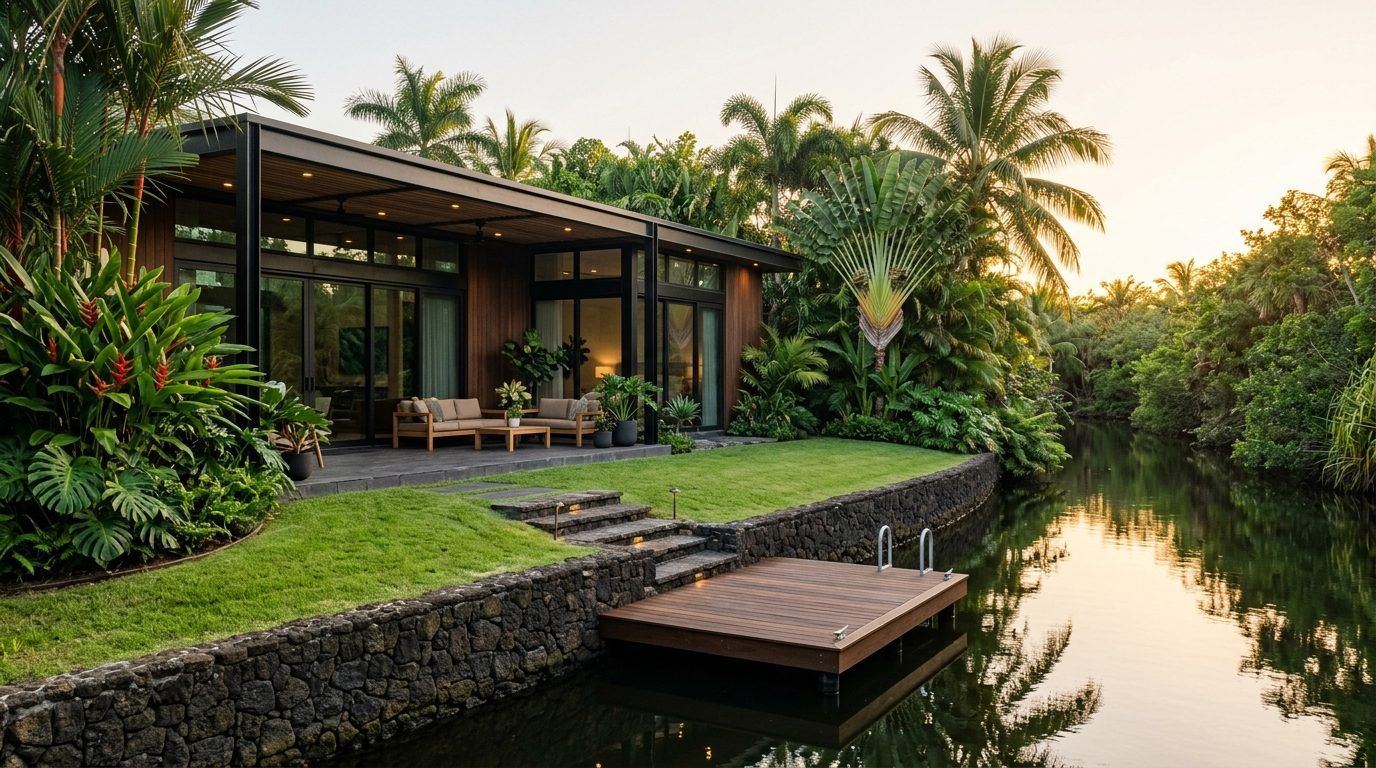
Marina-front, hillside, and golf-course homes are three different markets in one ZIP code. How to tell which one fits you.
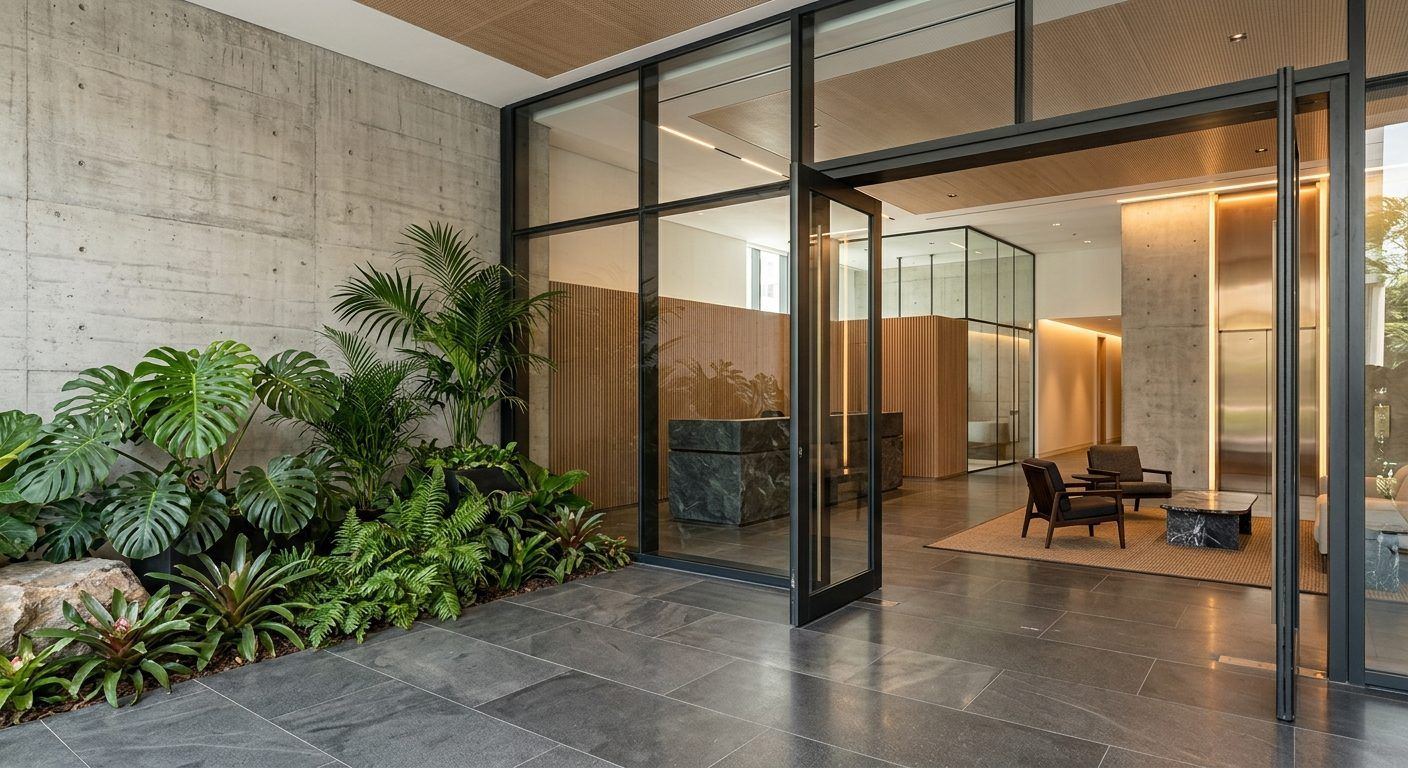
Price, upkeep, taxes, and daily life all pull in different directions. A straight comparison so you choose the one that fits how you actually live.
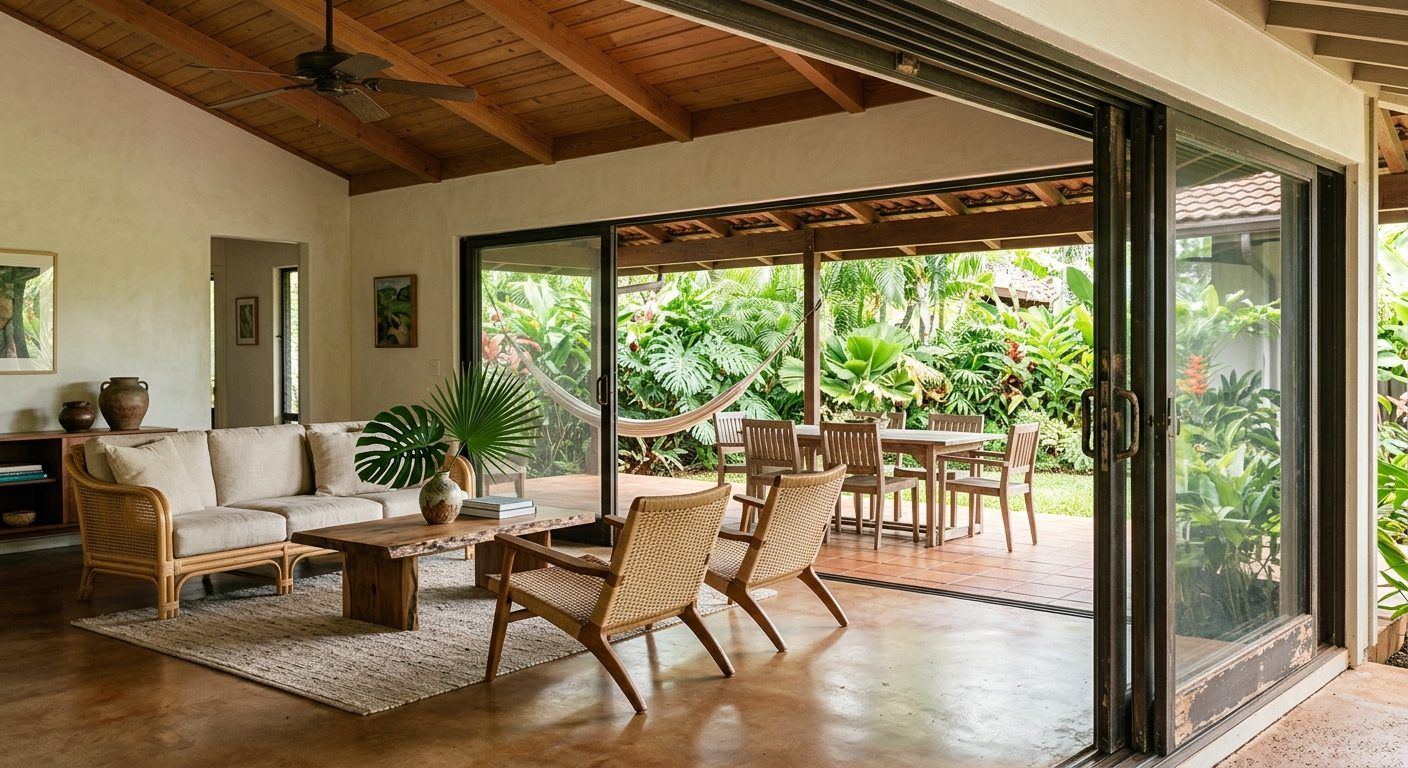
Title and authority first, then probate or trust, repairs, timelines, and closing. How an inherited home on this side of the island actually gets sold.
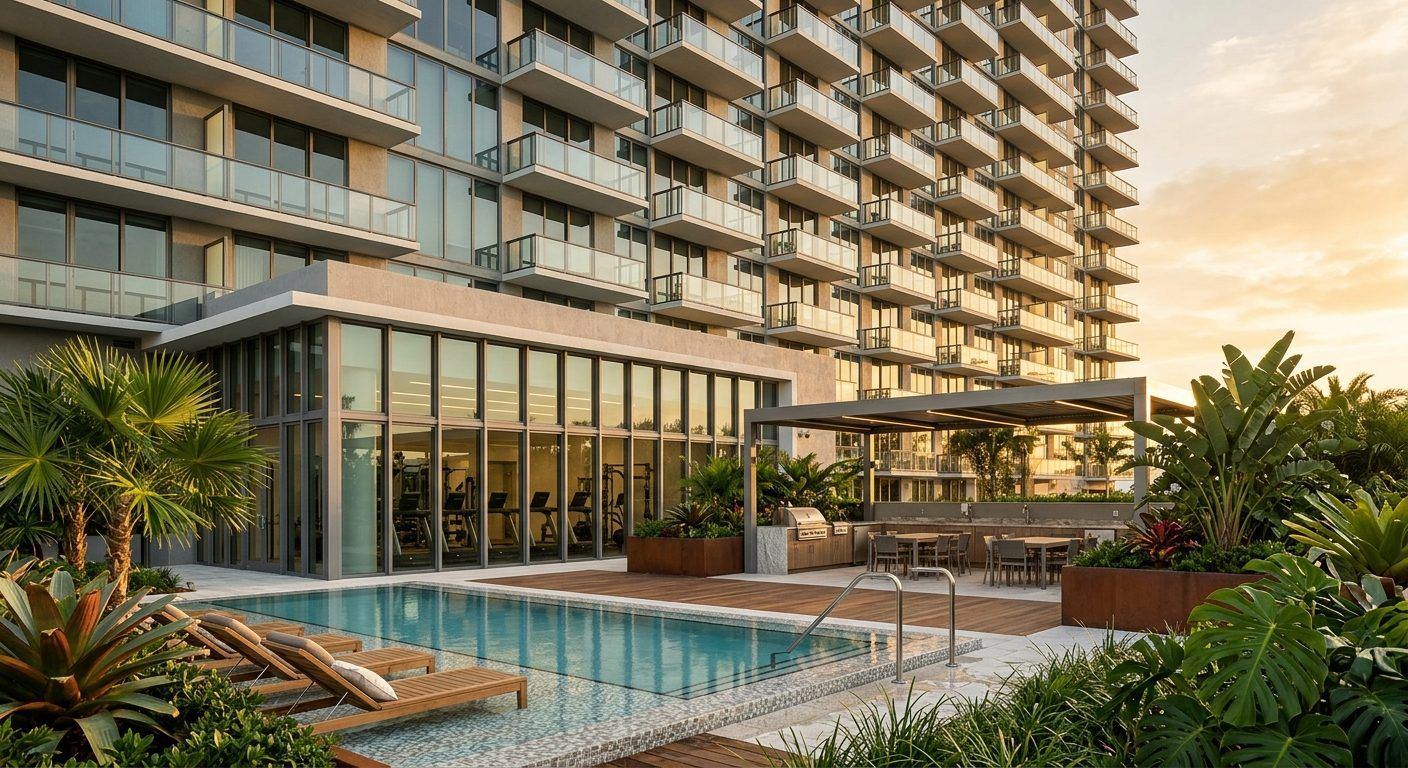
Kakaʻako is not one condo market. Amenities, fees, parking, and future neighborhood change, submarket by submarket.
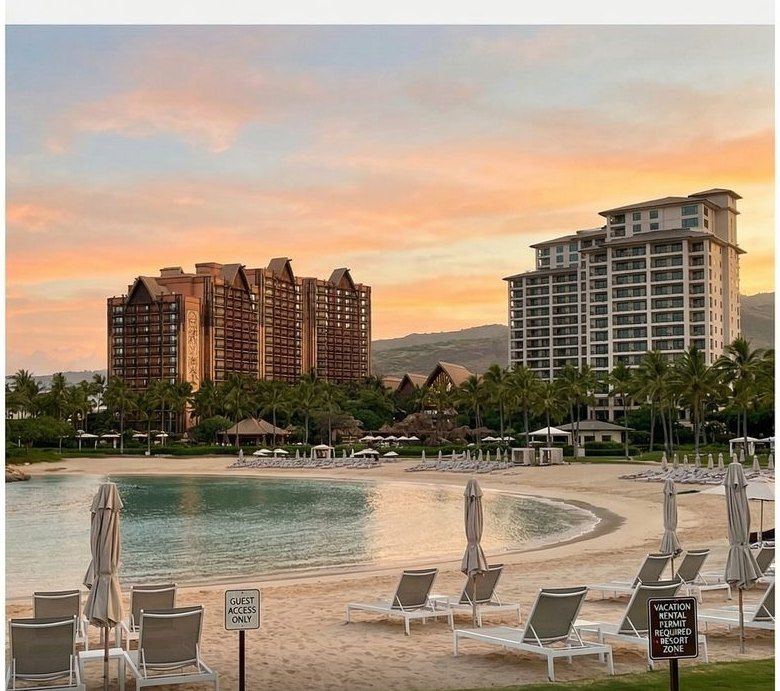
The 90-day minimum, the HILSTRA injunction, and what Bill 64 changed about registration, fees, and enforcement in Honolulu County.
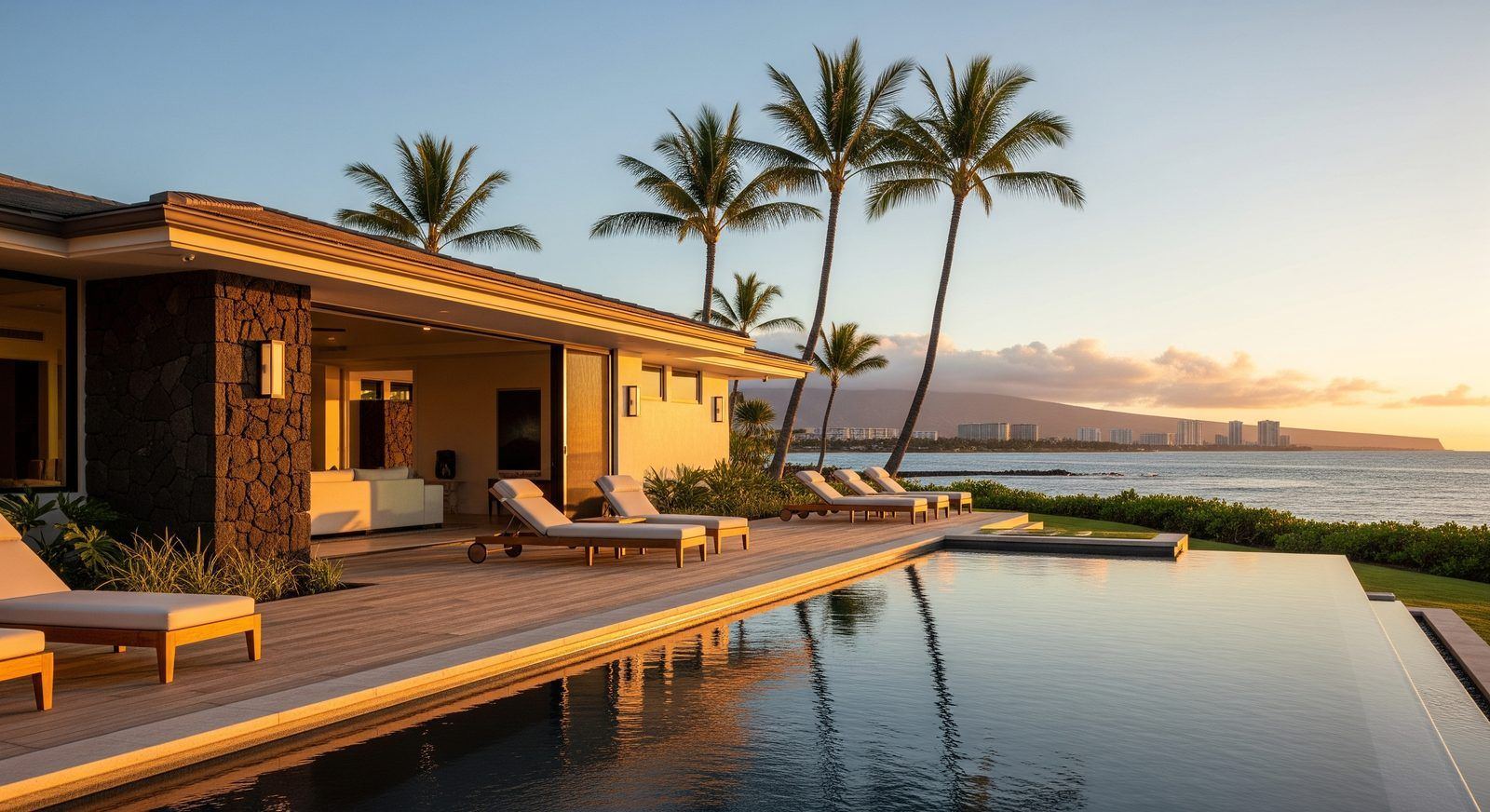
Housing, commute, amenities, and the coast — how the two West Oʻahu options actually differ once you are living in them.

The costs and steps most first-time buyers do not see coming, and how to plan for them before you start touring.

The personal, financial, and market signals that say the timing is right — and the ones that say wait.
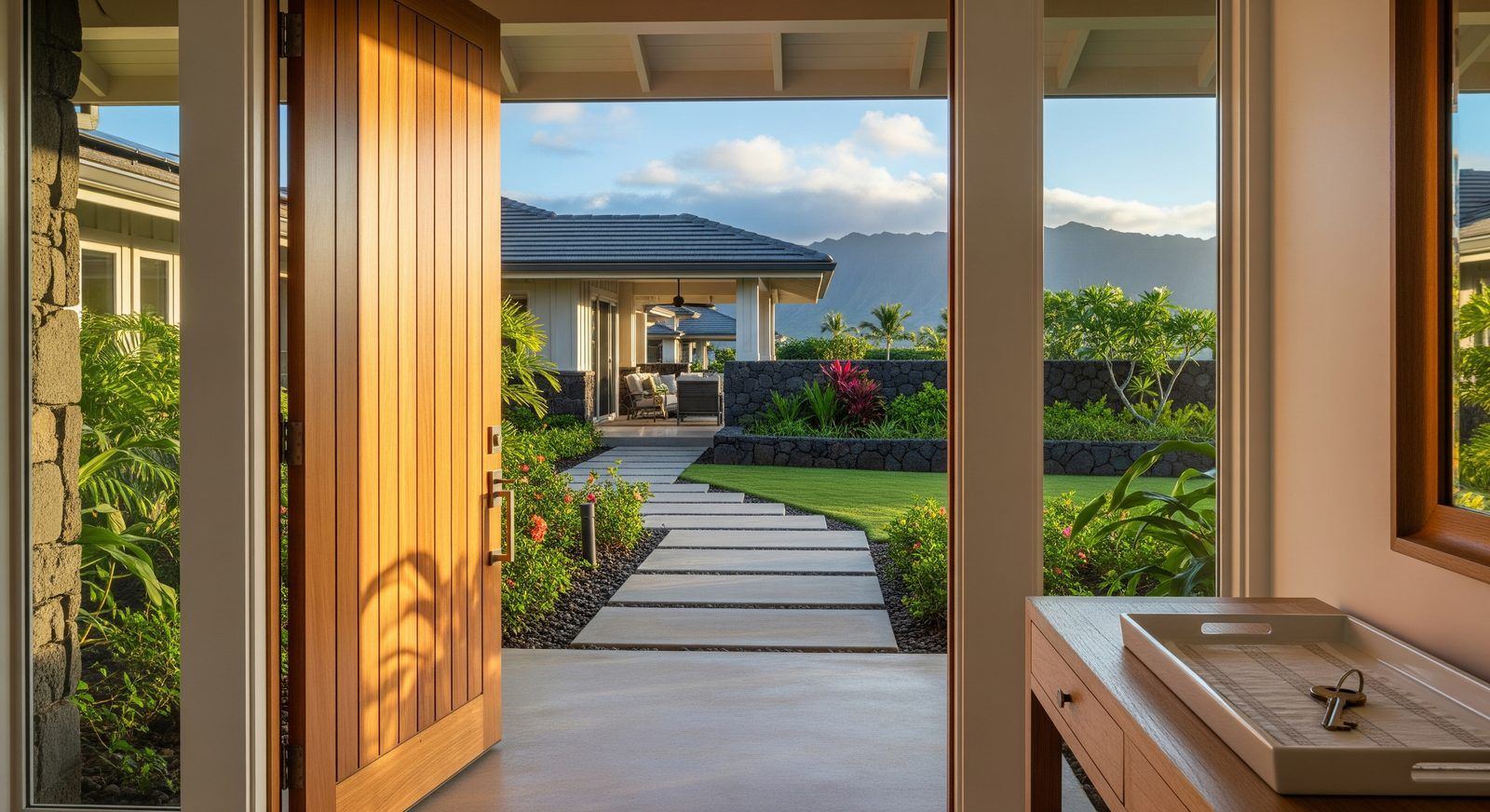
Buyer closing costs here usually land between 2% and 5% of the price. Line-item examples, who customarily pays what, and how to shrink your cash to close.
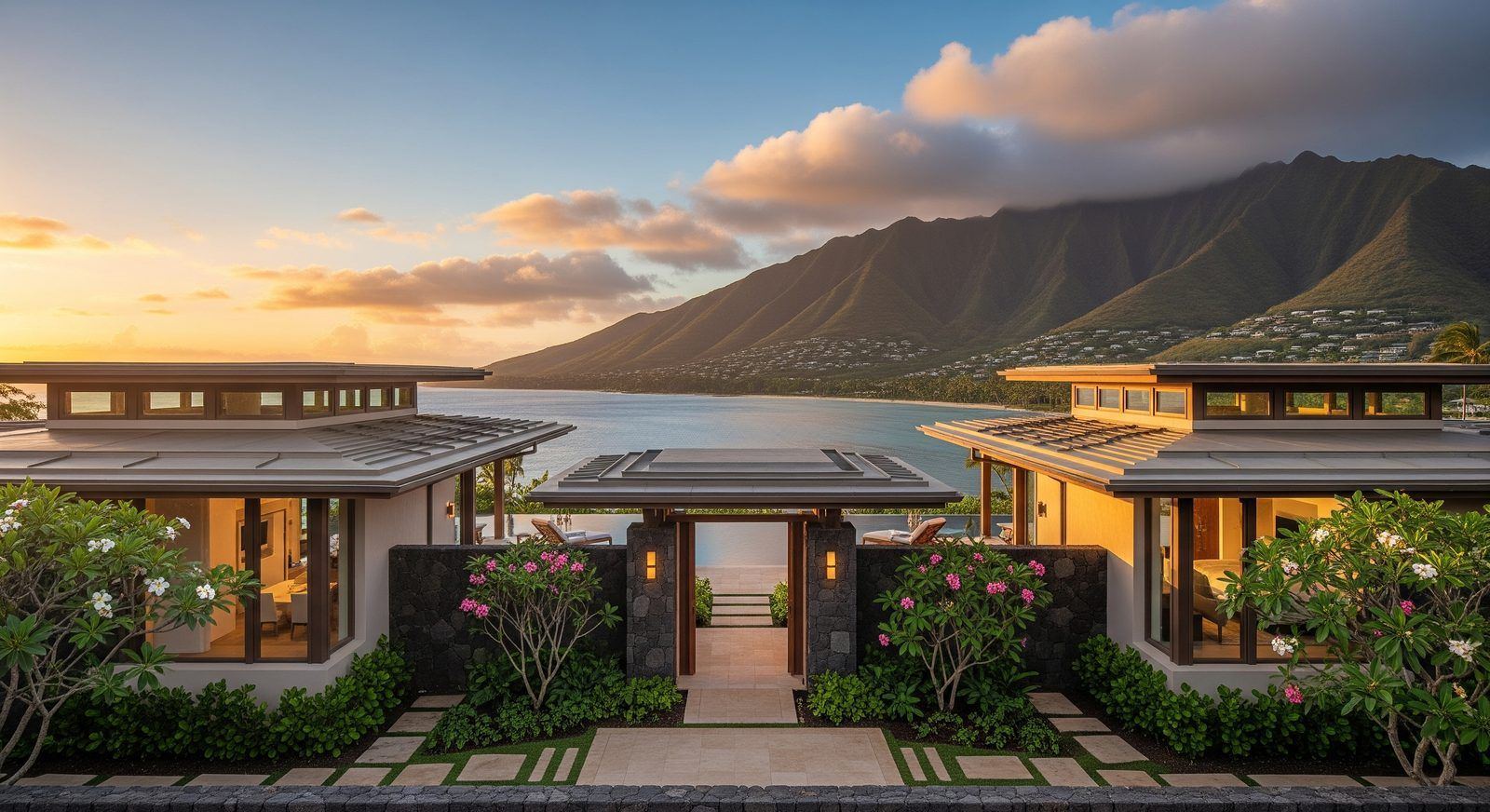
Condominium Property Regimes are common on Oʻahu and rare almost everywhere else. What you actually own, what you share, how lenders treat one, and the red flags.
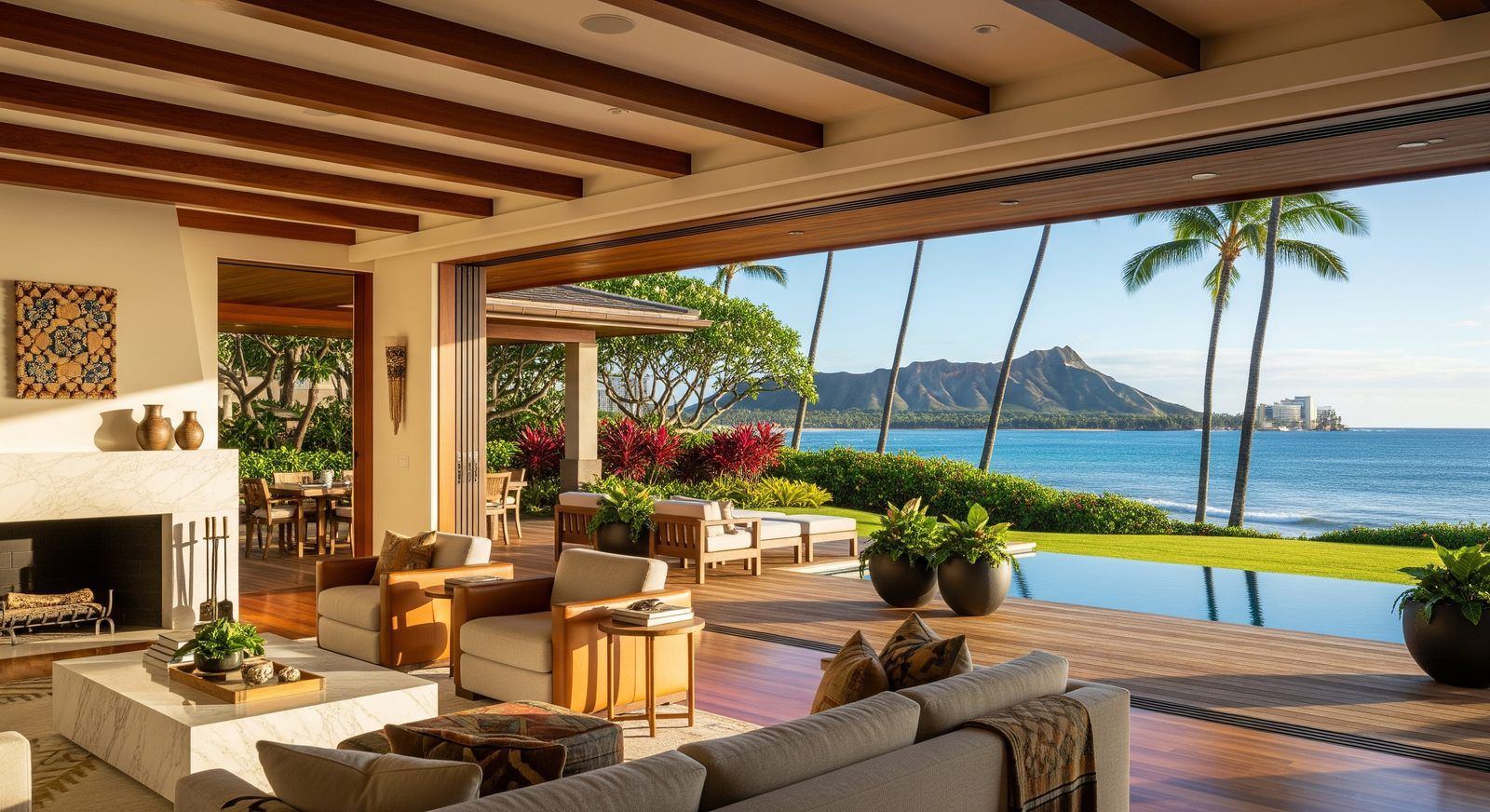
If a Honolulu price looks too good for the building, the reason is often the land. How financing, cost, and resale change when you own the home but lease the ground.
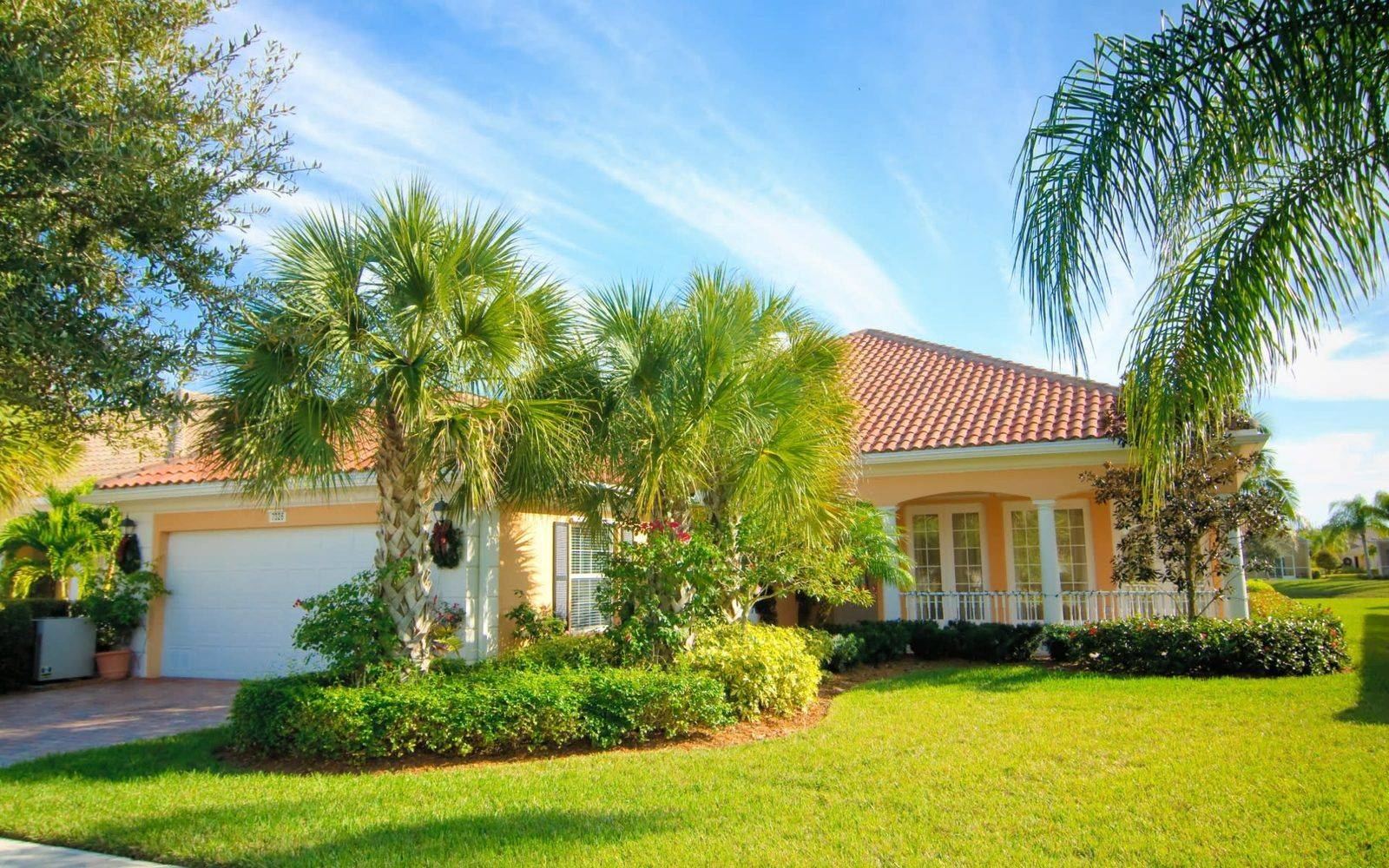
What the VA loan actually does, who qualifies, how the process runs, and the other financing options worth comparing it against.
Newsletter
Market notes, new listings, and what is actually happening on the island. One email, no churn.
Delivered through Living Hawaiʻi. Unsubscribe any time.
Questions
If something here applies to your situation, ask us about it directly.